
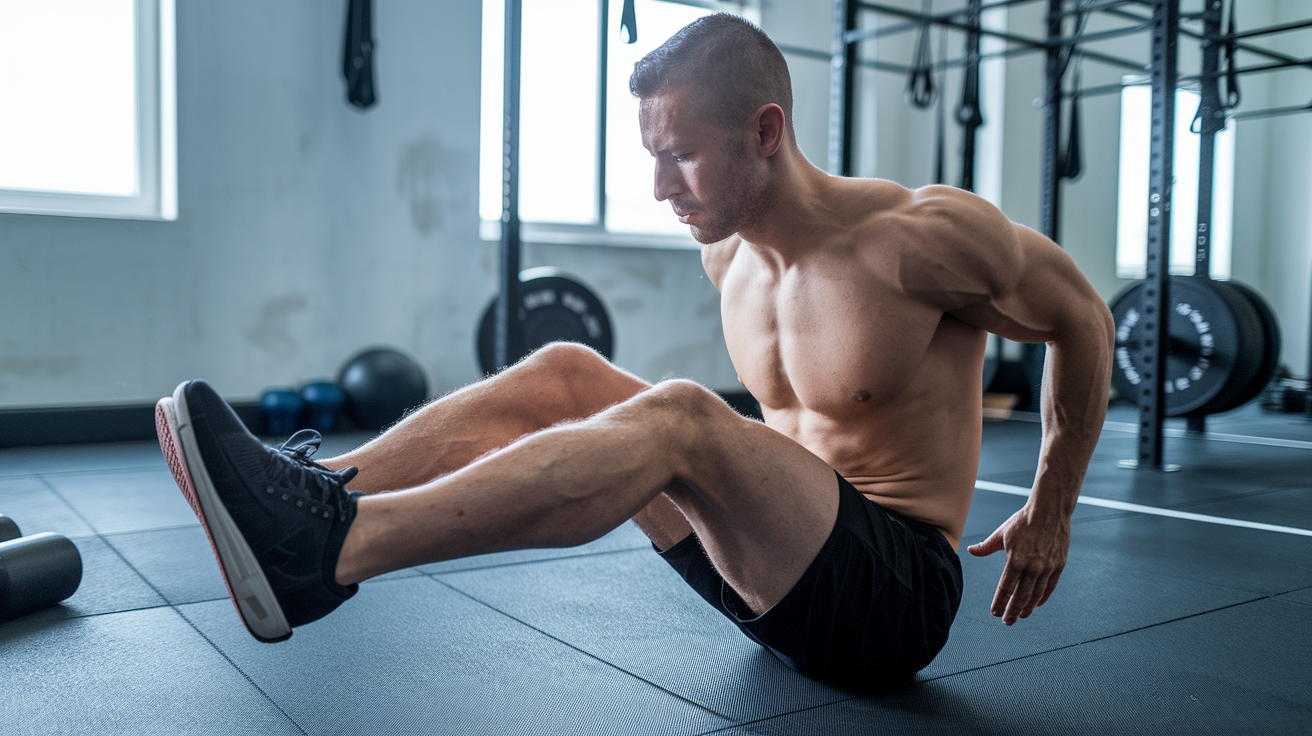

Think you can’t hit depth because you’re weak? Think again — your hips might be the limit.
This quick 10 to 15 minute hip routine targets the exact moves that let your femurs drop and your pelvis tilt safely.
Do it before lifting or on rest days.
Each drill trains a clear hip function so you get real, usable range — not just a stretch you forget.
Stick to the order and frequency suggested, and you’ll see deeper squats and cleaner deadlifts without sacrificing technique.
Quick Hip Mobility Routine for Deeper Squats and Deadlifts
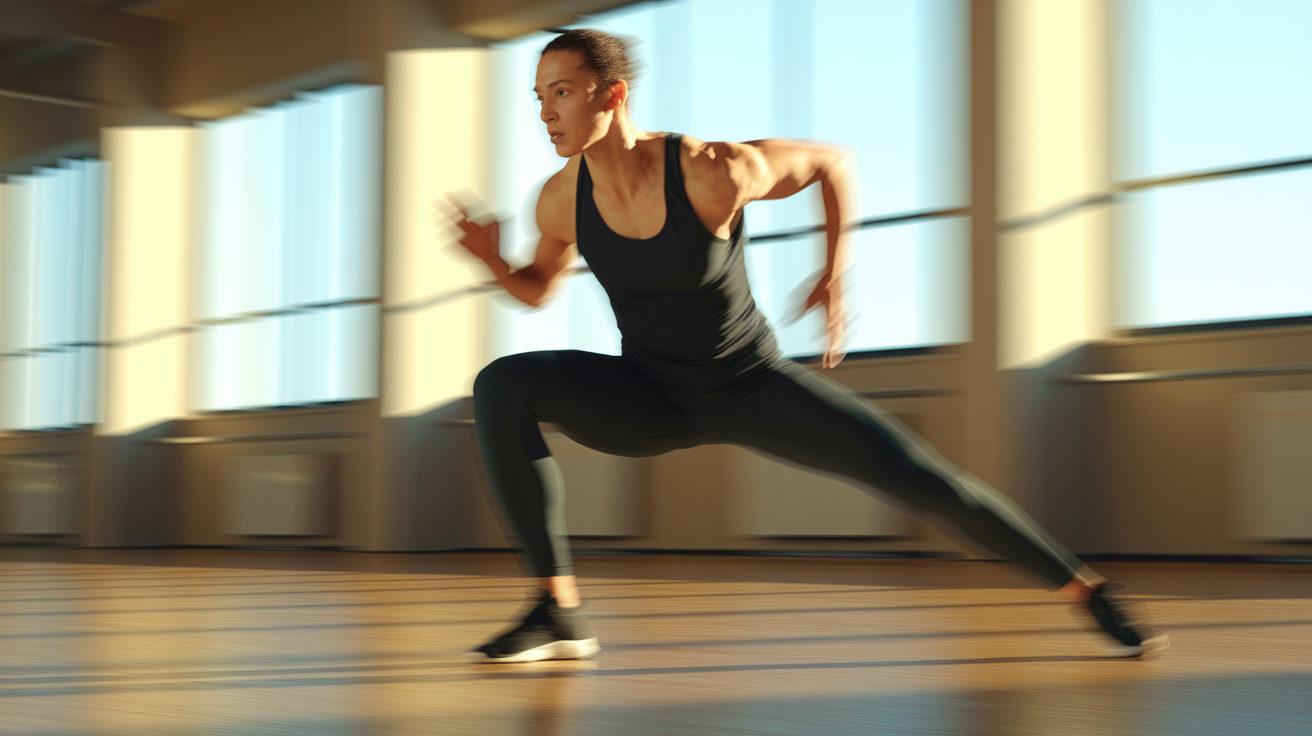
This is a follow-along sequence you can do before lifting or on rest days to unlock your hip range and hit better squat and deadlift positions. Each step targets a specific hip function that matters for depth, and the whole routine’s built for consistency, not complexity.
The routine (follow in order):
- Hip CARs (Controlled Articular Rotations) – 4 to 6 slow reps per side, moving the hip through its full range in a circle without letting your torso compensate.
- 90/90 Hip Switches – 8 to 12 controlled switches total, spending 2 to 3 seconds on each position to feel the rotation change.
- Banded Hip Joint Distraction – 60 seconds per side, using a light band to gently pull the hip forward while you drive it backward into a half kneeling lunge position.
- Prying Goblet Squats – 6 to 10 reps with a 2 to 5 second hold in the bottom position, using elbows to gently press knees out.
- Cossack Squats – 6 to 10 reps per side, slow and controlled, emphasizing the shift from one hip to the other.
- Couch Stretch – 30 to 60 seconds per side, tilting the pelvis slightly posterior to deepen the front hip stretch without pinching.
- Glute Bridges with Band – 10 to 12 reps with a mini band around your thighs, squeezing glutes and holding the top position for 1 to 2 seconds.
This sequence takes 10 to 15 minutes. Run through it daily if you’re working to fix a clear depth limitation, or use it three to four times per week once you’ve built some range and want to maintain it. On lifting days, trim it to steps 1, 2, 4, and 7 for a faster five minute warm-up that still primes your hips for loaded squats and deadlifts.
Key Hip Functions That Influence Depth
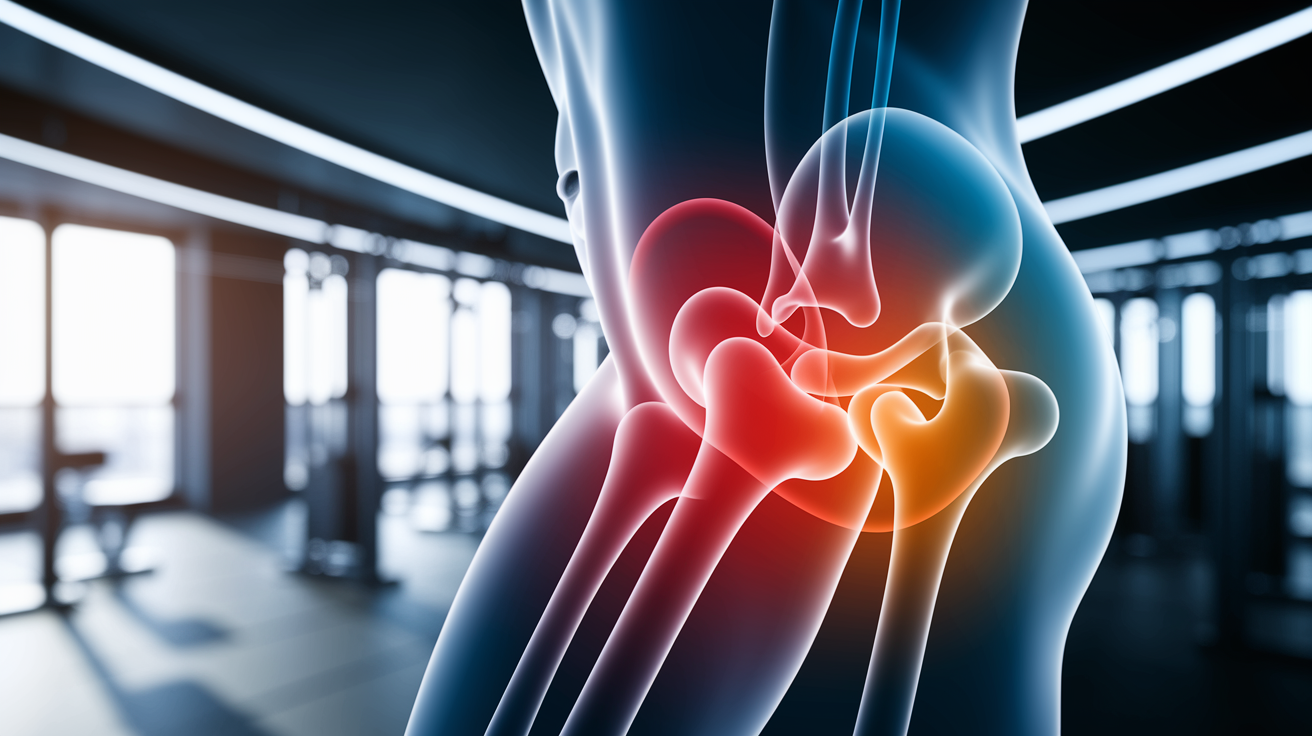
Hip flexion is what lets your torso drop between your thighs. When you squat, your femur moves toward your ribcage, and that motion requires both the hip capsule to allow the movement and the surrounding muscles to stay out of the way. Limited hip flexion shows up as a squat that feels like you hit a wall an inch above where you want to be, forcing your torso to lean forward or your heels to lift off the floor. Better hip flexion gives you vertical torso options and lets your glutes sit lower without your lumbar spine rounding to make up the difference.
External rotation and abduction work together to let your knees track outward as you descend. When your hip can externally rotate, your femur can angle slightly outward, creating space in the front of the joint and letting your pelvis drop deeper without bone on bone contact. If external rotation’s restricted, your knees tend to dive inward (valgus collapse) as you approach depth, which reduces stability and puts unwanted stress on the knee. Actively pushing your knees out during a squat isn’t just a strength cue. It’s a test of your hip’s ability to rotate and control that rotation under load.
Hip extension matters less for squat depth and more for deadlift setup and lockout power. A tight anterior hip capsule or short hip flexors limit how far your pelvis can tilt backward, which restricts the hip hinge and forces your lower back to do more work during the pull. At lockout, strong hip extension lets you finish the rep with glute squeeze rather than lumbar hyperextension. Stretching the front of your hip and strengthening your glutes directly improves deadlift positioning and reduces the risk of compensatory low back pain.
Identifying Your Mobility Restrictions
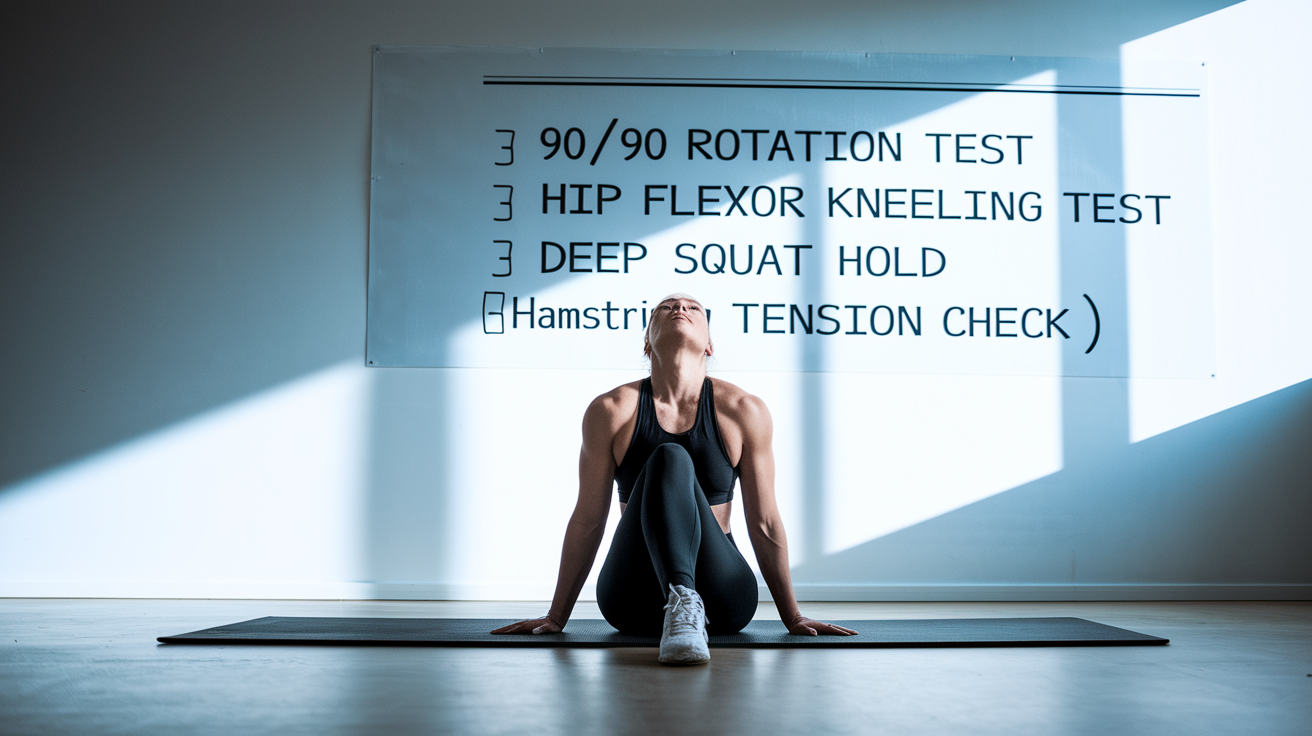
Testing your hips before you program mobility work helps you focus on the exact limitation slowing you down. General hip tightness isn’t a useful diagnosis. You need to know whether flexion, rotation, or extension is the real problem.
Four simple mobility tests:
- 90/90 Rotation Test – Sit on the floor in a 90/90 position (one knee forward, one back, both bent 90 degrees) and lean your chest toward the front knee. If you can’t get your torso upright or your back knee lifts off the floor, external or internal rotation is limited.
- Hip Flexor Kneeling Test – Kneel on one knee with the other foot forward, then drive your hips forward and squeeze the glute of the kneeling leg. If you feel a strong pull in the front of your hip or can’t keep your torso vertical, your hip flexors are short.
- Deep Squat Hold – Drop into the bottom of a bodyweight squat and hold for 30 seconds. If your heels lift, your torso folds forward excessively, or your lower back rounds, you lack the combined flexion, rotation, and ankle mobility needed for depth.
- Hamstring Tension Check – Set up for a deadlift and feel for tension in your hamstrings before you pull. If you feel nothing in the back of your legs, your setup’s too upright and you’re not loading your posterior chain properly.
If any test shows clear tightness or compensation, that movement becomes your first priority. For example, if the 90/90 test reveals poor internal rotation on one side, add extra sets of 90/90 switches and hip CARs to that hip. If the kneeling test shows restricted hip extension, program the couch stretch and glute activation drills more frequently. Progress happens faster when you match the drill to the specific restriction rather than doing everything equally.
Progressions for Improving Hip Mobility Over Time
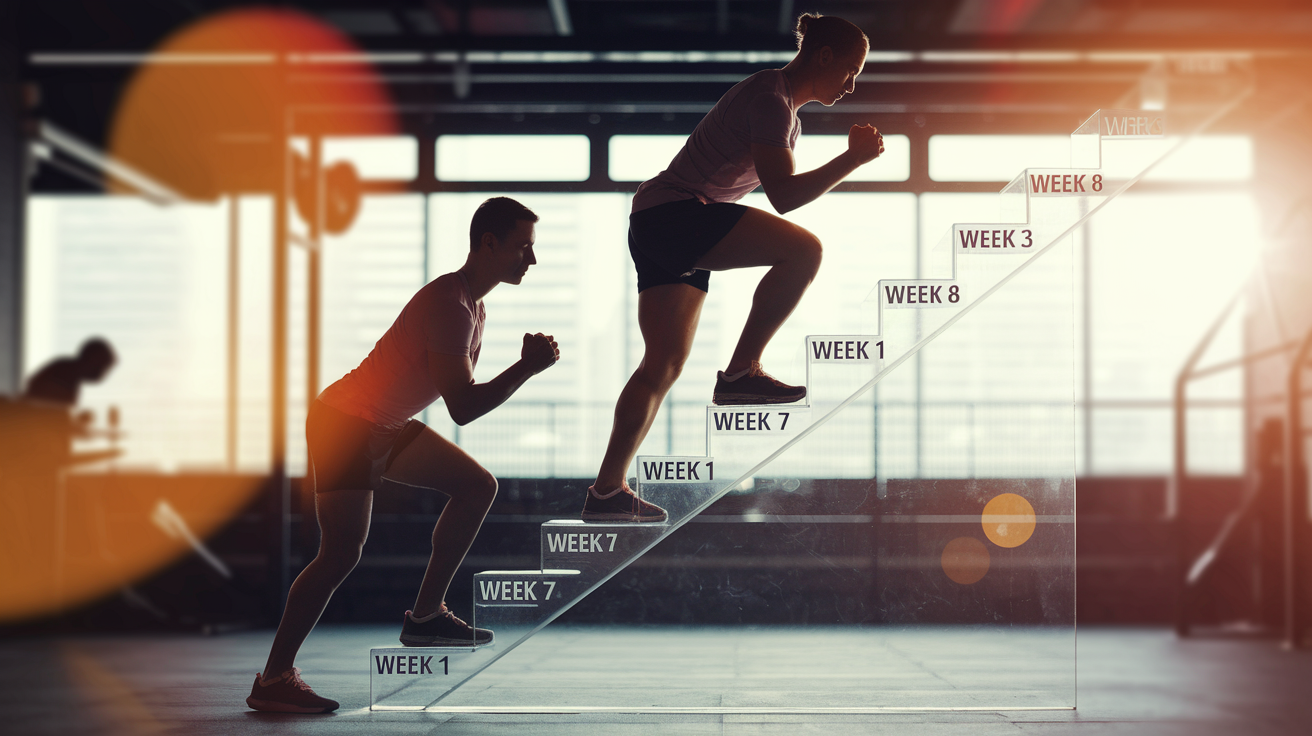
Mobility improves when you apply the same progressive overload principles you use for strength: increase difficulty gradually by adding load, time, range, or complexity. Early stage mobility work focuses on getting pain free control through the available range, so you might start with bodyweight goblet squat holds for 10 to 15 seconds and slow hip CARs. As control improves, you extend hold times to 30 to 60 seconds, add light resistance (a kettlebell or band), or work deeper into end range by lowering the surface height under your heels or increasing the stretch tension.
Weekly progression might look like this: Week 1, perform all drills with bodyweight or light support, holding stretches for 20 seconds and movement drills for 6 reps per side. Week 2, increase stretch holds to 30 seconds and movement reps to 8 to 10. Week 3, add a light load to goblet squats or Cossacks and increase CARs to two sets. Week 4, perform end range isometrics—hold the bottom of a goblet squat and actively push your knees out against resistance for 5 to 10 seconds, then relax and sink deeper. Weeks 5 to 8, continue adding load, hold duration, or total sets while monitoring whether your squat and deadlift depth measurably improves in your working sets.
You’re ready to move to harder variations when the current drill feels controlled and you can hit the target range without compensating through your lower back or shifting your weight forward. Once you can hold a bodyweight deep squat for 60 seconds with a vertical torso and flat feet, try the same hold with a light goblet load or elevate your front foot in a split squat to challenge one hip at a time.
Form Cues for Getting Better Squat and Deadlift Depth
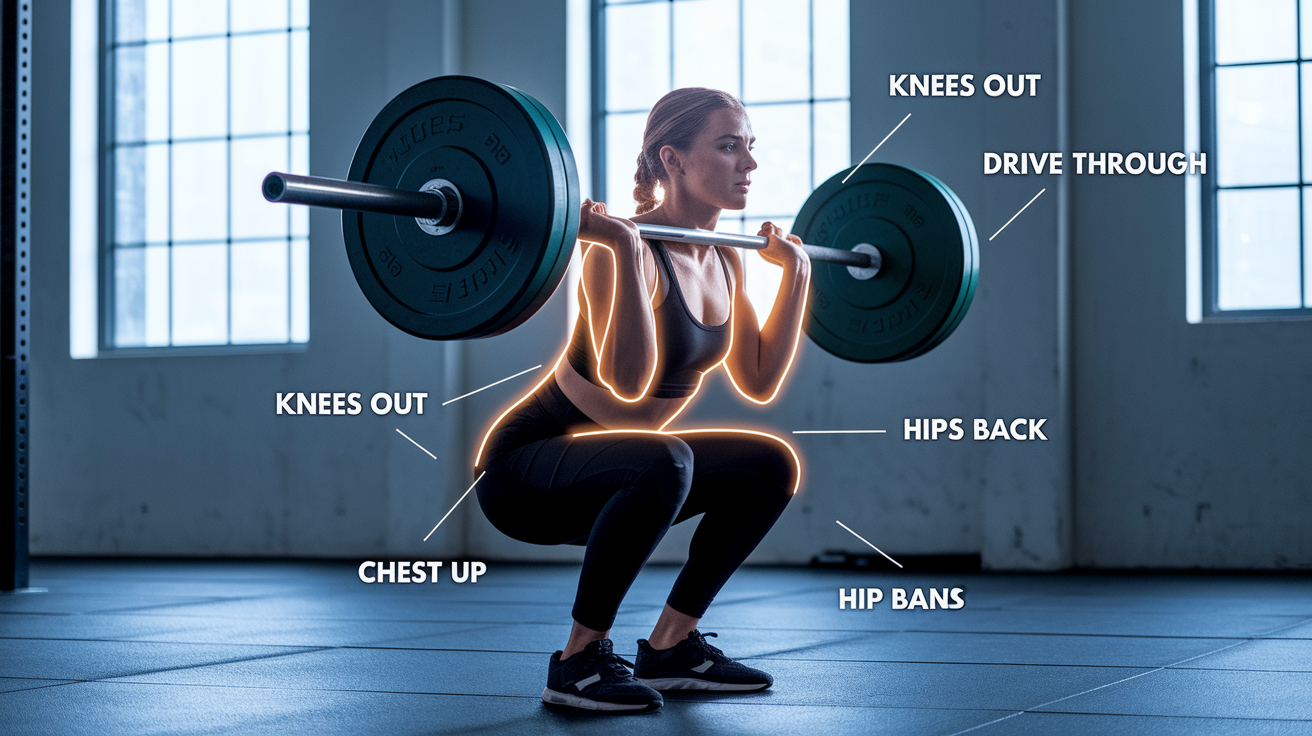
Mobility creates the potential for depth, but technique cues teach your nervous system how to use that new range safely under load. The first cue is bracing. Take a full belly breath, hold it, and create firm tension through your torso before you descend. A braced core stabilizes your pelvis and prevents your lumbar spine from compensating when your hips reach end range. Without that brace, your lower back will round to give you the illusion of depth while your hips stay high.
The second layer is foot and hip torque. Before you squat or pull, spread the floor by pressing through the balls of your feet and outer edges while keeping your heels down, as if you’re trying to screw your feet into the ground without actually moving them. That external rotation torque activates your glutes and opens space in the front of your hip, letting your femur drop deeper into the socket. For deadlifts, the same torque principle applies: as you set your grip, think about externally rotating your femurs and spreading the floor, which loads your posterior chain and keeps your hips from shooting up early.
Five cues to use immediately:
- Keep your weight centered over mid-foot to heel. Never let it roll forward onto your toes as you descend.
- Push your knees out in the same direction as your toes throughout the entire range of motion.
- Squeeze your glutes hard at the top of every rep to reinforce hip extension and teach your body where lockout should feel.
- In the squat, think “chest up, hips back” on the way down, and “drive through the floor” on the way up.
- In the deadlift, hinge at the hips first, then bend your knees just enough to grip the bar without your hips dropping too low.
Mobility Frequency, Timing, and Recovery

You’ll see the fastest improvements when you perform targeted hip mobility four to six days per week. Daily practice builds motor patterns and gives your nervous system repeated exposure to new ranges, which speeds up adaptation. On lifting days, keep the routine dynamic and short: five to ten minutes of hip CARs, leg swings, goblet squats, and glute bridges before you load the bar. On rest days or after training, you can add longer static holds like the couch stretch or 90/90 rotations, spending 30 to 60 seconds per position to work on passive range.
Pre-training mobility should wake up the joints and prime movement patterns without fatiguing the muscles you’re about to use. Keep reps controlled, avoid pushing into painful end range, and finish feeling loose rather than tired. Post-training mobility can be more aggressive because you’ve already done the work. Longer holds and deeper stretches are safe here, and they help lock in the range you just trained.
Most people notice measurable depth improvements within two to six weeks of consistent work, but that timeline assumes you’re doing the drills regularly and applying the new range in your lifts. If you only stretch once or twice a week, progress will be slow. If you stretch daily but never practice squatting or pulling to the new depth, your body won’t trust the range under load. The combination of frequent mobility work and deliberate technique practice during lifting is what makes the change stick.
Final Words
We gave a follow‑along, 7‑step hip mobility routine you can use right now, plus quick tests and clear progressions to pin down what’s limiting your squat and deadlift depth.
You also got the key hip actions (flexion, external rotation, extension), practical form cues, and a realistic frequency plan—do the routine 4–6 times per week and add ranges or holds gradually.
Do the hip mobility routine for improving squat and deadlift depth, track small wins, and you’ll see safer, deeper reps in a few weeks. Keep at it.
FAQ
Q: What is a quick 10-minute hip mobility routine I can follow for deeper squats and deadlifts?
A: The quick 10-minute hip mobility routine is a seven-move follow-along: 90/90 rotations, kneeling hip-flexor stretch, leg swings, glute bridges, pigeon-to-lunge, adductor slides, and deep squat holds—30–60 seconds or ~10 reps each.
Q: How do hip functions affect squat and deadlift depth?
A: Hip functions affect depth because hip flexion sets squat depth and torso angle, external rotation and abduction guide knee tracking, and hip extension drives deadlift setup and the lockout.
Q: How can I test my hip mobility to find what limits my depth?
A: You can test hip mobility with 90/90 rotations (rotation limits), a kneeling hip-flexor test (front tightness), a deep squat hold (control and ankle reach), and a single-leg bridge (glute strength).
Q: How should I progress hip mobility over weeks?
A: Progress hip mobility by increasing range, hold times, or light load; use CARs, loaded stretching, and end-range isometrics, add 10–20 seconds or reps weekly, and advance when you keep control through full range.
Q: What immediate form cues help me use improved hip mobility to squat and deadlift deeper?
A: Immediate form cues are: brace your core, push knees out, keep feet stable and torque slightly outward, hinge from the hips not the low back, and finish each rep feeling the glutes engage.
Q: How often and when should I do hip mobility—warm-up or cooldown?
A: You should do hip mobility 4–6 days per week; use dynamic drills as a warm-up before lifting and longer static holds or loaded work after training—expect noticeable depth gains in 2–6 weeks.