


Think you can’t lose fat and build muscle at the same time? Think again.
This five-day training split gives a clear, practical way to make both happen without endless cardio or wrecking your recovery.
It stacks heavy compound lifts early, adds targeted cardio, and uses tiny weekly progress steps you can track.
Read on for a simple plan, coaching cues, and the exact training order so your body burns fat while getting stronger, a plan you can follow for 8 to 12 weeks and actually finish.
Complete 7-Day Burn Fat & Build Muscle Workout Plan
The best way to burn fat and build muscle? Follow a structured plan that stacks heavy compound movements with smart cardio timing. This 7-day program swaps between strength sessions and active recovery so you’re building muscle without killing fat loss. You’ll need a barbell, dumbbells, a bench, cable station, and a pull-up bar or lat pulldown. Training at home? Resistance bands and adjustable dumbbells can cover most of what you need.
The weekly flow puts compound lifts early when you’re fresh, then layers in accessory work and metabolic conditioning later. Each training day uses specific rep schemes to balance strength with muscle growth. Cardio lands on lifting days to crank up total calorie burn while keeping rest days actually restful.
Here’s the complete 7-day structure:
- Monday – Upper Push (Chest, Shoulders, Triceps): Barbell bench press 4×6–8, overhead press 3×6–8, incline dumbbell press 3×8–10, lateral raise 3×12–15, triceps pushdown 3×10–12. Finish with 15 minutes of LISS cardio.
- Tuesday – Lower (Quads, Glutes, Hamstrings): Barbell squat 4×5, Romanian deadlift 3×6–8, Bulgarian split squat 3×8 each leg, leg curl 3×10–12, calf raise 3×15. No cardio.
- Wednesday – Upper Pull (Back, Biceps): Deadlift 3×3–5, barbell row 3×6–8, pull-up or lat pulldown 3×6–8, seated cable row 3×10–12, dumbbell curl 3×10–12. Finish with 20 minutes of HIIT (30 seconds sprint, 90 seconds walk, repeat 8 rounds).
- Thursday – Active Recovery: 30 minutes light walking or cycling, optional yoga or mobility work. No weights.
- Friday – Full Body Power: Front squat 3×6, incline bench press 3×6, bent-over row 3×6, overhead press 3×8, plank 3×45 seconds. Finish with 15 minutes of LISS cardio.
- Saturday – Metabolic Conditioning + Abs: 4 circuits of goblet squat 12 reps, push-up 12 reps, kettlebell swing 15 reps, rest 90 seconds between circuits. Then complete 3 sets of hanging leg raise 10–15 reps and cable crunch 15 reps. No additional cardio.
- Sunday – Full Rest: No training, no cardio. Focus on sleep, hydration, and meal prep.
Run this plan for 8 to 12 weeks. When you hit the top end of the rep range, add small load increases each week. Track every session in a notebook or app and try to beat last week’s numbers by one rep or 2.5 to 5 pounds. After 8 weeks, take a deload week by cutting volume in half and keeping the same exercises. Then restart with slightly higher baseline weights.
Training Splits That Support Fat Loss and Muscle Gain
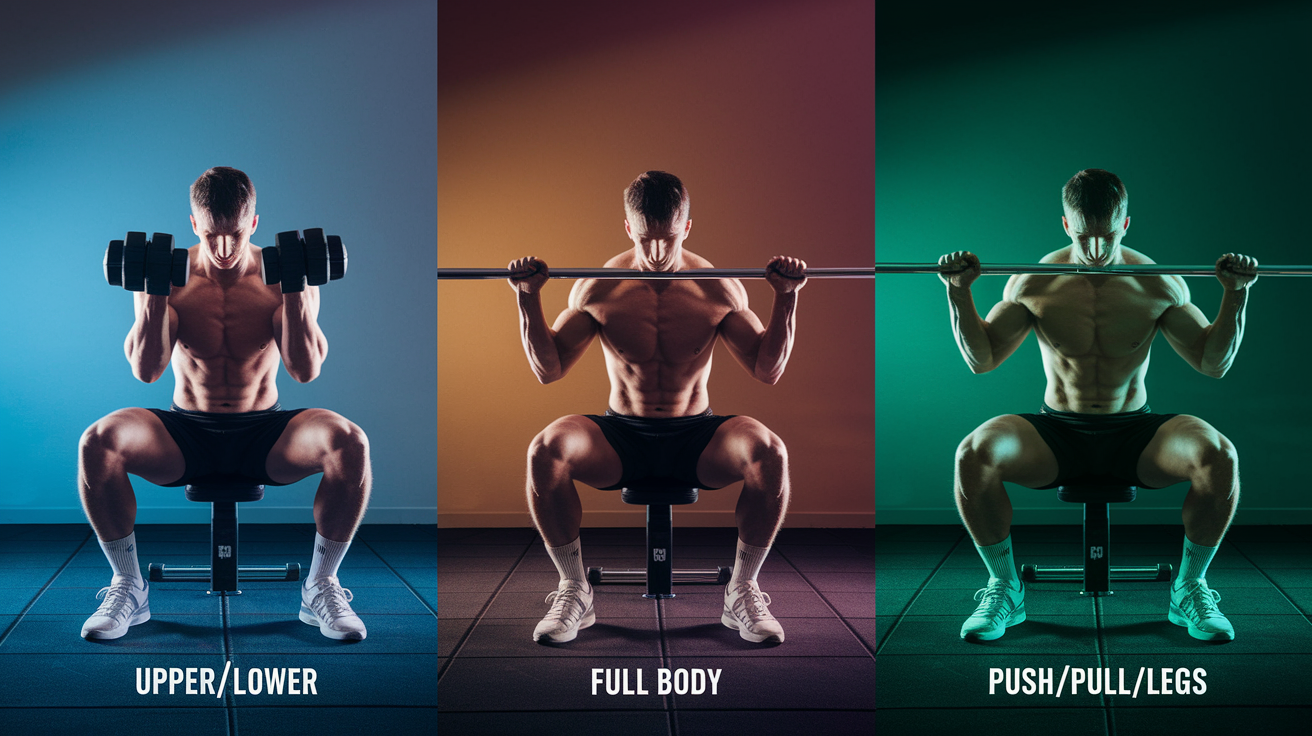
An upper/lower split divides your training into two upper days and two lower days each week. You hit each muscle group twice with solid recovery between sessions. This works well for recomposition because you can dedicate focused volume to major muscle groups without overloading any single workout. Upper/lower fits intermediate lifters who can handle higher weekly sets and want predictable weekly schedules.
Full-body training hits all major muscle groups in each session, typically three times per week. This cranks up total weekly calorie burn and keeps protein synthesis elevated all week. Full-body suits beginners who need practice with fundamental movement patterns and intermediate trainees who prefer fewer training days but still want frequent muscle stimulation. Each session stays efficient, usually 45 to 60 minutes with moderate rest periods.
Push/pull/legs divides training by movement pattern. Pushing muscles (chest, shoulders, triceps), pulling muscles (back, biceps), and legs. This split allows high frequency and volume for each muscle group when run twice per week, making it solid for intermediate and advanced lifters chasing muscle growth during recomposition. It needs five to six training days per week, so it’s best for people with flexible schedules and strong recovery habits.
| Split Type | Weekly Frequency | Best Fit |
|---|---|---|
| Upper/Lower | 4 days | Intermediate lifters, balanced schedules |
| Full Body | 3 days | Beginners, time-limited trainees |
| Push/Pull/Legs | 5–6 days | Advanced trainees, high recovery capacity |
Cardio Integration for Maximum Fat Burning
Cardio should support fat loss without messing with strength performance or recovery. Schedule it right after lifting sessions or on separate days, but never before heavy compound work. Pairing 15 to 20 minutes of low-intensity steady-state cardio after an upper session burns extra calories without taxing the legs before your next squat day. High-intensity interval training works best on pull or upper days when lower-body fatigue is minimal, letting you sprint or cycle hard without compromised form.
Keep total weekly cardio to two to four sessions during active recomposition phases. Too much cardio can spike appetite, reduce strength gains, and slow muscle recovery. If fat loss stalls after four weeks, add one extra 20-minute LISS session before increasing cardio frequency further. Always protect lifting performance. If your squat or deadlift numbers drop for two straight weeks, pull back cardio volume by 25 percent and reassess.
Recommended cardio formats:
- HIIT on bike or rower: 10 to 20 minutes, 30 seconds max effort followed by 90 seconds easy pace, repeat 6 to 10 rounds.
- LISS walking or cycling: 20 to 40 minutes at conversational pace, heart rate around 60 to 70 percent of max.
- Metabolic circuits: 4 to 6 rounds of bodyweight or light kettlebell exercises (squat, push-up, swing, row) with minimal rest between movements.
- Sled push or prowler: 8 to 12 short sprints (20 to 40 meters) with full recovery between efforts. Excellent for lower-body power without eccentric damage.
Progressive Overload Methods for Recomposition
Progressive overload is the foundation of muscle growth and strength gain during recomposition. Without consistent increases in training stimulus, your body has no reason to adapt. The simplest method is adding weight to the bar once you can complete all prescribed reps with clean form. When you hit the top of a rep range (say, 3 sets of 8 reps), add 2.5 to 5 pounds for upper lifts or 5 to 10 pounds for lower lifts the following week.
You can also progress by adding reps within a fixed range, increasing sets per muscle group, or improving tempo control. Each method forces adaptation without requiring heavier loads every session, which helps during calorie deficits when strength gains slow. Small weekly improvements of 2 to 5 percent across your main lifts compound into significant changes over 8 to 12 weeks.
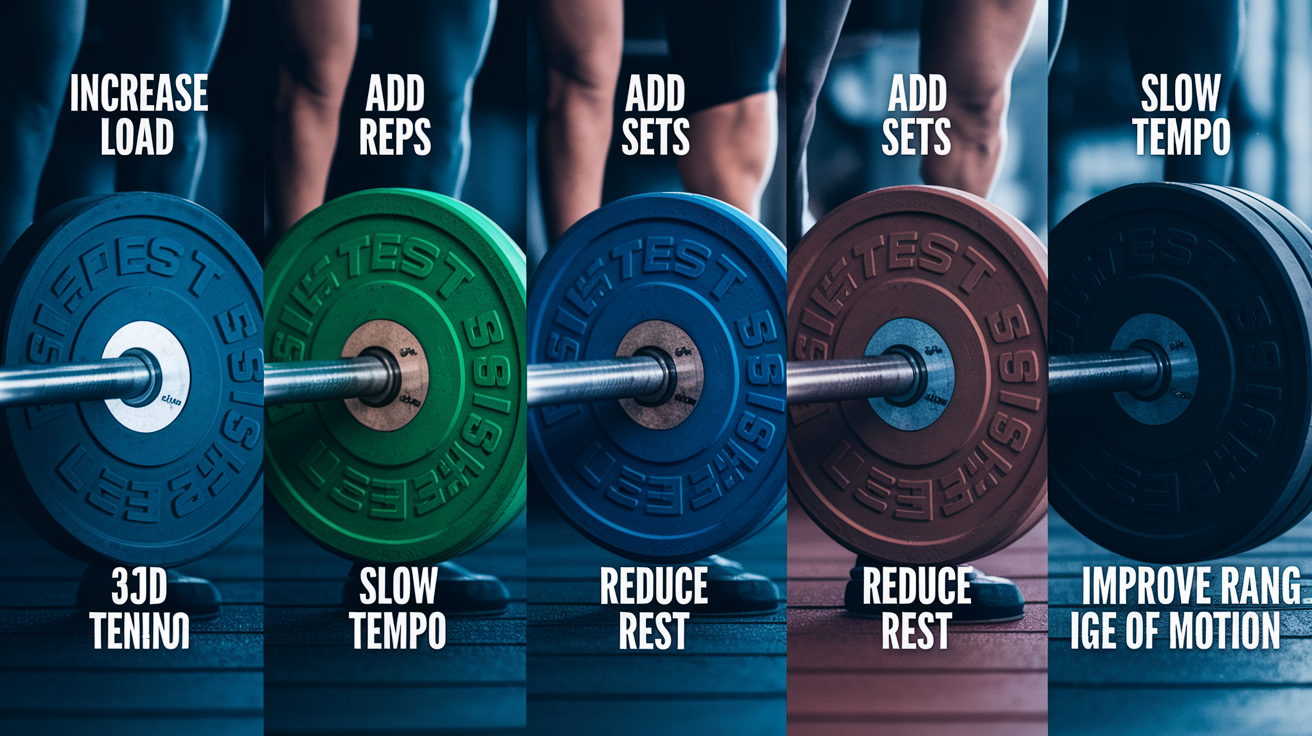
Six overload techniques to rotate:
- Increase load: Add 2.5 to 10 pounds when you complete all sets at the top rep range.
- Add reps: Perform one extra rep per set each week until you exceed the target range, then increase weight.
- Add sets: Increase weekly volume by one set per exercise every two to three weeks.
- Slow tempo: Use a 3-second eccentric (lowering phase) to increase time under tension without adding load.
- Reduce rest: Cut rest intervals by 10 to 15 seconds while maintaining reps and load, raising training density.
- Improve range of motion: Gradually increase squat depth or row pull height to make each rep more challenging.
Structuring Recovery and Rest Days
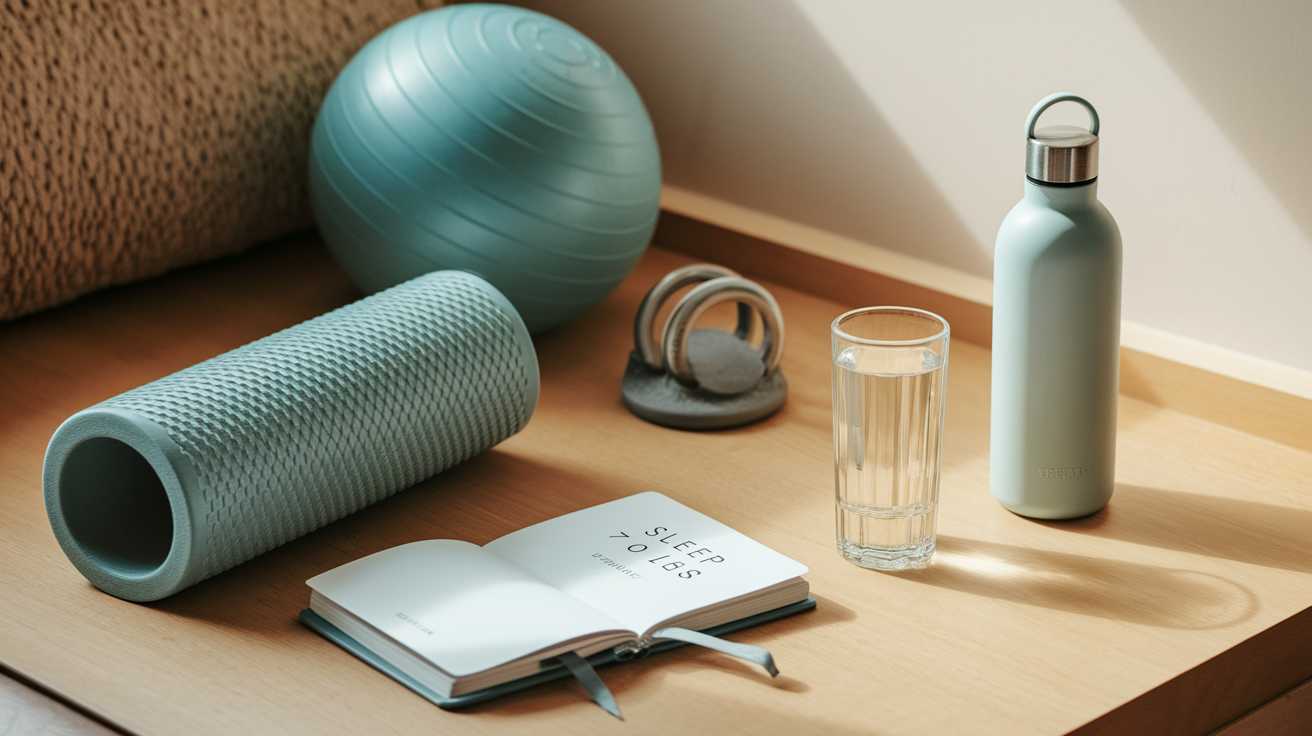
Rest days are when your muscles repair and grow stronger. Training breaks down muscle fibers. Recovery rebuilds them with better capacity to handle future stress. Schedule at least one full rest day per week with no lifting or cardio, and consider a second light-activity day if you train five or six days weekly. Poor recovery leads to stalled progress, elevated injury risk, and chronic fatigue that kills motivation.
Sleep is the most powerful recovery tool you control. Aim for seven to nine hours per night, and keep your sleep schedule consistent even on weekends. If you’re losing strength, feeling unusually sore for days, or struggling to complete workouts you handled easily two weeks ago, add an extra rest day immediately and review your total weekly training volume.
Active recovery options for rest days:
- 20 to 30 minutes of easy walking: Promotes blood flow and mental relaxation without taxing muscles.
- Mobility or yoga session: Improves joint range of motion and reduces stiffness from heavy lifting.
- Light swimming or cycling: Low-impact movement that aids circulation and keeps you active without creating new fatigue.
Beginner-Friendly Modifications

If you’re new to structured training, reduce the total number of sets per exercise by one or two and start with machines or dumbbells before moving to barbell work. Machines provide stability and guide movement patterns, letting you focus on effort and control instead of balance. Stick with two or three full-body sessions per week for the first four weeks, using 2 to 3 sets per exercise and 8 to 12 reps. This builds work capacity and technical skill without overwhelming your recovery systems.
Beginners should also lower cardio intensity and frequency. Replace HIIT sessions with brisk walking or steady cycling, and limit total weekly cardio to two 20-minute sessions until lifting form is solid. Once you can complete three weeks of consistent training without excessive soreness or missed sessions, gradually add volume by increasing sets or introducing one extra training day.
Four beginner substitutions:
- Swap barbell back squat for goblet squat or leg press to learn hip and knee mechanics with less spinal load.
- Replace barbell bench press with dumbbell bench press to allow natural shoulder movement and build unilateral strength.
- Substitute conventional deadlift with trap-bar deadlift or Romanian deadlift with light dumbbells to reduce technical complexity.
- Use assisted pull-up machine or lat pulldown instead of bodyweight pull-ups until you can handle your bodyweight for multiple reps.
Expected Results Timeline and Tracking Metrics
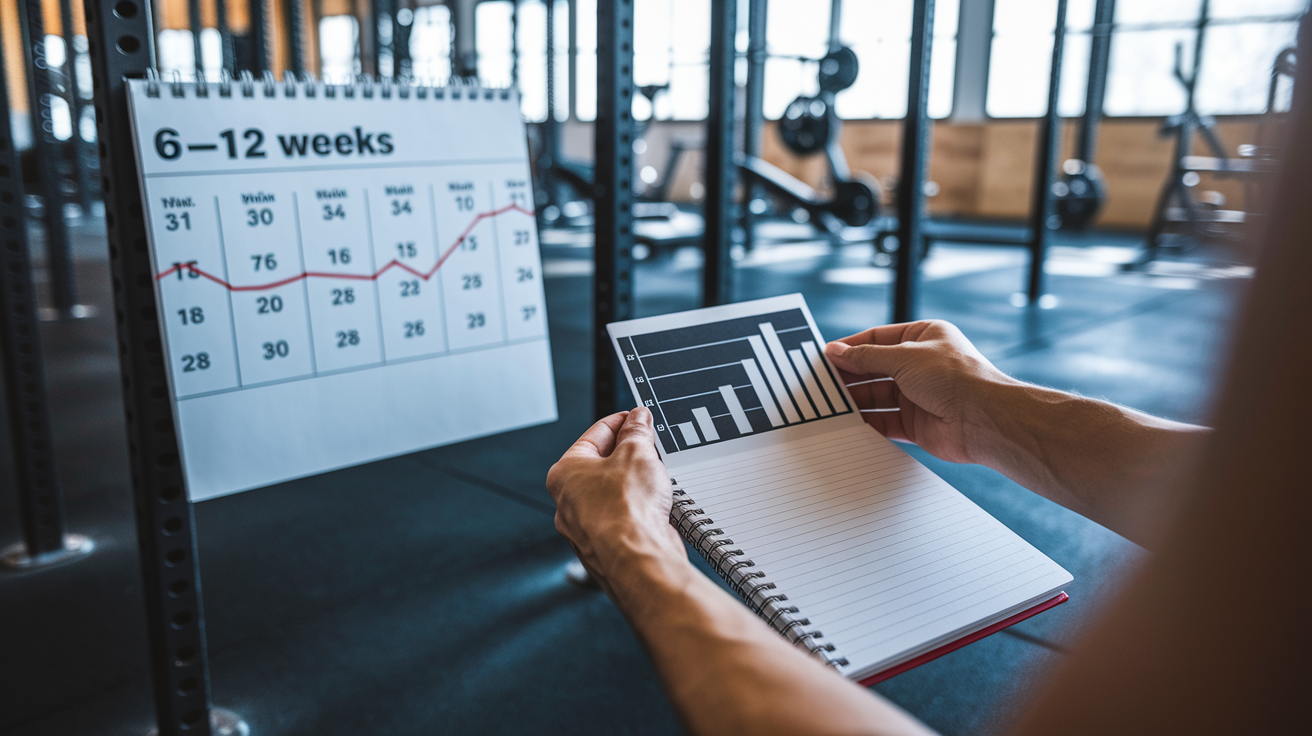
Visible body recomposition typically takes 6 to 12 weeks of consistent training and controlled nutrition. You’ll notice strength improvements within the first four weeks as your nervous system adapts, but measurable changes in muscle size and body fat often lag by another four to eight weeks. Scale weight is a terrible tracker during recomposition because you’re gaining muscle and losing fat at the same time, sometimes resulting in stable or slowly changing weight despite clear visual progress.
Track strength by logging weights and reps for your main lifts every session. Measure your waist at the narrowest point and hips at the widest point once per month, and take front, side, and back photos in consistent lighting every four weeks. These metrics reveal recomposition progress far better than daily weigh-ins. If your squat increases by 15 percent and your waist measurement drops by one inch over 8 weeks, you’re succeeding even if scale weight hasn’t moved.
| Metric | What It Measures | Frequency |
|---|---|---|
| Lift performance (weight × reps) | Strength and muscle retention | Every session |
| Waist and hip circumference | Fat distribution changes | Monthly |
| Progress photos | Visual muscle and fat changes | Every 4 weeks |
Essential Form Cues for Major Lifts
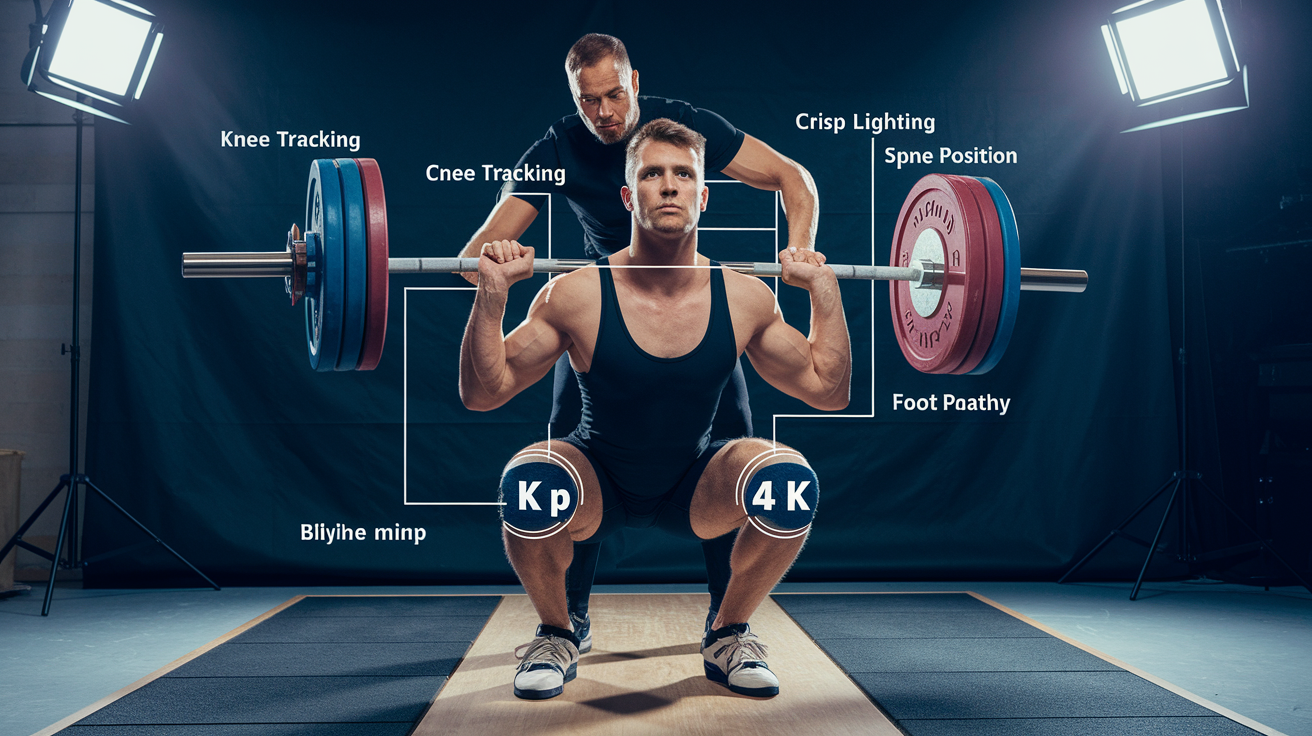
Proper bracing protects your spine and transfers force efficiently. Before every squat, deadlift, or overhead press, take a deep breath into your belly, hold it, and brace like you’re about to take a light punch to the stomach (firm, not stiff). This creates intra-abdominal pressure that stabilizes your torso and lets you lift heavier weights safely.
Joint alignment matters as much as effort. Your knees should track over your toes during squats and lunges, never collapsing inward. Keep your shoulders packed (pulled slightly back and down) during all pressing and rowing movements to protect the rotator cuff. A controlled tempo, especially during the lowering phase, builds more muscle and prevents injury better than fast, bouncy reps.
Core form cues for major lifts:
- Squat: Chest up, core braced, knees tracking toes. Descend until hip crease is below knee height, then drive through midfoot to stand. “Sit back like you’re aiming for a low chair.”
- Deadlift: Hips higher than knees, shoulders over the bar, flat back. Pull the slack out of the bar before lifting, then drive through your heels and squeeze glutes at the top. “Drag the bar up your shins.”
- Bench Press: Shoulder blades pinched together, feet flat on floor, bar path slightly diagonal toward upper chest. Lower until the bar touches your chest, then press in a straight line. “Bend the bar” to engage lats.
- Overhead Press: Core tight, glutes squeezed, bar starts at collarbone. Press straight up, moving your head back slightly so the bar clears your face, then return to the start. “Shrug your shoulders at the top.”
Simple Nutrition Guidelines to Support the Routine

Your body needs enough protein to repair and build muscle, and a slight calorie deficit to lose fat. Aim for 0.7 to 1.0 grams of protein per pound of body weight daily. A 180-pound person should consume 126 to 180 grams. Spread protein across three to five meals to keep muscle protein synthesis elevated throughout the day. Each meal should include at least 25 to 40 grams of protein from sources like chicken, fish, eggs, Greek yogurt, or whey protein.
A small calorie deficit of 250 to 500 calories below maintenance promotes fat loss without slowing strength gains or recovery. Calculate your maintenance calories using an online calculator, then subtract 250 to start. Weigh yourself weekly under identical conditions (same day, same time, fasted) and adjust calories if your average weekly weight doesn’t drop by 0.5 to 1 pound over two straight weeks. If weight drops faster than 1 pound per week, add 100 to 200 calories to protect muscle mass.
Five daily nutrition priorities:
- Hit your protein target every day: Track intake with an app or food log until portion sizes become automatic.
- Eat whole foods 80 percent of the time: Focus on lean meats, vegetables, fruits, whole grains, and healthy fats like olive oil and avocado.
- Time carbs around training: Consume most of your daily carbs in the meal before and after lifting to fuel performance and recovery.
- Stay hydrated: Drink at least half your body weight in ounces of water daily (a 160-pound person drinks 80 ounces minimum).
- Limit empty calories: Cut back on added sugars, fried foods, and alcohol, which add calories without supporting muscle repair or satiety.
Final Words
In the action, you’ve got a ready-to-run 7-day plan with clear daily sessions, cardio pairings, and simple equipment needs so you can start today.
You also learned which splits suit different goals, how to add progressive overload, and how to schedule recovery and easy nutrition habits for steady recomposition.
Use these burn fat build muscle workout routines as a baseline: track strength, waist, and photos, rotate the plan every 8–12 weeks, and focus on small, consistent steps. Stick with it—steady progress follows.
FAQ
Q: What does a complete 7-day burn fat and build muscle workout plan look like?
A: A complete 7-day burn fat and build muscle workout plan uses compound lifts, mixed-intensity cardio, and progressive overload, with daily sessions, clear rep schemes, and cardio so you can start right away.
Q: How do I rotate the 7-day plan for 8–12 weeks?
A: You should rotate the 7-day plan by repeating the week for 8–12 weeks, increasing load or reps 2–5% weekly, swapping exercises every 4 weeks, and adjusting cardio to avoid plateaus.
Q: Which training split is best: full-body, upper/lower, or push/pull/legs?
A: The best split depends on you: full-body suits beginners and higher calorie burn, upper/lower balances volume for most trainees, and push/pull/legs fits intermediate lifters needing extra frequency.
Q: How often should I do cardio and how should I pair it with strength sessions?
A: You should do 2–3 HIIT sessions plus 1–3 LISS sessions weekly; put HIIT on separate days or after short strength sessions, and use LISS on rest or low-intensity days.
Q: What cardio formats work best for fat burning?
A: The best cardio formats are HIIT sprints, rowing or bike intervals, steady-state walking or cycling, and metabolic conditioning circuits for higher overall calorie burn.
Q: What practical progressive overload methods should I use for recomposition?
A: Practical progressive overload methods include adding load, reps, or sets, slowing tempo, increasing density (less rest), and improving range of motion, aiming for 2–5% weekly improvements.
Q: How many rest days should I take and what should I do on them?
A: You should take 1–3 rest days per week depending on training intensity; use active recovery like walking, mobility work, or light cycling, and prioritize sleep and good nutrition.
Q: How can beginners modify the program safely?
A: Beginners should modify by reducing sets and reps, choosing machines or simpler movements, lowering intensity, and slowly building volume and technique over several weeks.
Q: When will I see results and what should I track?
A: You should expect visible recomposition in about 6–12 weeks; track strength (weights and reps), waist or clothes fit, and progress photos rather than relying only on the scale.
Q: What essential form cues should I use for major lifts?
A: Essential form cues are brace your core like a light punch, keep a neutral spine, drive through your heels on squats, hinge at the hips for deadlifts, and control the bar path on presses.
Q: What simple nutrition rules support fat loss and muscle gain?
A: Simple nutrition rules are eat 0.7–1.0 g protein per pound daily, aim for a small calorie deficit for fat loss, prioritize whole foods, spread protein across meals, and stay hydrated.