
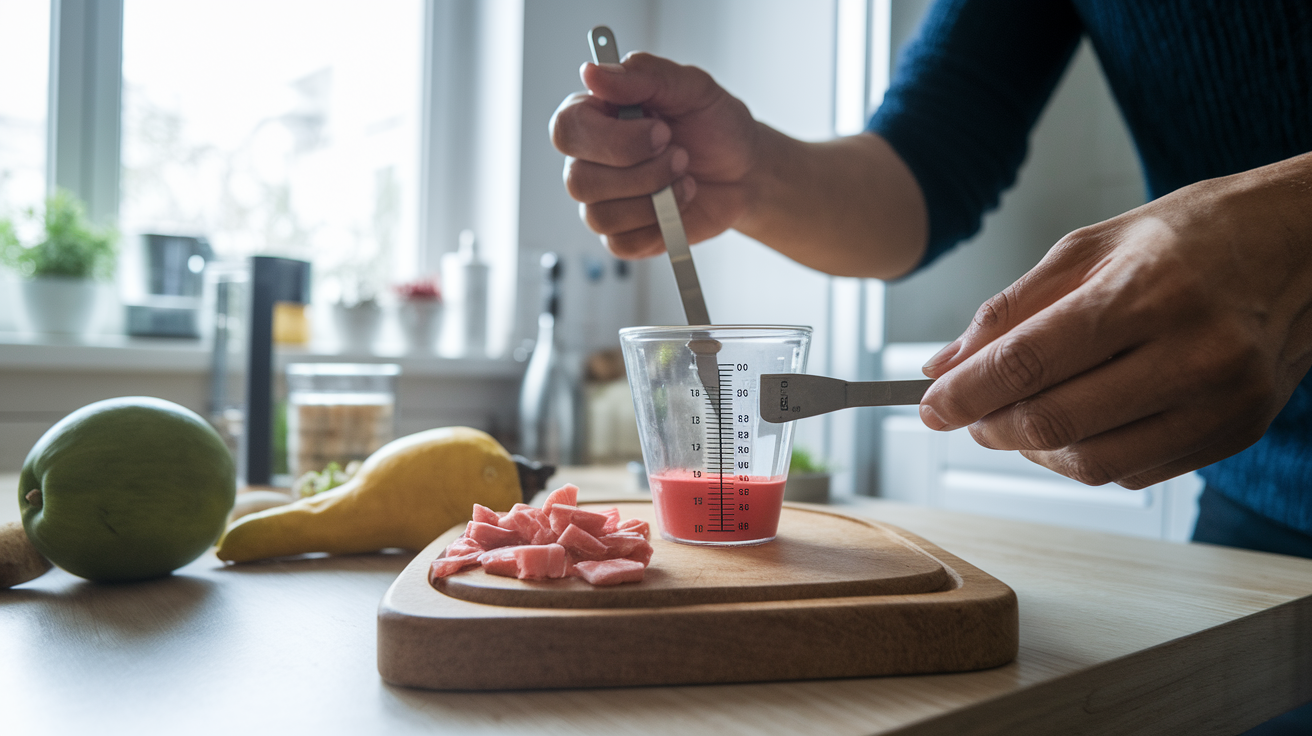

Think you can build muscle while losing fat without tracking protein?
Most people can’t, and that mistake stalls recomposition fast.
If you’re doing full body strength work, aim for 0.7–1.0 grams per pound of bodyweight per day (1.6–2.2 g/kg).
So a 180-pound person should eat about 126–180 grams of protein.
Hit the higher end in a calorie deficit and spread protein across meals to protect muscle while losing fat.
This post gives clear targets, timing tips, and simple meal examples you can actually follow.
Optimal Daily Protein Targets for Strength Training and Recomposition
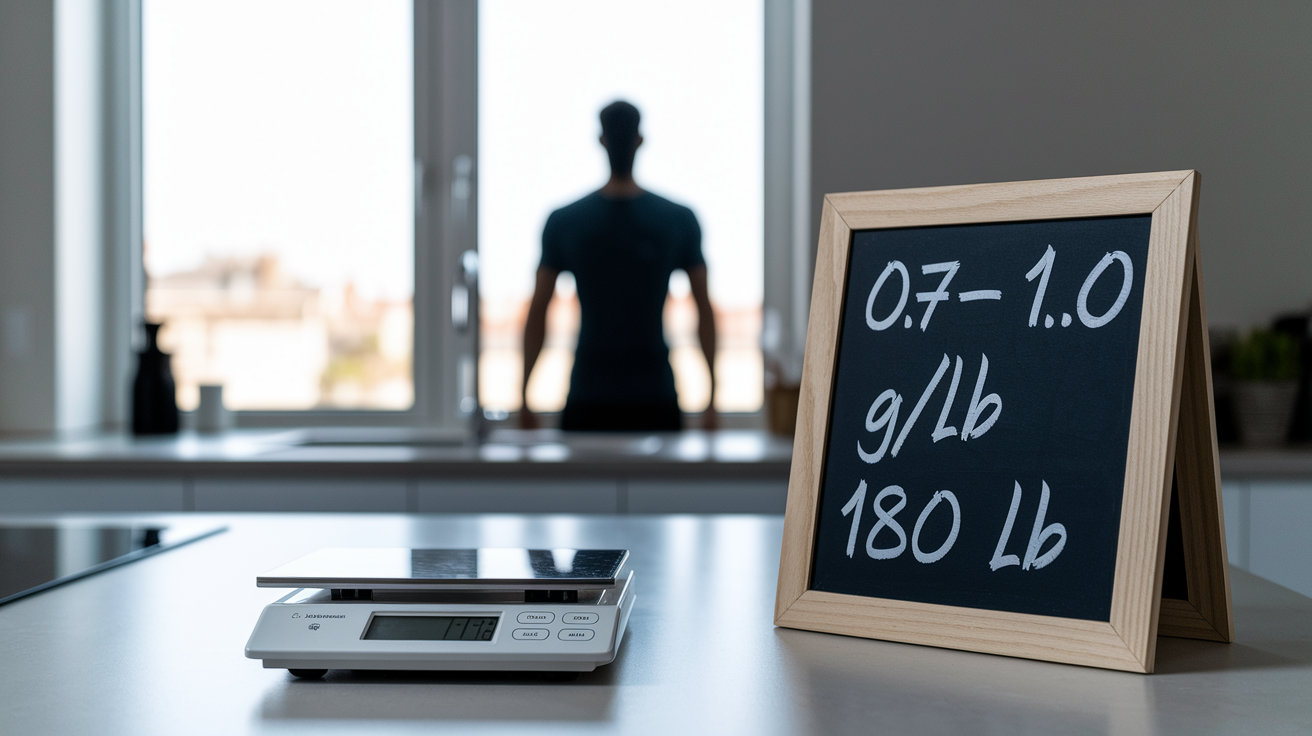
If you’re training full body and want to build muscle while losing fat, you need to hit 0.7–1.0 grams of protein per pound of bodyweight every day. Someone weighing 180 pounds? That’s 126–180 grams of protein. In metric terms, the same target translates to 1.6–2.2 grams per kilogram. These numbers come from controlled studies on resistance training and body composition. They’re proven to support muscle growth and fat loss at the same time.
The higher end works better when you’re in a caloric deficit. If you’re eating fewer total calories to lose fat, aim closer to 1.0 gram per pound (about 2.2 g/kg). Higher protein intake protects muscle tissue when your body’s burning energy from stored fat. It also increases thermogenesis (the calories your body burns just to digest food) and triggers satiety hormones in the small intestine, which helps you eat less without feeling deprived. When you’re at maintenance calories or a small surplus, the lower end of the range (0.7 g/lb or 1.6 g/kg) often covers your needs. But many lifters prefer staying closer to 0.8–0.9 g/lb for consistent progress.
These targets work because they give your body enough raw material to repair and build muscle after every training session, while also supporting the metabolic and hormonal processes that keep strength gains coming. Hitting your protein target is more important than any single other nutrition decision for recomposition. Here’s why these ranges support your goals:
Maximizes muscle protein synthesis. Each training session creates demand for amino acids. Meeting that demand with 1.6–2.2 g/kg keeps protein synthesis elevated for hours after your workout.
Preserves lean mass during fat loss. When calories are low, protein acts as a metabolic insurance policy, signaling your body to burn fat instead of muscle.
Increases energy expenditure. Protein has a higher thermic effect than carbs or fats, meaning you burn about 20–30% of the calories from protein just digesting and processing it.
Reduces hunger and supports adherence. Protein triggers GLP-1 and other satiety hormones, making it easier to stick to a caloric deficit without constant cravings or willpower battles.
Effective Protein Timing for Full Body Strength Training
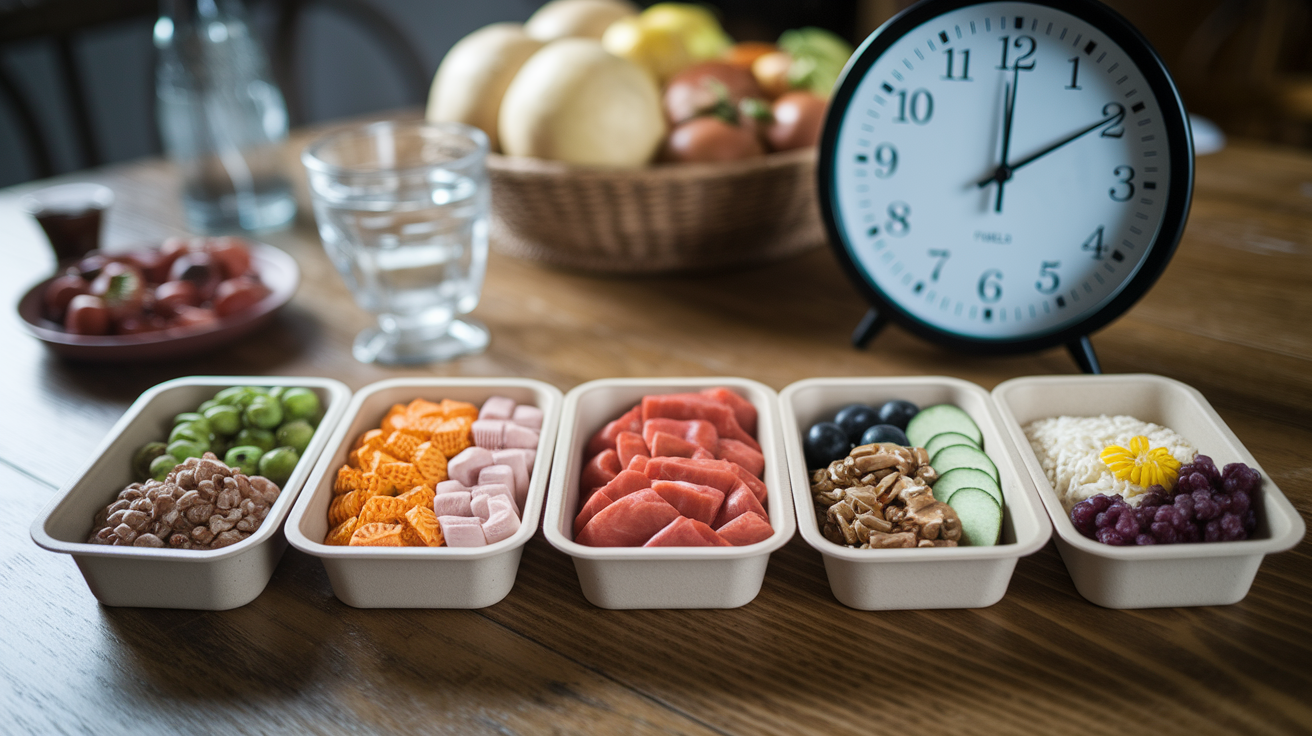
Distribute your daily protein across 3–5 meals spaced evenly throughout the day. Each meal should deliver at least 20–30 grams of protein to trigger muscle protein synthesis effectively. Eating protein every 3–5 hours keeps amino acids circulating in your bloodstream, which supports recovery between sessions and maximizes the muscle building signal your training creates. If you train full body three or four times per week, you’re creating constant demand for repair, so steady intake matters more than it would for someone training each muscle once every seven days.
Around your workout, consume 20–40 grams of protein within 1–2 hours before training and another 20–40 grams within 1–2 hours after. Pre-session protein loads your system with amino acids so they’re available the moment your muscles start breaking down under the bar. Post-session protein refills those stores and kicks muscle protein synthesis into high gear. That said, total daily intake is still the main driver. If you miss the narrow post-workout window but hit your daily target, you’ll still make progress. The timing just optimizes the rate.
Follow these three timing guidelines to make the most of your protein intake:
Aim for 4–5 feedings per day. Spreading 150 grams across five meals means 30 grams each, which is easy to digest and consistently activates muscle protein synthesis.
Consume 20–40 grams of fast-digesting protein (like whey or lean chicken) within two hours post-training. This is when your muscles are most responsive to amino acids.
Include at least 20 grams of protein at breakfast. Overnight is an 8–10 hour fast. Breakfast protein restarts muscle protein synthesis and reduces hunger for the rest of the day.
Personalizing Protein Needs by Body Size, Training Volume, and Body Fat Level

Not everyone needs exactly 1.0 gram per pound. Your training intensity, current body composition, age, and caloric intake all shift where you should land in the 0.7–1.0 g/lb range. If you’re running a high volume program (think five or six full body sessions per week with compound lifts to near failure), you’re creating more muscle damage and metabolic demand, so aiming for 0.9–1.0 g/lb makes sense. On the other hand, if you’re newer to lifting, training three days per week, and carrying higher body fat, 0.7–0.8 g/lb will likely cover your needs without forcing you to eat more protein than your schedule or budget allows.
Body fat percentage also matters. Protein targets are based on total bodyweight, but if you’re carrying significant excess fat, calculating your intake using your goal bodyweight (or lean body mass plus a small buffer) prevents overestimating your needs. For example, a 220 pound lifter at 25% body fat has about 165 pounds of lean mass. Using 0.8–1.0 g/lb on 165–180 pounds (a realistic near term goal weight) yields 132–180 grams per day, which is more practical than the 154–220 grams you’d get from using current bodyweight. Older lifters (roughly 50+) may benefit from the higher end of the range due to anabolic resistance, a normal age related drop in how efficiently muscles respond to protein.
Adjust your intake based on these contextual factors:
| Factor | Adjustment |
|---|---|
| High training volume (5+ sessions/week) | Aim for 0.9–1.0 g/lb (2.0–2.2 g/kg) |
| Body fat >25% (men) or >35% (women) | Use goal bodyweight or lean mass +10–15% |
| Age 50+ | Target upper half of range (0.85–1.0 g/lb) |
| Aggressive caloric deficit (>500 kcal/day) | Push toward 1.0 g/lb to preserve muscle |
Practical Daily Meal Examples to Hit Protein Targets
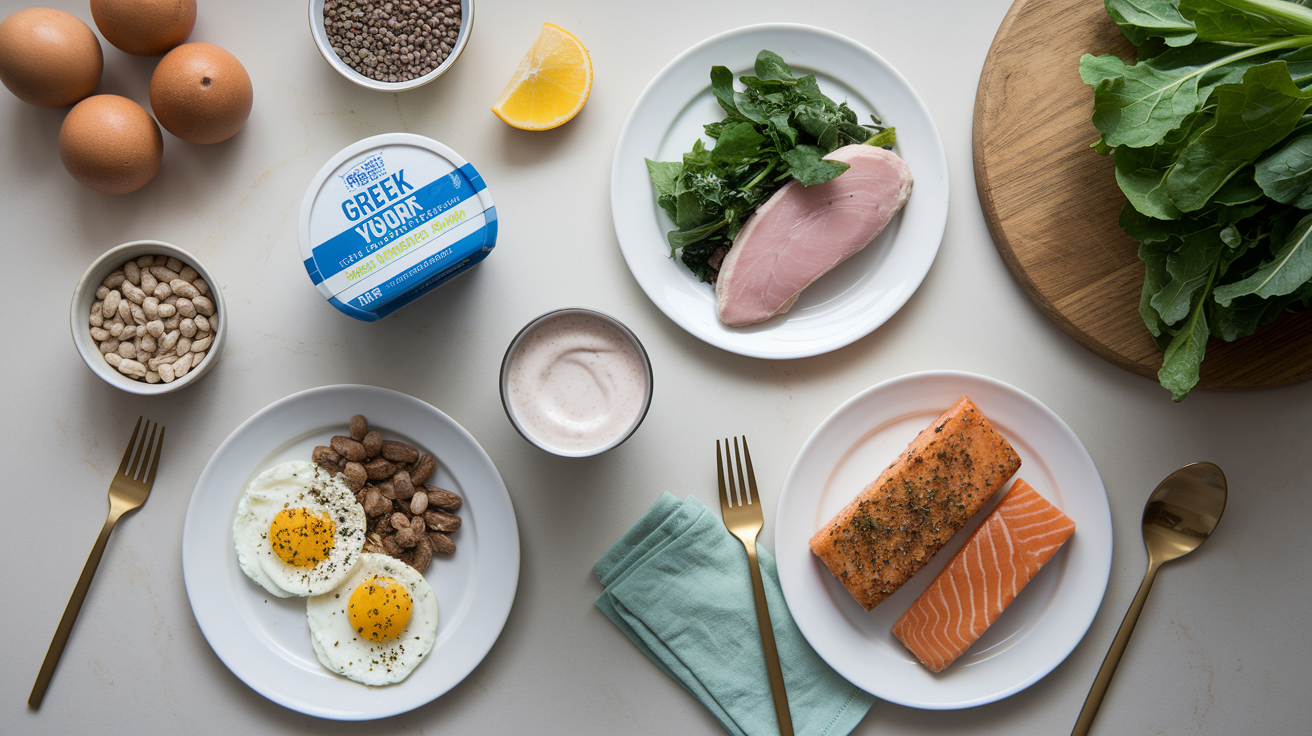
Reaching 120 grams of protein per day is straightforward when you build meals around one or two high protein foods. A typical day might look like this: breakfast with three scrambled eggs and a cup of cottage cheese (about 35 g), a mid-morning snack of Greek yogurt (15 g), lunch with 5 ounces of grilled chicken breast over greens (about 40 g), an afternoon protein shake with one scoop of whey (25 g), and dinner with 5 ounces of salmon (about 30 g). That adds up to roughly 145 grams, giving you a small buffer if portions run slightly under target.
- Breakfast: 3 eggs + 1 cup cottage cheese (35 g)
- Snack: 1 cup Greek yogurt (15 g)
- Lunch: 5 oz grilled chicken breast (40 g)
- Snack: 1 scoop whey protein shake (25 g)
- Dinner: 5 oz baked salmon (30 g)
For 150 grams per day, increase portion sizes slightly or add a second protein source to one meal. A sample day: four egg omelet with cheese at breakfast (30 g), mid-morning shake with whey and a tablespoon of peanut butter (28 g), lunch with 6 ounces of lean ground beef in a wrap (45 g), afternoon snack of two hard boiled eggs (14 g), and dinner with 6 ounces of chicken thighs and half a cup of lentils (38 g). That totals 155 grams with minimal prep complexity.
- Breakfast: 4 egg omelet with 1 oz cheese (30 g)
- Snack: Whey shake + 1 tbsp peanut butter (28 g)
- Lunch: 6 oz lean ground beef (45 g)
- Snack: 2 hard boiled eggs (14 g)
- Dinner: 6 oz chicken thighs + ½ cup cooked lentils (38 g)
Hitting 180 grams requires deliberate planning but stays practical with batch cooking. Start the day with a large smoothie: two scoops of protein powder, one cup of milk, and a half cup of oats (45 g). Mid-morning, eat 6 ounces of plain Greek yogurt with berries (18 g). Lunch is 8 ounces of grilled chicken breast with quinoa (55 g). Afternoon snack is a can of tuna mixed with a bit of mayo on whole grain crackers (22 g). Dinner features 8 ounces of lean steak and roasted vegetables (50 g). Total comes to 190 grams, leaving room to adjust portions slightly downward if needed.
- Breakfast: 2 scoop protein smoothie with 1 cup milk and ½ cup oats (45 g)
- Snack: 6 oz plain Greek yogurt (18 g)
- Lunch: 8 oz grilled chicken breast + quinoa (55 g)
- Snack: 1 can tuna with whole grain crackers (22 g)
- Dinner: 8 oz lean steak (50 g)
Protein Supplements and When They Are Useful
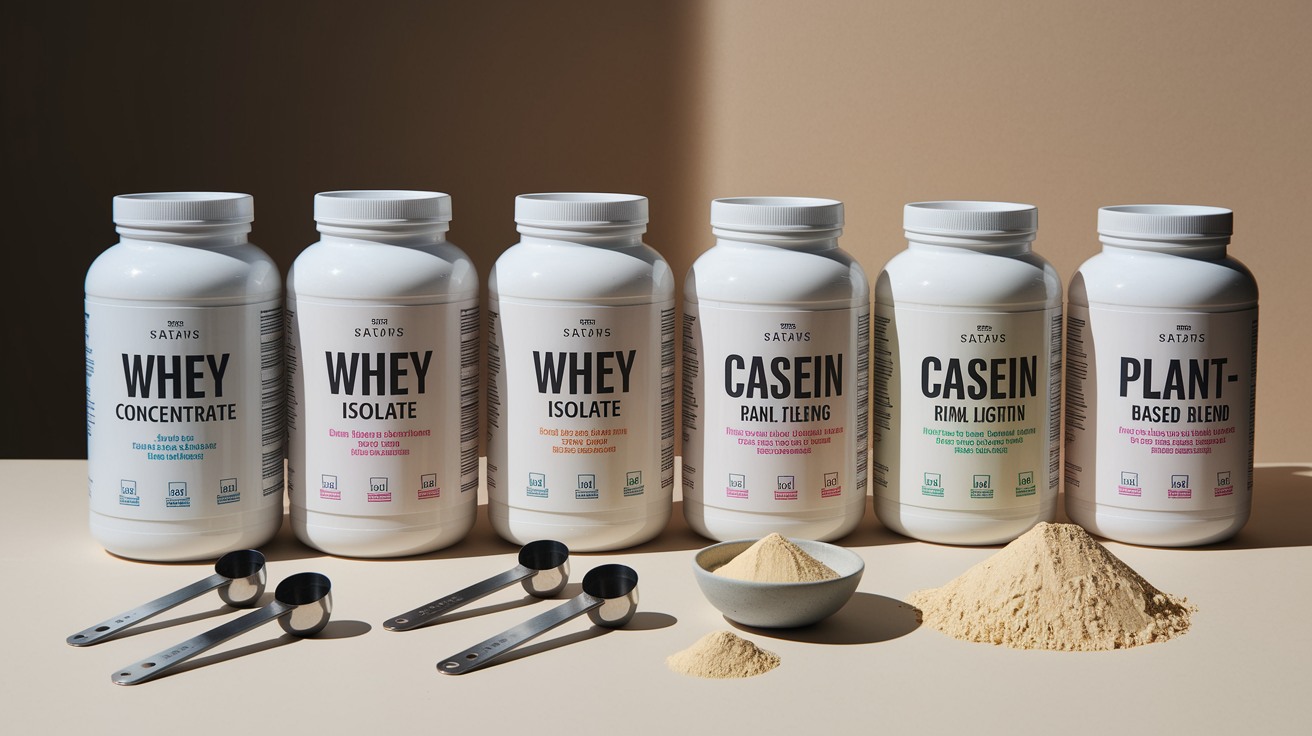
Protein powders exist to make hitting your daily target easier, not to replace whole food. Whey protein is absorbed quickly, raising blood amino acid levels within about 30 minutes, which makes it a solid choice immediately after training when you want nutrients delivered fast. One scoop of most whey concentrates or isolates provides 20–30 grams of protein for roughly 100–150 calories, and it mixes in seconds. Casein protein digests more slowly, releasing amino acids over several hours, so some lifters use it before bed to support overnight muscle repair. A typical serving of casein also delivers about 25 grams of protein, but the slower release may help if your last meal is several hours before sleep.
Supplements shine when your schedule’s tight, your appetite is low, or whole food sources push your calorie budget too high. If you’re trying to hit 180 grams of protein on 2,200 calories, two shakes (50 grams total from powder) can replace a large chicken breast and free up room for carbs and fats. They’re also useful for anyone who struggles to eat enough solid food post-workout or who trains early in the morning before a full breakfast is practical. That said, whole foods deliver fiber, micronutrients, and satiety that powders don’t, so aim to get at least half your daily protein from chicken, fish, eggs, Greek yogurt, beans, tofu, or other minimally processed sources.
Here’s a quick comparison of common supplement types:
Whey concentrate. 20–25 g protein per scoop, small amounts of lactose and fat, economical, digests in 30–60 minutes.
Whey isolate. 25–30 g protein per scoop, nearly lactose free, slightly higher cost, very low fat and carbs.
Casein. 20–25 g protein per scoop, digests slowly over 4–6 hours, useful before sleep or long gaps between meals.
Plant blends (pea, rice, hemp). 20–25 g protein per scoop, dairy free, often fortified to match amino acid profiles of whey, slightly grittier texture in some brands.
Final Words
In practice, aim for 0.7–1.0 g per pound (1.6–2.2 g/kg) daily, spread across meals, with 20–40 g around workouts. That’s the core here: clear targets, smart timing, personal tweaks, meal examples, and sensible supplement use.
Adjust up if you train hard or have low body fat; scale back if your activity and energy needs are lower. Use simple meals or a scoop of protein to hit the numbers without stress.
These nutrition protein targets for full body strength training and recomposition give you a clear plan to follow. Stick with it, track a bit, and you’ll see steady progress.
FAQ
Q: What should my protein goal be for body recomposition?
A: Your protein goal for body recomposition should be about 0.7–1.0 grams per pound of body weight (1.6–2.2 g/kg). Use the higher end during calorie deficits to preserve or build lean mass.
Q: What is the 30/30/30 rule for protein?
A: The 30/30/30 rule for protein means aiming for roughly 30 grams of protein in each of three separate meals to spread amino acids and better stimulate muscle protein synthesis across the day.
Q: Which protein is best for body recomposition?
A: The best protein for recomposition is a complete, high‑leucine source—whey or lean animal proteins—because they drive muscle protein synthesis; casein or mixed plant proteins work if total daily intake is met.
Q: Can I build muscle while on zepbound?
A: You can build muscle while on Zepbound, but you’ll need consistent resistance training, enough protein and calories, and to watch energy or appetite changes; check with your prescriber if medication affects training.