


Think endless crunches will melt belly fat? That’s a myth — strength training works better.
Strength training builds muscle across your whole body, which raises your resting metabolic rate (the calories you burn at rest) and pushes your body to use stored fat, even the deep belly fat that harms your health.
This post shows simple compound lifts, core drills, and nutrition steps that actually burn abdominal weight and fit into a busy week so you can track smaller measurements in a few weeks.
How Strength Training Reduces Belly Fat (Core Mechanisms and Immediate Actions)
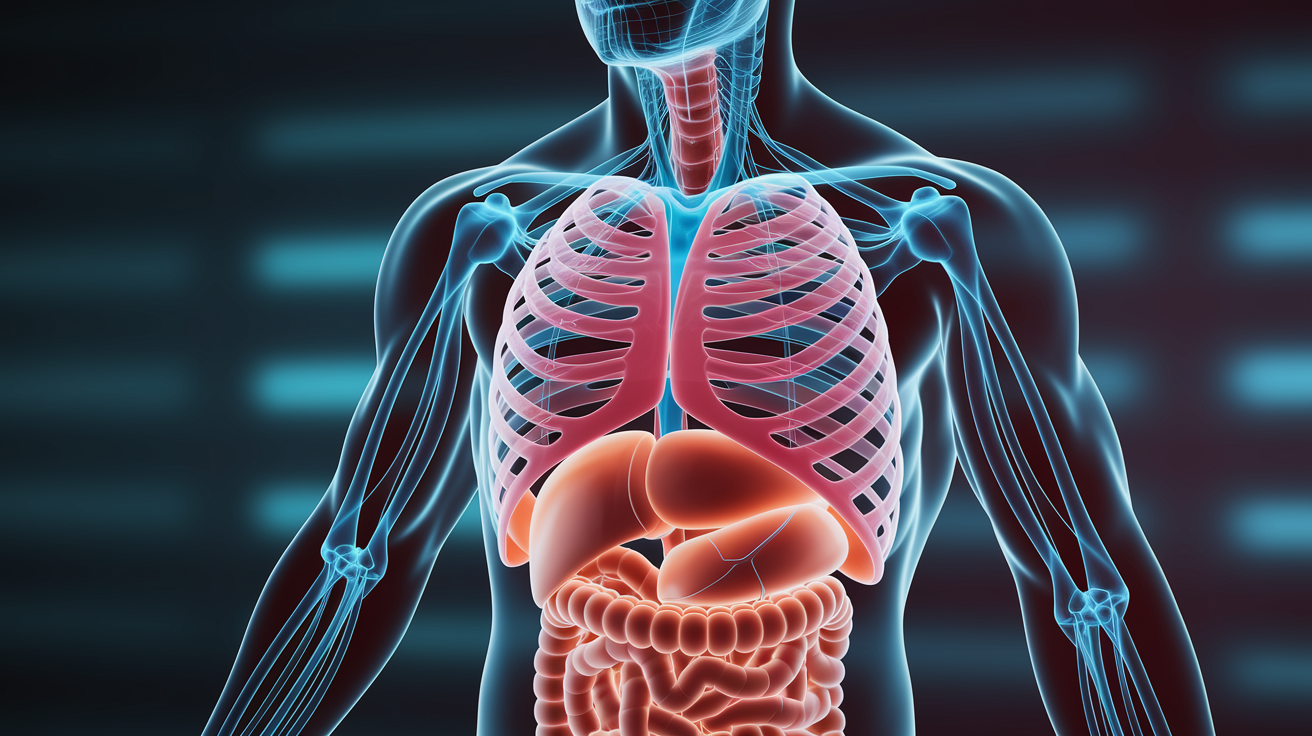
Strength training cuts belly fat by building muscle across your entire body, which cranks up your baseline metabolic rate and forces your system to burn more calories 24/7. When you squat with solid form, you’re firing up glutes, quads, hamstrings, and core all at once. You’re building muscle in those areas while creating an energy demand that pulls from fat stores systemically, including the visceral fat wrapped around your organs. This doesn’t happen where you think it does. Your body won’t selectively strip fat from your midsection when you train abs. It mobilizes stored energy from all sites in response to the calorie deficit created by higher muscle activity and the metabolic cost of recovery.
Visceral fat is metabolically active tissue sitting deep inside your abdomen, surrounding your liver, intestines, and other organs. It releases inflammatory markers and contributes to heart disease and stroke risk more directly than the subcutaneous layer you can pinch. Strength training targets this hidden fat better than isolation work alone because compound movements demand coordination, stability, and force production from your trunk. That signals your endocrine system to prioritize muscle retention and fat oxidation when you maintain a sensible calorie deficit.
Spot reduction? The idea that doing hundreds of sit-ups will carve definition into your midsection remains unsupported by research. Fat loss occurs systemically, governed by overall energy balance, genetics, and hormonal environment. A structured resistance program paired with 150 minutes of moderate cardio per week and two dedicated strength sessions creates the metabolic conditions for measurable waist circumference changes, typically visible after a couple of months when combined with controlled nutrition.
Four ways strength training affects belly fat:
- Increases lean muscle mass, raising resting metabolic rate and daily calorie expenditure.
- Preserves muscle tissue during a calorie deficit so weight loss comes primarily from fat rather than muscle.
- Enhances insulin sensitivity and glucose disposal, reducing the storage signal that directs energy into visceral fat depots.
- Elevates post-exercise oxygen consumption (EPOC), extending calorie burn for hours after your session ends.
Strength Training Exercises for Belly Fat Reduction (Compound + Core)

Effective exercise selection for belly fat reduction balances large, multi-joint movements that build total body muscle with focused core work that strengthens the stabilizers wrapping your midsection. Compound lifts should form the backbone of any program because they demand the highest energy output, recruit the most muscle fibers, and create the systemic metabolic disruption that drives fat oxidation when paired with controlled calorie intake.
Compound Lifts for Belly Fat Reduction
Compound movements engage your core as a stabilizer while loading large muscle groups. Every rep of a properly braced squat or deadlift requires your transverse abdominis, obliques, and erector spinae to resist unwanted movement, building endurance and coordination in the muscles that flatten and protect your waist.
Barbell back squat. Brace your trunk, descend until your hip crease drops below your knee, and drive through your heels. Works quads, glutes, hamstrings, and deep core stabilizers.
Conventional deadlift. Hinge at the hips with a slight knee bend, keep your spine neutral, and squeeze your glutes hard at the top. Recruits posterior chain and entire trunk.
Goblet squat. Hold a kettlebell or dumbbell at chest height, sit back between your knees, and stand. Beginner friendly loading that reinforces upright posture.
Romanian deadlift. Maintain a soft knee, push your hips back until you feel a stretch in your hamstrings, and return. Emphasizes glute and hamstring engagement with constant core tension.
Overhead press. Press a barbell or dumbbells from shoulder height to full lockout overhead. Requires rigid torso bracing to prevent back hyperextension.
Weighted/Equipment-Based Core Work
Adding external load to core movements increases the training stimulus and accelerates strength adaptation. Use kettlebells, dumbbells, or weight plates in the 2 to 6 kg range if you’re beginning, and progress weight only when you can complete all prescribed reps with zero compensation in your lower back or hip flexors. Weighted sit-ups, Russian twists, and side bends challenge your trunk through a full range of motion under resistance, building the muscle that’ll become visible once the fat layer above it recedes.
Bodyweight Core Strengthening Movements
Bodyweight exercises let you train core stability, endurance, and anti-rotation strength without equipment. Planks, dead bugs, bird dogs, and bicycle crunches teach motor control and can be done anywhere. High-plank and forearm-plank variations build isometric endurance in your anterior core, while side planks target the obliques that shape your waistline. Reverse crunches and flutter kicks emphasize the lower portion of your rectus abdominis, addressing the zone many trainees find hardest to activate.
Belly-Focused Strength Training Routines With Sets and Reps

Structured routines give you a repeatable framework to track progress, manage fatigue, and make sure you hit every muscle group contributing to midsection strength and fat loss. Beginners should prioritize movement quality and consistent effort over advanced programming. Intermediate trainees benefit from higher volume and strategic exercise pairing that maximizes time under tension and metabolic demand.
Each routine below balances compound strength work with targeted core conditioning. Perform these sessions two to four times per week, allowing at least one full rest day between lower body dominant sessions to support recovery and adaptation.
| Routine Name | Exercises | Sets/Reps | Target Goal |
|---|---|---|---|
| Beginner Core Circuit | Forearm plank, dead bug, bird dog, reverse crunch | 3×30s hold, 3×8–12 per side, 3×8 per side, 3×12–15 | Build foundational stability and motor control |
| Strength-Focused Session | Barbell squat, Romanian deadlift, weighted sit-up, Russian twist | 3×5–8, 3×8, 3×8–15, 3×8–15 | Maximize muscle retention during calorie deficit |
| Metabolic Core Finisher | V-sit hold, flutter kicks, bicycle crunch, mountain climbers | 2×30–60s, 2×20–30s, 2×20–30 reps, 2×20–30 reps | Elevate heart rate and extend calorie burn post-session |
| Compound + Isolation Blend | Goblet squat, overhead press, side plank, weighted Russian twist | 4×10, 3×8, 3×30s per side, 3×12 | Combine full-body loading with direct oblique work |
Choose one routine per session and rotate weekly to prevent adaptation and maintain engagement. Track every completed set, rep count, hold duration, and any weight used. Small weekly improvements in volume or load indicate your program’s working, even before visible changes appear in the mirror or on the scale.
Nutrition That Supports Strength Training for Belly Fat Loss

Training alone won’t reveal abdominal definition if your calorie intake consistently exceeds expenditure. A sustainable deficit of 200 to 500 calories per day below your maintenance requirement creates the energy shortfall necessary for fat oxidation while preserving the muscle you’re building through resistance work. This range allows steady progress without triggering excessive hunger, fatigue, or metabolic adaptation that stalls results.
Protein intake becomes especially important during a deficit because it supplies the amino acids required for muscle repair and signals satiety more effectively than carbohydrates or fats. Aim for roughly 1.6 to 2.2 grams of protein per kilogram of body weight daily, distributed across three to four meals. Lean sources like chicken breast, turkey, tofu, Greek yogurt, and white fish provide high protein density with minimal added calories, leaving room in your budget for vegetables and unprocessed carbohydrates that fuel training performance.
Prioritize nutrient dense vegetables such as kale, spinach, broccoli, and bell peppers to supply fiber, vitamins, and minerals that support recovery and metabolic function. Pair these with unprocessed carbohydrate sources like potatoes, sweet potatoes, rice, quinoa, and bananas around your training sessions to restore glycogen and maintain workout intensity. Avoid ultra-processed foods that deliver excess calories without corresponding satiety or micronutrient value.
Five nutrition habits that directly support belly fat reduction:
- Weigh and log food for at least two weeks to establish an accurate baseline and identify hidden calorie sources.
- Front load protein at breakfast to control appetite and preserve muscle during the deficit.
- Schedule your largest carbohydrate serving within two hours post-training to prioritize recovery over fat storage.
- Drink water consistently throughout the day. Thirst is often mistaken for hunger and adequate hydration supports every metabolic process.
- Prepare simple meals in advance so decision fatigue and convenience never force you into calorie dense takeout or snacks.
Comparing Strength Training and Cardio for Belly Fat Loss

Cardio and strength training address fat loss through different but complementary pathways. Cardiovascular exercise (walking, cycling, rowing, or using a cross trainer) burns calories during the activity itself and can be scaled easily by adjusting duration, speed, or resistance. A 30 minute stationary bike session at moderate intensity typically burns 200 to 300 calories depending on your starting weight and effort level, contributing directly to your daily energy deficit without requiring complex technique or heavy loading.
Four comparison points between strength training and cardio for belly fat reduction:
- Strength training builds muscle mass that elevates resting metabolic rate permanently. Cardio burns calories primarily during the session with minimal lasting metabolic elevation.
- Resistance work preserves lean tissue during a calorie deficit. Cardio alone can lead to muscle loss if volume is high and protein intake insufficient.
- Cardio provides flexible, low skill options for daily movement and NEAT. Strength sessions demand recovery time and can’t be performed at high intensity every day.
- Combining both produces superior fat loss and body composition outcomes compared to either approach in isolation.
The most effective programs include two to four resistance sessions per week built around compound lifts and core work, supplemented by 150 minutes of moderate cardio or 75 minutes of high intensity interval work spread across the remaining days. This structure maximizes calorie expenditure, maintains muscle, and supports adherence by offering variety in training stimulus and recovery demand.
Timeframes, Expectations, and Tracking Progress in Belly Fat Reduction

Visible changes in abdominal definition typically require several months of consistent training and controlled nutrition because fat loss occurs gradually and unevenly across your body. Genetics, hormonal profile, sex, and training history all influence where you store and release fat. Some individuals see waist circumference drop within four to six weeks, while others require three to four months before noticing measurable changes in how clothing fits or how their midsection appears unclothed.
Strength training improves body composition (the ratio of muscle to fat) long before the scale reflects dramatic weight loss. You may gain lean tissue while losing fat, resulting in stable or even slightly increased body weight alongside a shrinking waist measurement. This outcome represents real progress and should be celebrated as evidence your program’s working exactly as intended.
Three reliable methods for tracking belly fat reduction progress:
Waist circumference measurement. Measure around your navel at the same time each week, exhaled and relaxed. Record changes in a simple spreadsheet or notebook.
Progress photos. Take front, side, and back photos in consistent lighting and clothing every two weeks. Visual comparison reveals changes the mirror hides during daily observation.
Performance metrics. Track weight lifted, reps completed, and hold durations. Strength gains confirm muscle retention and provide motivation independent of appearance.
Core-Specific Strength Training Techniques for Better Belly Engagement

Proper technique turns every repetition into a targeted stimulus for the muscles stabilizing your midsection. Poor form shifts load away from your core and into your hip flexors, lower back, or momentum, wasting effort and increasing injury risk. Learning to brace, breathe, and maintain tension throughout each movement ensures your training time translates into measurable strength and endurance gains.
Technique Cues That Improve Core Activation
Before starting any core exercise, establish a neutral spine position where your pelvis is neither tilted forward nor tucked under. Imagine a straight line running from your ribs to your hips. Brace your entire trunk as if someone’s about to poke you lightly in the stomach. Firm, not stiff. This internal pressure stabilizes your spine and connects your upper and lower body, allowing force to transfer efficiently without compensatory movement.
Four actionable cues to enhance core engagement during strength training:
Exhale during effort. Breathe out as you crunch, lift, or press. Exhalation naturally recruits your transverse abdominis and prevents breath holding that spikes blood pressure.
Pull your ribs down. Avoid flaring your ribcage upward during planks or overhead lifts. Keep your ribs stacked over your pelvis to maintain tension through your anterior core.
Squeeze before you move. Initiate the brace before starting the rep. This pre-tension primes your nervous system and reduces the chance of compensating with your lower back.
Control the return phase. Lower weights or release holds slowly and deliberately. Eccentric control builds as much strength as the lifting phase and teaches better body awareness.
Lifestyle Factors That Enhance Strength Training for Belly Fat Loss

Fat loss depends on more than exercise volume and calorie intake. Sleep quality, daily movement outside the gym, hydration, and stress management all influence how efficiently your body mobilizes stored energy and recovers from training. Neglecting these factors can stall progress even when your program and nutrition are sound.
Non-exercise activity thermogenesis (NEAT) represents the calories you burn through everyday tasks like walking to your car, taking the stairs, doing housework, or playing with your kids. NEAT often accounts for a larger share of total daily energy expenditure than structured exercise, especially for individuals with active jobs or family routines. Keeping NEAT high during a fat loss phase prevents metabolic adaptation and supports a larger sustainable calorie deficit without additional formal training.
Four lifestyle habits that amplify belly fat reduction results:
Prioritize seven to nine hours of sleep per night. Poor sleep disrupts hunger hormones, increases cortisol, and reduces insulin sensitivity, all of which favor fat storage around your midsection.
Manage chronic stress through daily practices. Even five minutes of deep breathing, journaling, or walking outside lowers cortisol and prevents stress driven overeating or fat retention.
Drink water consistently throughout the day. Aim for roughly 35 milliliters per kilogram of body weight. Hydration supports metabolic processes, appetite regulation, and workout performance.
Walk whenever possible. Replace short car trips with walking, take calls while moving, or add a 10 minute post meal walk to boost daily calorie burn and improve digestion.
Long-Term Strength Training Progression Principles
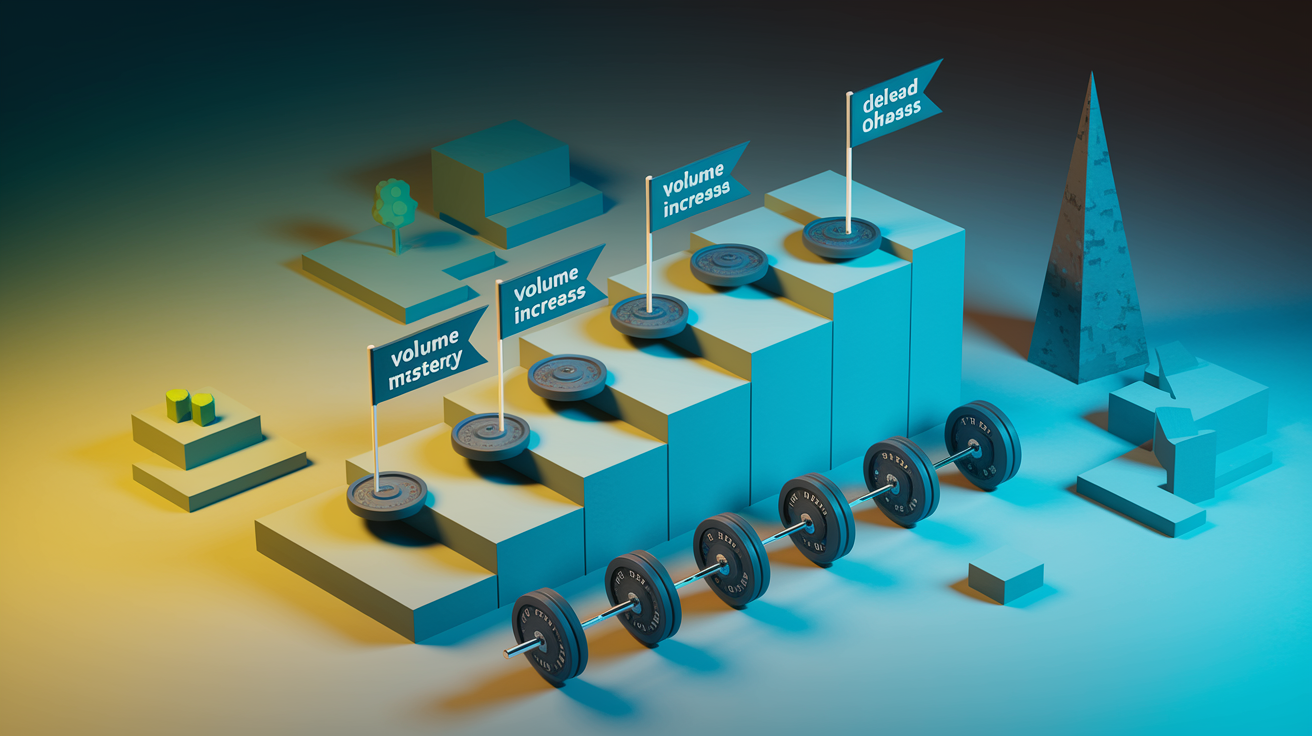
Sustainable progress requires a structured approach to increasing difficulty over weeks and months, not random jumps in weight or volume. Long term programming balances progressive overload with adequate recovery, ensuring you build strength without accumulating fatigue that leads to injury or burnout.
Foundational Progression Concepts
Progressive overload means gradually increasing the demand placed on your muscles by adding weight, reps, sets, or reducing rest intervals. Small, consistent increases compound into significant strength and body composition changes over time. Adding one repetition per week to your goblet squat or increasing your plank hold by five seconds every session creates measurable forward momentum without overwhelming your recovery capacity.
Three core principles for safe, effective progression:
- Add load only after you can complete all prescribed reps with clean form across every set.
- Increase volume (total sets × reps) before increasing intensity (weight lifted) when learning new movements.
- Deload every fourth or fifth week by reducing volume or intensity by 30 to 40 percent to allow full recovery and prevent overtraining.
Intermediate Strength Evolution
Once you can perform foundational movements with confident technique and consistent load, shift focus toward targeted variation and higher relative intensity. Intermediate trainees benefit from exercise rotation every four to six weeks to address weak points and prevent adaptation. Swap goblet squats for front squats, substitute Romanian deadlifts for conventional pulls, or replace standard planks with single arm variations that challenge anti-rotation strength.
Track one primary metric per lift and aim to improve it incrementally. If your goal is fat loss, prioritize adding repetitions at a fixed weight rather than chasing one rep max strength. This approach maintains higher training volume, burns more calories per session, and builds muscular endurance that supports longer, more productive workouts.
Postpartum Safety and Core Reintegration
Returning to strength training after pregnancy requires medical clearance from your doctor and a staged reintroduction to core loaded movements. Postpartum bodies need time to heal diastasis recti, pelvic floor dysfunction, and hormonal shifts that affect connective tissue integrity. Rushing back into heavy squats or high impact exercises increases the risk of injury and prolongs recovery.
Work with trainers qualified in pre and postnatal programming who can assess your movement quality and modify exercises based on your individual recovery timeline. Prioritize exercises like dead bugs, bird dogs, and gentle bridges that rebuild deep core coordination without excessive intra-abdominal pressure. Schedule a postnatal physiotherapy check-up to evaluate pelvic floor function and receive personalized guidance on safe progression. Listen to your body, accept regressions when movements don’t feel right, and remember that rest and gradual rebuilding produce better long term outcomes than forcing premature intensity.
Final Words
Squats, deadlifts, and focused core work put you in the action. They’re how strength training starts to chip away at belly fat.
This post walked through the why and the how: mechanisms, exercises, routines, nutrition, cardio balance, tracking, technique, lifestyle, and long‑term progression. You’ve got clear steps to follow.
Stick with the plan. Strength training for belly fat works when you’re consistent and patient. Small wins add up, so keep going.
FAQ
Q: Can you lose belly fat with strength training?
A: You can lose belly fat with strength training by building muscle, raising resting calorie burn, and reducing visceral fat systemwide; pair regular lifting with a modest calorie deficit and some cardio for best results.
Q: What is the 3-3-3 rule in gym?
A: The 3-3-3 rule in the gym commonly means three sets of three reps, a strength-focused template using heavier loads, longer rest, and gradual progression to build maximal strength safely.
Q: What exercise burns the most belly fat?
A: No single exercise burns only belly fat; full-body compound moves like squats, deadlifts, and kettlebell swings plus high-intensity circuits burn more calories and help reduce belly fat when paired with good nutrition.
Q: How to lose diabetic belly fat?
A: To lose diabetic belly fat, combine regular strength training with a modest calorie deficit, steady protein and fiber, carb monitoring, daily activity, and coordinate changes with your healthcare team for safe blood sugar control.