


Think lifting weights will wreck arthritic joints? Think again.
Strong, well‑performed resistance work often eases pain and improves function for people with arthritis.
When you build the muscles around a sore joint, they act like shock absorbers and take pressure off the joint.
This post shows the why and how: evidence that strength training helps, safe exercises to try, and simple progressions and tweaks to avoid flares.
Read on to learn practical, coach‑style steps you can use right away to reduce pain and move better.
How Strength Training Supports Arthritic Joints

Strength training is safe and beneficial for most people with arthritis when you use proper technique and don’t rush progression. Research shows that resistance exercise reduces pain, improves joint function, and helps maintain mobility without worsening joint damage. The key? Building muscle strength around affected joints takes pressure off cartilage and provides better structural support during daily activities.
Stronger muscles act like shock absorbers. When the muscles surrounding a knee, hip, or shoulder joint are conditioned through controlled resistance work, they handle more of the load during movement. Less stress on bone surfaces and connective tissue. This protective effect is especially valuable if you’re managing osteoarthritis or inflammatory arthritis, where joint integrity is already compromised.
Why strength training helps arthritic joints:
Reduced joint load. Muscle tissue absorbs force that would otherwise compress arthritic cartilage during walking, lifting, or standing.
Improved stability. Balanced strength around a joint prevents excessive side-to-side or rotational movement that can aggravate symptoms.
Better range of motion. Controlled resistance through a joint’s full movement path can maintain or restore flexibility that stiffness threatens to limit.
Lower inflammation markers. Some studies report measurable drops in systemic inflammation after weeks of consistent resistance training, particularly in rheumatoid arthritis populations.
How Strength Training Affects Arthritic Joints
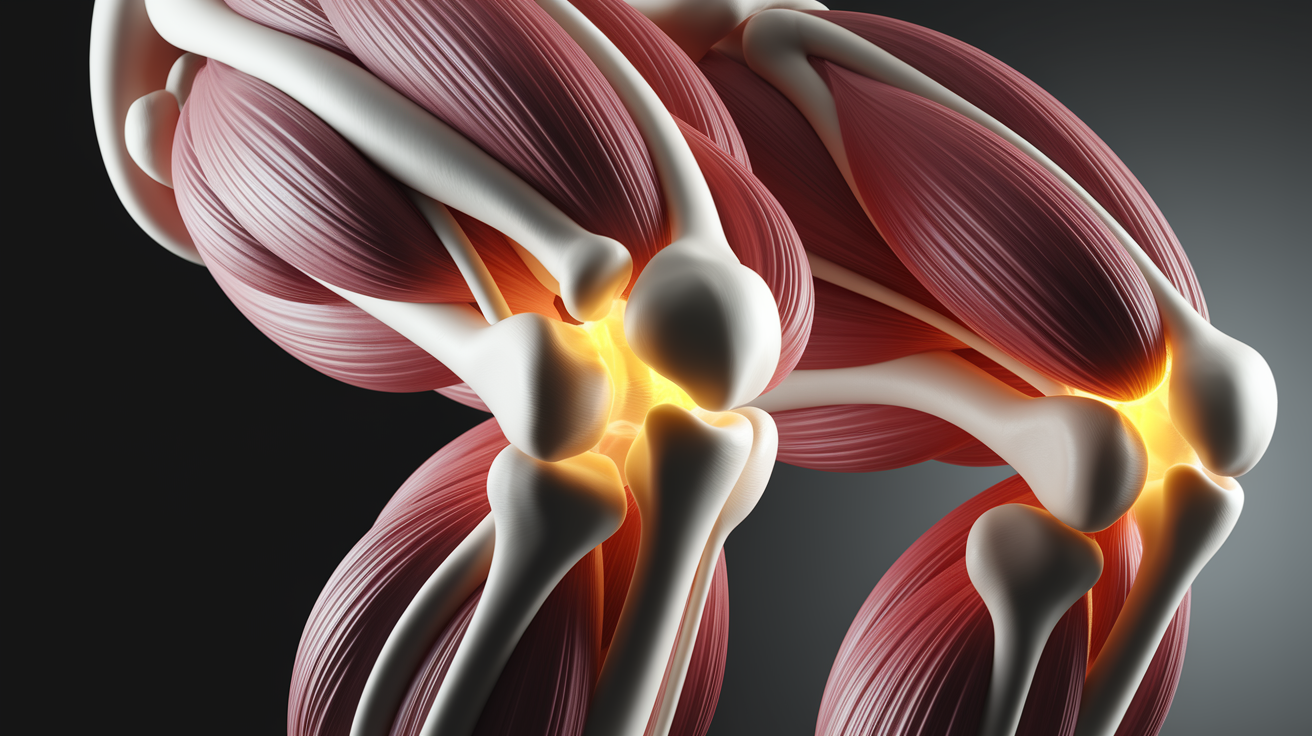
When you perform a resistance exercise, muscle fibers contract and pull on tendons, which attach to bones. That mechanical tension triggers adaptations: muscle cells grow slightly larger and recruit more efficiently, connective tissues remodel to handle the new demand, and bones respond by maintaining or even increasing density. For someone with arthritis, these changes mean the joint itself bears less of the total force during everyday tasks like climbing stairs or carrying groceries.
Controlled loading also encourages the joint capsule to produce synovial fluid, the natural lubricant that cushions bone surfaces. A longer warm-up before resistance work gives this process time to work, especially on days when morning stiffness is present. As muscles become stronger, they stabilize the joint more effectively during dynamic movements, which can reduce the micro-trauma that worsens cartilage wear over time.
Research in people with early rheumatoid arthritis has shown that twice-weekly strength training for two years increased muscle strength by up to 59 percent. Greater reductions in inflammation, pain, morning stiffness, and overall disease activity compared to range-of-motion exercises alone. A separate literature analysis in the journal Rheumatology found that strengthening muscles around affected joints improved function and eased pain in osteoarthritis populations. These findings suggest that resistance training doesn’t just build muscle for its own sake but actively supports the tissues and systems that arthritis disrupts.
Evidence‑Based Benefits of Strength Training for Arthritis
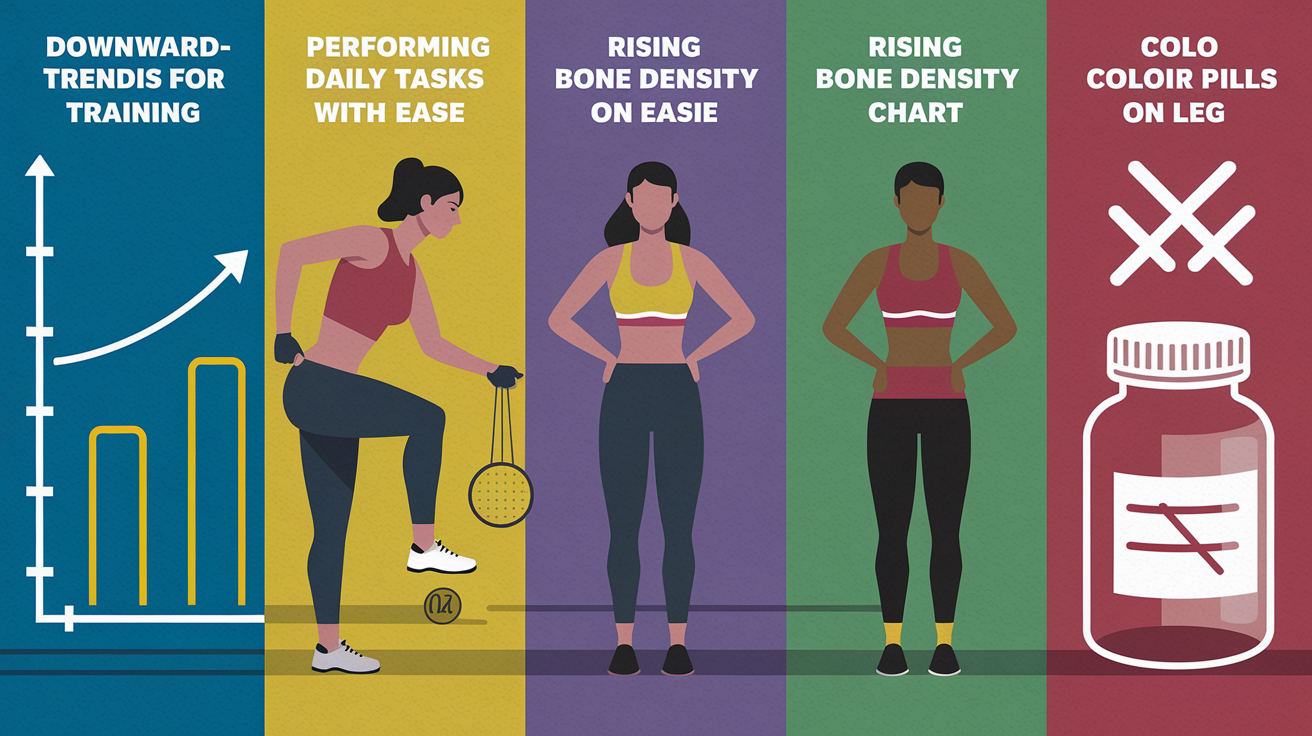
Decades of clinical trials and systematic reviews have documented measurable improvements when people with arthritis incorporate resistance exercise into their routine. Most studies report noticeable changes within six to twelve weeks of consistent training, with benefits continuing as long as the habit is maintained.
Five evidence-based benefits:
Pain reduction. Typical clinical trials show a 20 to 50 percent drop in reported pain levels over eight to twelve weeks. Stronger muscles reduce mechanical stress on inflamed or degenerating joint surfaces, which translates directly into less discomfort during and after activity.
Improved physical function. Gains of 10 to 30 percent in muscle strength and functional capacity are common. That means easier performance of daily tasks like standing from a chair, reaching overhead, or walking longer distances without fatigue.
Increased bone density. Resistance training gently stresses bones, prompting them to maintain or build density. This is especially important for people with rheumatoid arthritis or those taking corticosteroids, both of which accelerate bone loss and raise osteoporosis risk.
Better balance and fall prevention. Core and lower-body strengthening improves coordination and stability, lowering the chance of falls that can lead to fractures or additional joint injuries in older adults managing arthritis.
Reduced reliance on pain medication. Some studies report that participants who follow structured exercise programs use fewer analgesics over time, likely because the underlying joint mechanics and inflammation improve.
In the real world, these numbers mean someone who struggled to walk a block or lift a gallon of milk may regain the capacity to do both with confidence. Consistent strength training doesn’t reverse arthritis, but it can restore a margin of independence and comfort that many people assume is lost for good.
Safety Considerations Before Beginning

Even though strength training is safe for most people with arthritis, a few precautions reduce the risk of flare-ups or injury. The foundation of safe resistance work is gradual progression and attention to how your body responds during and after each session. Pain during exercise should stay mild to moderate, typically no higher than a 3 or 4 on a 0-to-10 scale, and it should return toward your baseline within 24 hours. If pain spikes above that level or lingers for days, the load or volume is too high.
Medical clearance is a smart first step, especially if you have recent surgery, uncontrolled inflammatory disease, severe osteoporosis, or cardiovascular conditions. A physiotherapist can design an individualized program that respects your joint limitations and builds strength where you need it most. Supervised sessions in the early weeks improve adherence and help you learn correct form before training alone.
Flare management also requires flexibility. During an acute inflammatory episode, heavy loading can worsen swelling and pain. On those days, gentle range-of-motion work, isometric holds, or aquatic exercise often keep muscles engaged without stressing inflamed joints. Once the flare settles, you can resume progressive resistance training.
Risk-reduction strategies:
Start light and progress slowly. Begin with a weight that allows 10 to 15 controlled repetitions, then increase load by only 5 to 10 percent when the target reps feel easy for two consecutive sessions.
Use proper technique. Controlled movement through a joint’s full range of motion, steady breathing, and stable posture prevent compensatory strain on other structures.
Monitor swelling and pain. If joint swelling persists beyond 48 hours or new pain develops, reduce the load and consult your clinician.
Recommended Strength Training Exercises for Arthritis

Low-impact resistance movements that target major muscle groups around affected joints are well-tolerated and effective. These exercises build strength without high-impact loading or rapid acceleration that can jar inflamed or degenerating cartilage. The goal is controlled effort through a comfortable range of motion.
Six arthritis-friendly exercises:
Glute bridge. Lie on your back with knees bent and feet flat. Lift your hips until your body forms a straight line from shoulders to knees. This move targets glutes and hamstrings, protecting the lower back and knees by strengthening the posterior chain.
Step-up. Step onto a low platform (6 to 12 inches), then step down. Vary the height and add light dumbbells as you progress. Step-ups mimic stair climbing with less joint stress than lunges.
Resistance band row. Anchor a band at chest height, pull handles toward your ribs, and squeeze your shoulder blades together. Rows strengthen the upper back, which supports healthy shoulder and neck alignment.
Wall or incline push-up. Place hands on a wall or bench and lower your chest, then press back up. This reduces wrist and shoulder load compared to floor push-ups while still building upper-body pressing strength.
Seated leg extension. Sit in a chair and extend one knee until your leg is straight, then lower slowly. This isolates the quadriceps, which stabilize the knee joint.
Biceps curl with dumbbells. Hold a light dumbbell in each hand, keep elbows close to your sides, and curl the weights toward your shoulders. Control the movement on the way down to build eccentric strength.
Proper movement control is more important than the amount of weight lifted. A slow, even tempo (about two to three seconds lifting and two to four seconds lowering) keeps tension on the muscle and reduces impact on the joint. If you feel sharp pain or your form breaks down, stop and reduce the load or switch to a bodyweight variation.
Modifications and Adaptive Techniques
No single exercise prescription works for everyone with arthritis. Joint pain, range-of-motion limits, and individual tolerance vary day to day, so having a toolbox of modifications keeps training consistent even when symptoms flare. Small adjustments in equipment, tempo, or range often make the difference between a painful session and a productive one.
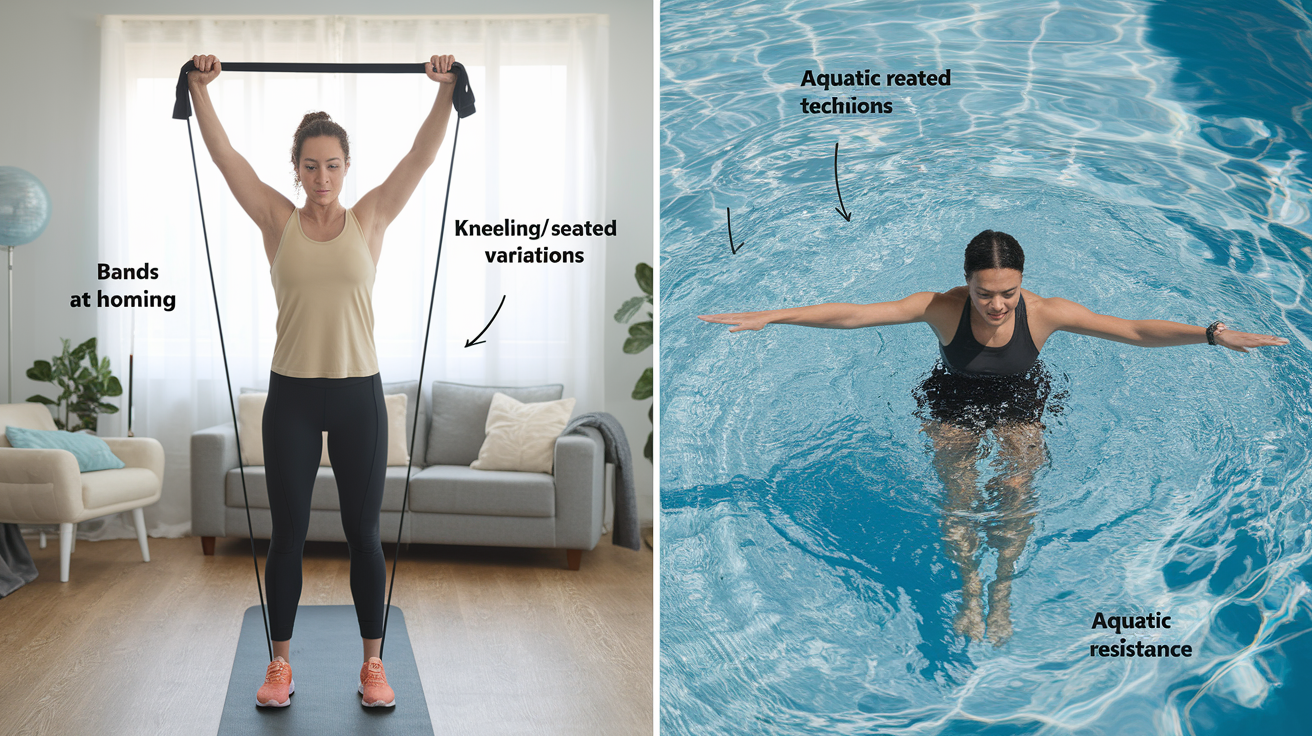
Lighter implements like resistance bands, ankle weights, or small dumbbells let you build strength with less absolute load on joints. Bands provide variable resistance that’s gentler at the start of a movement, when joints are most vulnerable. Slowing down the tempo (especially the lowering phase) increases time under tension without requiring heavier weights, which can be easier on inflamed or unstable joints.
Common and effective modifications:
Use dumbbells instead of barbells. Dumbbells allow each limb to work independently, which is helpful if one joint is weaker or more symptomatic. Unilateral work also improves balance and reveals strength imbalances early.
Reduce range of motion during flares. Partial squats, half push-ups, or isometric holds let you train muscles without moving a joint through its most painful arc. As symptoms improve, gradually restore full range.
Switch to kneeling or seated variations. Kneeling shoulder presses or seated rows reduce balance demands and lower-body loading, making upper-body work safer when hips or knees are irritated.
Try aquatic resistance training. Water’s buoyancy reduces joint load by up to 90 percent in chest-deep immersion, while drag provides natural resistance. Pool programs are widely available at community centers and can be a gentle entry point.
How to Start Strength Training When You Have Arthritis
Beginning a strength program with arthritis requires a clear, conservative plan that builds confidence and capacity without triggering setbacks. The first few weeks are about learning movement patterns, finding tolerable loads, and establishing a rhythm of training and recovery. Most people see measurable improvements within six to twelve weeks if they stay consistent.
Start with two to three sessions per week, spacing them at least 48 hours apart to allow muscle recovery. Each session should include a 5-to-10-minute warm-up (gentle walking, arm circles, or dynamic stretches) to increase blood flow and joint lubrication before you add resistance. On days when joint pain is higher, extend the warm-up or choose lighter exercises.
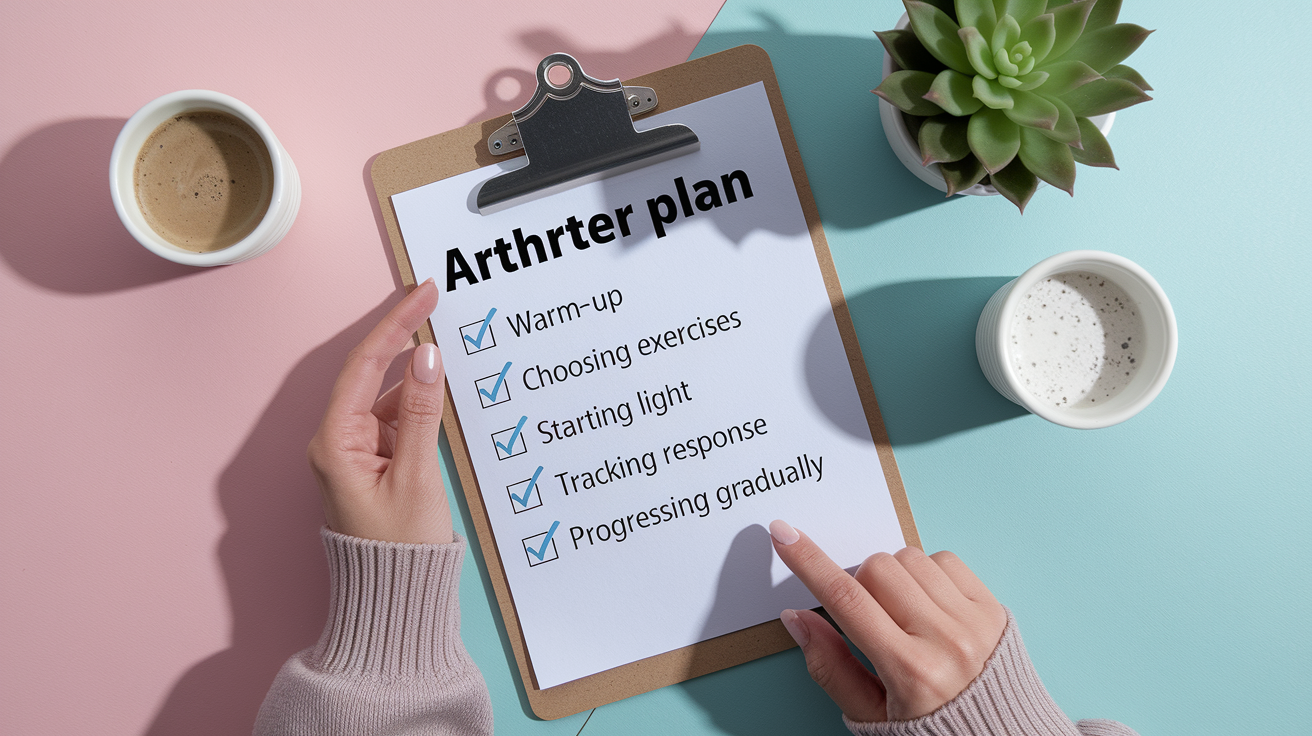
A simple five-step process for safe beginners:
Get medical clearance. Talk to your doctor or a physiotherapist, especially if you have inflammatory arthritis, recent surgery, or other health conditions. A professional can identify movements to avoid and tailor the program to your joints.
Choose 4 to 6 exercises. Pick one or two lower-body moves (glute bridge, step-up), one or two upper-body moves (band row, wall push-up), and one core exercise (modified plank). Cover major muscle groups without overloading any single joint.
Start light. Use a weight or resistance that allows 10 to 15 controlled repetitions. If you’re unsure, begin with bodyweight or a household item like a soup can, then progress to bands or light dumbbells.
Track your response. Note which exercises feel manageable and which cause pain that lingers beyond 24 hours. Adjust load, range, or tempo for any movement that consistently aggravates symptoms.
Progress gradually. When an exercise feels easy for two sessions in a row, increase the load by 5 to 10 percent or add one more set. Avoid jumping weight or volume too quickly, which is the most common cause of flare-ups in new trainees.
Final Words
Start lifting carefully: we covered how resistance work reduces pain, supports joints, and improves mobility when done with good form and steady progress. You saw the science, practical exercises, and safety steps.
Use lighter loads, slower reps, and simple modifications during flare-ups. Follow the 2 to 3 sessions per week starter plan and track symptoms.
Strength training and arthritis can be a safe, effective path to less pain and more function when you start smart and stay consistent. Small wins stack. Keep going.
FAQ
Q: What is the 3-3-3 rule at the gym?
A: The 3-3-3 rule at the gym is a simple strength template: three sets of three reps per exercise, using a heavy but controlled load with longer rests to build raw strength safely.
Q: Should I stop lifting weights if I have arthritis?
A: You shouldn’t automatically stop lifting weights if you have arthritis. Strength training can reduce pain and improve function—use lighter loads, strict form, avoid painful moves, and check with your clinician.
Q: What exercises should I avoid with arthritis?
A: Exercises to avoid with arthritis are high-impact, high-load, or twisting moves that cause joint pain. Examples: jumping, running on hard surfaces, heavy deep squats or lunges when painful, and jerky overhead lifts without control.
Q: What aggravates arthritis the most?
A: What aggravates arthritis the most is repetitive joint stress, sudden increases in activity, excess body weight, poor technique that overloads joints, and unmanaged inflammation or flare-ups.