

Want to get noticeably stronger without wasting years in the gym? Start with two facts: strength comes from lifting heavier over time and from recovering well between sessions. This post shows simple, science-backed training and recovery methods that work. Pick compound lifts, use progressive overload (slowly add weight), eat enough protein, and prioritize sleep and rest days. Read on for a clear plan you can use this week to lift more, avoid injury, and track real progress.
How to Build Strength: The Fastest, Most Effective Starting Point

If you want to get stronger starting today, there are three things you can’t skip: lift heavier weights over time, stick to compound movements, and eat enough protein for your body to recover. Strength doesn’t show up just because you walked into the gym. It’s what happens when you apply load consistently, recover between sessions, and fuel the process properly.
Here’s where to start:
Pick 4–6 compound exercises. Squat, deadlift, bench press, overhead press, barbell row, pull-up. These moves recruit multiple muscle groups and let you move serious weight without turning yourself into a pretzel.
Do 3–5 sets of 4–6 reps per exercise. This range builds max strength. If you’re cruising through all your reps with perfect form, the weight’s too light. Your last rep should take everything you’ve got without your technique falling apart.
Add weight every week or two. Tack on 2.5–5 pounds for upper-body lifts, 5–10 pounds for lower-body. When you hit the top of your rep range across all sets, bump it up. That’s progressive overload doing its thing.
Train each major muscle group 2–3 times a week. Frequency beats marathon sessions. Three full-body workouts spread across Monday, Wednesday, Friday will get you further than crushing legs once and calling it good.
Eat 1.6–2.2 grams of protein per kilogram of body weight daily. If you weigh 70 kg, that’s about 112–154 grams a day. Spread it across a few meals to keep muscle protein synthesis ticking along.
Rest 2–5 minutes between heavy sets. Your nervous system needs time to reset so you can produce maximum force on your next set. Cutting rest short just kills your output.
Track your lifts. Notebook, app, whatever works. Write down the exercise, weight, sets, reps. If the numbers aren’t climbing over time, something’s off.
These steps work together because strength is a skill your nervous system learns. It gets better at recruiting muscle fibers, your muscles adapt by getting stronger (and a bit bigger), protein gives your body the raw material for repair, and tracking keeps you honest about whether you’re actually progressing or just going through the motions.
Core Principles That Drive Muscle Strength Gains
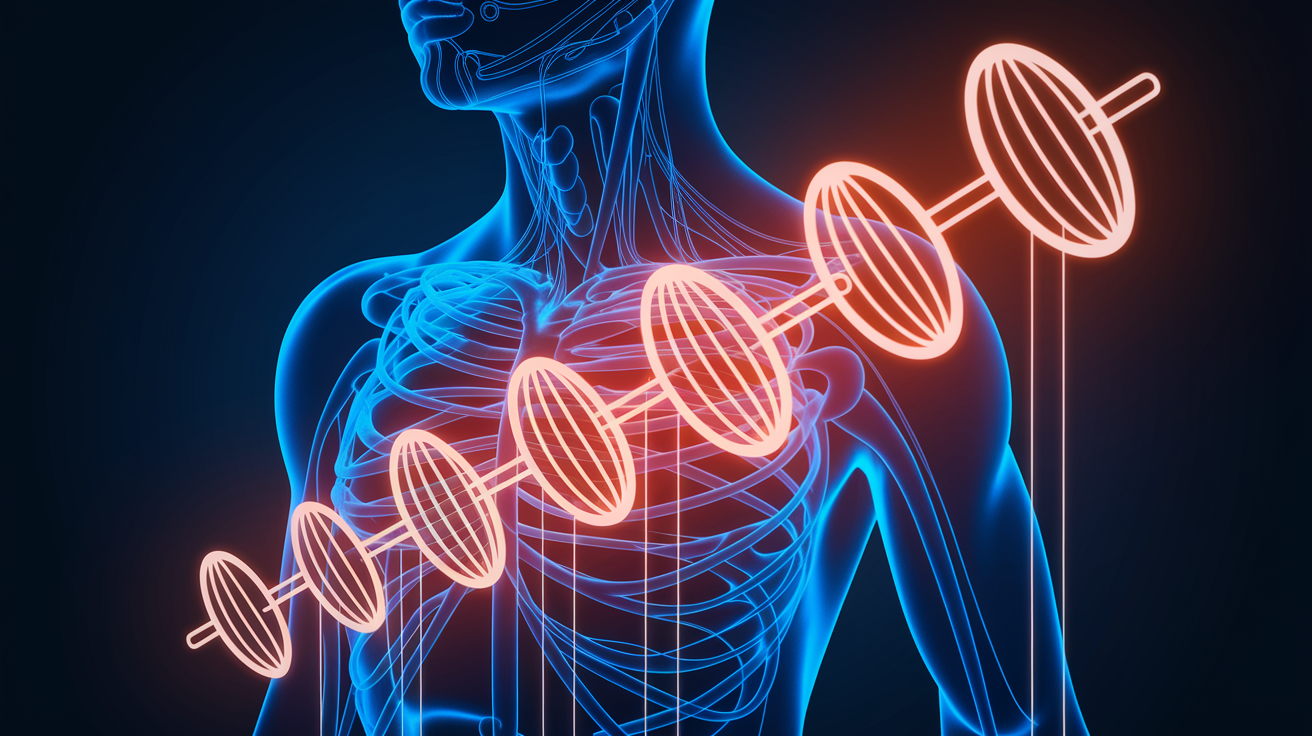
Progressive overload means you’re giving your muscles something they haven’t fully adapted to yet. When you lift a challenging weight, your body responds by improving how your nerves and muscles work together and, eventually, by making muscle fibers bigger. The adaptation happens because the load creates tiny damage and metabolic stress that trigger repair processes stronger than before.
Neuromuscular adaptation is your nervous system getting sharper. In the first month or two of a strength program, most gains come from better motor unit recruitment, tighter coordination, and less built-in safety braking from your brain. You learn to activate more muscle fibers at once and get them working together smoothly. That’s why beginners can slap 20–30 pounds onto their squat in the first few weeks without looking any different. The muscle was already there but sitting idle.
Structured progression stops you from spinning your wheels. If you squat 135 pounds for 5 reps every Monday for six months, your body has zero reason to adapt further. Small, planned bumps in load, reps, or sets every week or three force continued adaptation. When progress stalls, a planned deload week at lighter volume or intensity clears fatigue and lets supercompensation kick in.
Consistency with smart overload is what separates steady gains from stagnation.
The Most Effective Exercises for Building Strength

Exercise selection determines how efficiently you build strength. Compound movements let you load the most weight, recruit the most muscle, and get the biggest training effect per set.
The best lifts for total-body strength:
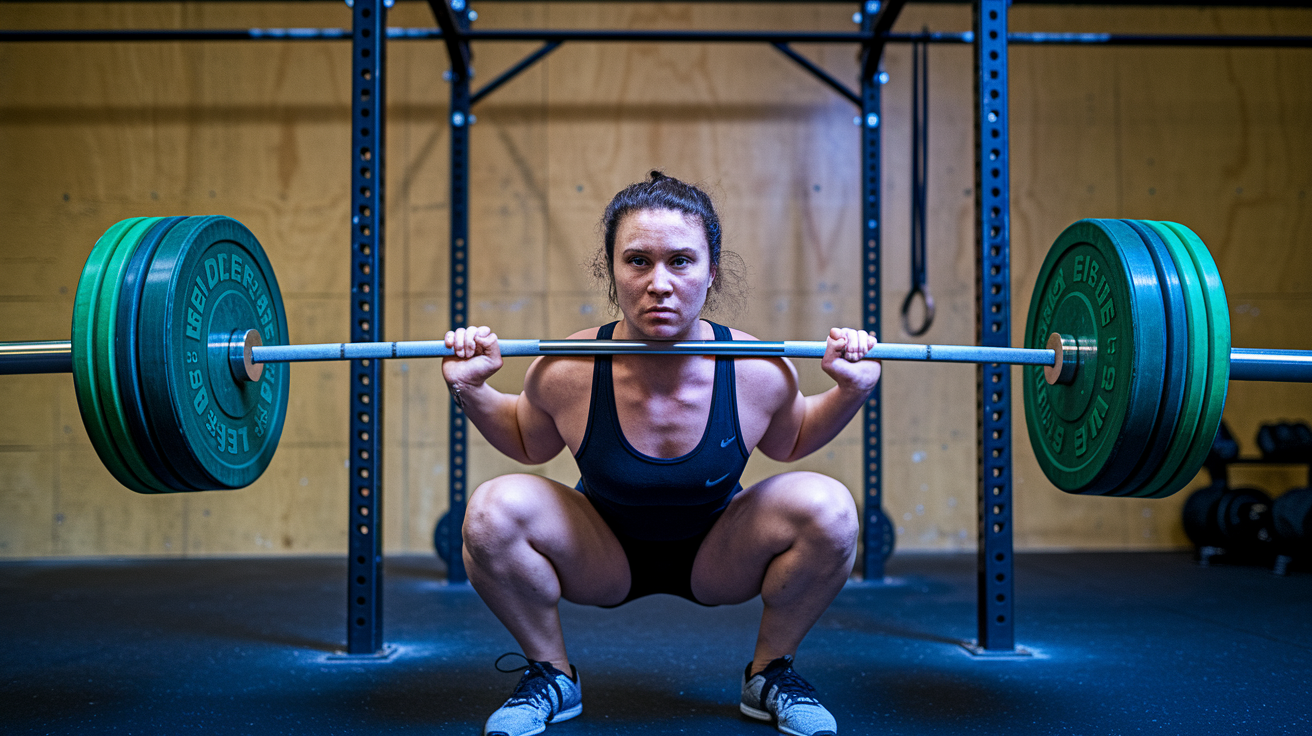
Back squat. Hits quads, glutes, hamstrings, core. Brace like you’re about to take a punch to the gut, sit back like you’re aiming for a low chair, keep your heels down.
Deadlift. Recruits hamstrings, glutes, lower back, traps, grip. Keep a flat back, slight knee bend, hinge at the hips. If your back rounds, drop the weight immediately.
Bench press. Builds chest, shoulders, triceps. Lower the bar to mid-chest with control, press explosively, use a spotter when you’re pushing close to failure.
Overhead press. Develops shoulders, triceps, upper-back stability. Start with the bar at shoulder height, brace your core, press straight up without excessive lower-back arch.
Barbell row. Strengthens lats, rhomboids, rear delts, biceps. Hinge forward, keep a neutral spine, pull the bar to your lower ribs with elbows tracking back.
Pull-up or chin-up. Hits lats, biceps, grip. Start from a dead hang, pull your chest to the bar, lower with control. Use a band or assisted machine if you can’t hit 5 clean reps yet.
Romanian deadlift. Isolates hamstrings and glutes with less lower-back demand than conventional deadlifts. Keep a slight knee bend and push your hips back until you feel a stretch in your hamstrings.
Lunges or split squats. Single-leg work improves balance, fixes strength imbalances, builds stability under load.
Do these movements 2–3 times per week in rotating sessions. Squat and bench on Monday, deadlift and overhead press on Wednesday, lighter squat variation with rows on Friday. This frequency gives each muscle group enough recovery while keeping the strength stimulus consistent.
How Nutrition Supports Muscle Strength Development

Protein is what your muscles use to repair and rebuild stronger after training. Shoot for 1.6–2.2 grams per kilogram of body weight daily. For a 75 kg person, that’s 120–165 grams spread across 3–5 meals. Each meal should have roughly 20–40 grams of quality protein to maximize muscle protein synthesis. Chicken breast, cottage cheese, eggs, Greek yogurt, lean beef. Complete proteins with all nine essential amino acids, including leucine, which flips the switch on muscle building.
Calories fuel the work and the adaptation. To gain strength while keeping fat gain minimal, eat 200–300 calories above your maintenance level daily. If you’re chasing max strength and don’t mind putting on some weight, 250–500 calorie surplus works well. Carbs should make up 45–65% of your total daily intake. Many athletes aim for the higher end. Carbs refill muscle glycogen, the stored fuel your muscles burn during heavy sets, and they spare protein for repair instead of energy. Prioritize carbs around training. A meal with 30–50 grams of carbs an hour or two before lifting and another 40–60 grams post-workout supports performance and recovery.
Creatine monohydrate is the most evidence-backed supplement for strength. Take 3–5 grams daily, any time of day. You can load with 20 grams per day split into four doses for 5–7 days, then drop to 3–5 grams maintenance. Creatine boosts phosphocreatine stores in muscle, letting you produce more force during short, intense efforts like heavy sets of 1–6 reps. Caffeine at 3–6 mg per kilogram of body weight, consumed 30–60 minutes pre-workout, sharpens focus and power output. For a 70 kg person, that’s 210–420 mg, roughly 1–2 cups of strong coffee.
Recovery Strategies That Improve Strength Gains

Strength gains happen during recovery, not during the workout. When you lift heavy, you create microtears in muscle fibers and drain energy stores. Your body rebuilds those fibers stronger and refills glycogen during the 48–72 hours after training. Training the same muscle group again before it’s recovered limits adaptation and raises injury risk.
Structure your week so each major muscle group gets at least two full days of rest before you train it hard again. If you squat heavy on Monday, your next lower-body session should be Thursday at the earliest. Upper-body work can happen on Tuesday and Friday without interfering. This rest window lets protein synthesis peak and muscle soreness resolve.
Sleep duration directly impacts strength performance and hormonal balance. Aim for 7–9 hours per night. Poor sleep tanks testosterone, spikes cortisol, wrecks muscle recovery, and crushes motivation and focus during training. Keep your bedroom cool, dark, quiet. Stop scrolling at least an hour before bed. Replace it with reading, journaling, or a short wind-down routine.
Chronic stress accelerates muscle breakdown and blunts adaptation. Manage it through 10-minute breathwork sessions, daily meditation, time outdoors, or professional support if you need it. Active recovery on off days, like light walking, stretching, or 5–10 minutes of mobility work, improves circulation and clears metabolic waste without adding training fatigue.
Beginner-Friendly Strength Training Plan

Beginners gain strength fastest with full-body workouts done 2–4 days per week. Each session trains all major muscle groups, giving you frequent stimulus without excessive fatigue. This plan uses two alternating workouts, A and B, repeated throughout the week.
| Workout A | Workout B |
|---|---|
| Squat 3×5 | Deadlift 1×5 |
| Bench Press 3×5 | Overhead Press 3×5 |
| Barbell Row 3×6–8 | Pull-ups 3×5–8 (or lat pulldown) |
| Plank 3×30–60 seconds | Romanian Deadlift 3×8 |
Run this Monday, Wednesday, Friday, alternating A and B each session. Week one: A, B, A. Week two: B, A, B. Start with weights that let you complete all prescribed reps with 1–2 reps left in reserve. Your form should stay clean through every rep.
Add 2.5–5 pounds to upper-body lifts and 5–10 pounds to lower-body lifts each week, as long as you hit all reps across all sets. If you miss reps two sessions in a row on the same lift, keep the weight the same and try again next session. After 4–8 weeks of steady progress, take a deload week. Drop the weight by 10–20% or cut total sets by half. This clears accumulated fatigue and prevents burnout.
Realistic first-month progress for beginners includes adding 15–30 pounds to your squat, 10–20 pounds to your bench press, and noticeable improvements in pull-up reps or lat pulldown weight.
Final Words
Start now: pick 2-4 compound lifts, use the rep/set ranges, and add a little weight or reps each week.
Keep protein and calories reasonable, sleep enough, and schedule rest. These let your work turn into real strength.
Follow the beginner A/B full-body plan 2-4 times per week, track loads and reps, and progress slowly so form stays clean.
For a clear next step on how to increase muscle strength, pick a starting weight you can lift with 1-2 reps in reserve and add a rep or small bit of weight each week. You’ve got this.
FAQ
Q: How do you keep muscle while on tirzepatide?
A: Keeping muscle while on tirzepatide requires prioritizing resistance training, eating enough protein (1.6–2.2 g/kg/day), avoiding large calorie deficits, using progressive overload, and getting good sleep; check with your clinician.
Q: What foods increase muscle strength?
A: Foods that increase muscle strength include lean proteins (chicken, fish, dairy), legumes, whole grains for energy, healthy fats, and creatine-containing sources like red meat; pair them with enough total calories and training.
Q: Can you gain muscle on TRT?
A: You can gain muscle on TRT when testosterone deficiency is treated alongside consistent resistance training, sufficient protein and calories, and medical supervision to optimize dose and monitor health markers.
Q: Can you build muscle with high cortisol?
A: You can build muscle with high cortisol, but it’s harder; manage stress and sleep, follow structured strength training, keep calories and protein up, and avoid chronic overtraining or excessive cardio.