

What if your palm is the best kitchen scale you own?
Stop guessing and start using easy, reliable cues that match your body and goals.
This short guide shows simple visual tricks: palm, fist, spoon, and clear per-meal gram targets so you hit protein for muscle, weight loss, or maintenance without overthinking.
You’ll get hand-size swaps, example foods, and quick rules for athletes, older adults, and meal prep.
Read on to learn one repeatable system that fits busy days and actually helps you get stronger.
Practical Meal-Level Protein Portioning Methods

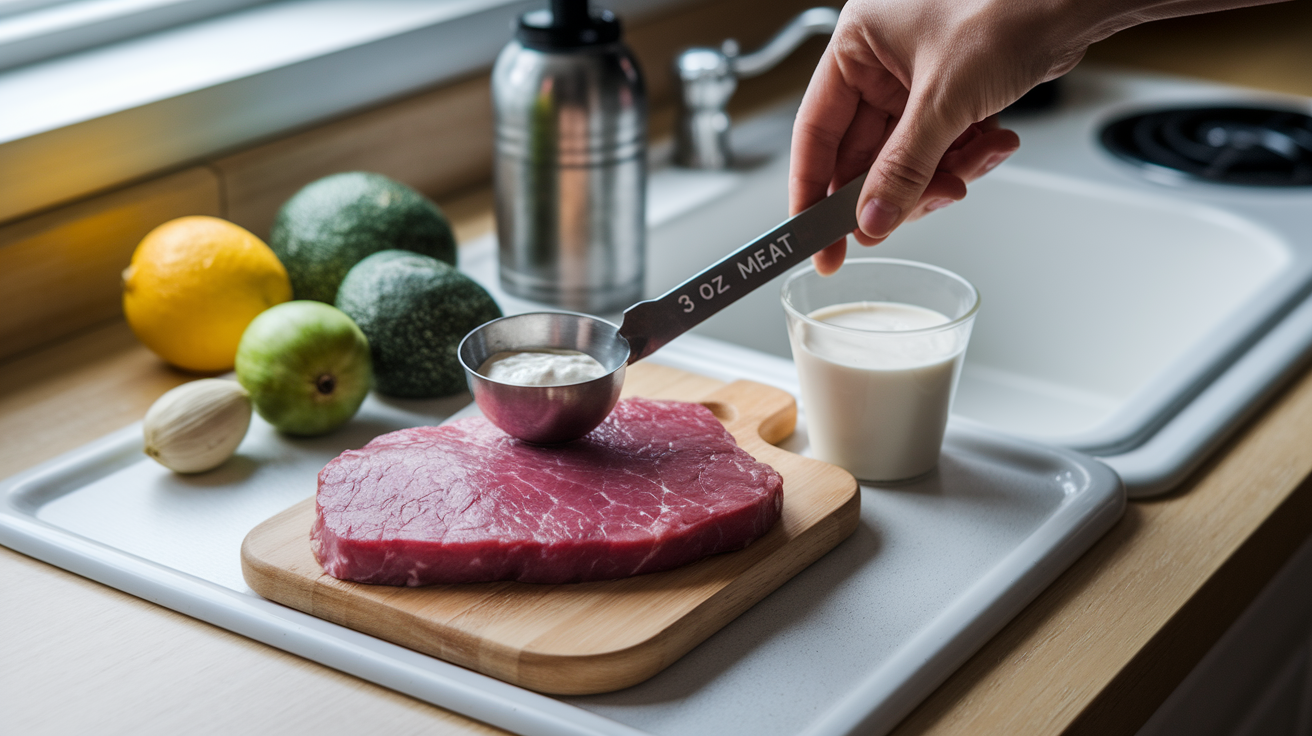
Your hand is the simplest tool you’ll ever use for portioning protein. Your palm? That’s roughly 3 to 4 ounces of cooked meat, fish, or chicken. About 20 to 30 grams of protein per meal. Clench your fist and you’ve got half a cup, perfect for cooked beans, lentils, or grains. Two tablespoons of nut butter fits on one heaping dinner spoon. Spread it on toast and you’re set.
These visual cues work because they scale with your body. Bigger person, bigger hands, bigger portions. And they’re with you everywhere.
Standard portion sizes from the USDA and FDA give you something consistent to work with. Three ounces of cooked meat or fish looks like a deck of cards. One cup of yogurt is about a cereal bowl or your closed fist. An ounce of nuts? That’s 23 almonds, 7 walnut halves, 49 pistachios, or 85 pumpkin seeds. Count them once, eyeball them after.
Half a cup of cooked beans is the front part of your fist. A typical can holds about 1¾ cups, so split one can across three or four meals and you’re being realistic.
These aren’t prescriptive rules. They’re labeling standards based on what most Americans actually eat. Adjust them to fit your training schedule, your goals, your appetite. If you’re lifting heavy three times a week, double that palm-sized chicken at lunch. Trying to lose weight? Stick closer to baseline. The visuals give you a repeatable system. Your results and how you feel tell you when to adjust.
Quick visual cues for protein portioning:
- Palm-size portion – 3 to 4 ounces cooked meat, poultry, or fish
- Deck of cards – another way to picture 3 ounces
- Clenched fist – 1 cup yogurt or ½ cup cooked beans/legumes
- Heaping dinner spoon – 2 tablespoons nut butter
- Nice-sized cereal bowl – 1 cup Greek yogurt or cottage cheese
- Ounce-count examples – 23 almonds, 7 walnut halves, 49 pistachios, 85 pumpkin seeds
Protein Portion Recommendations Per Meal by Body Weight
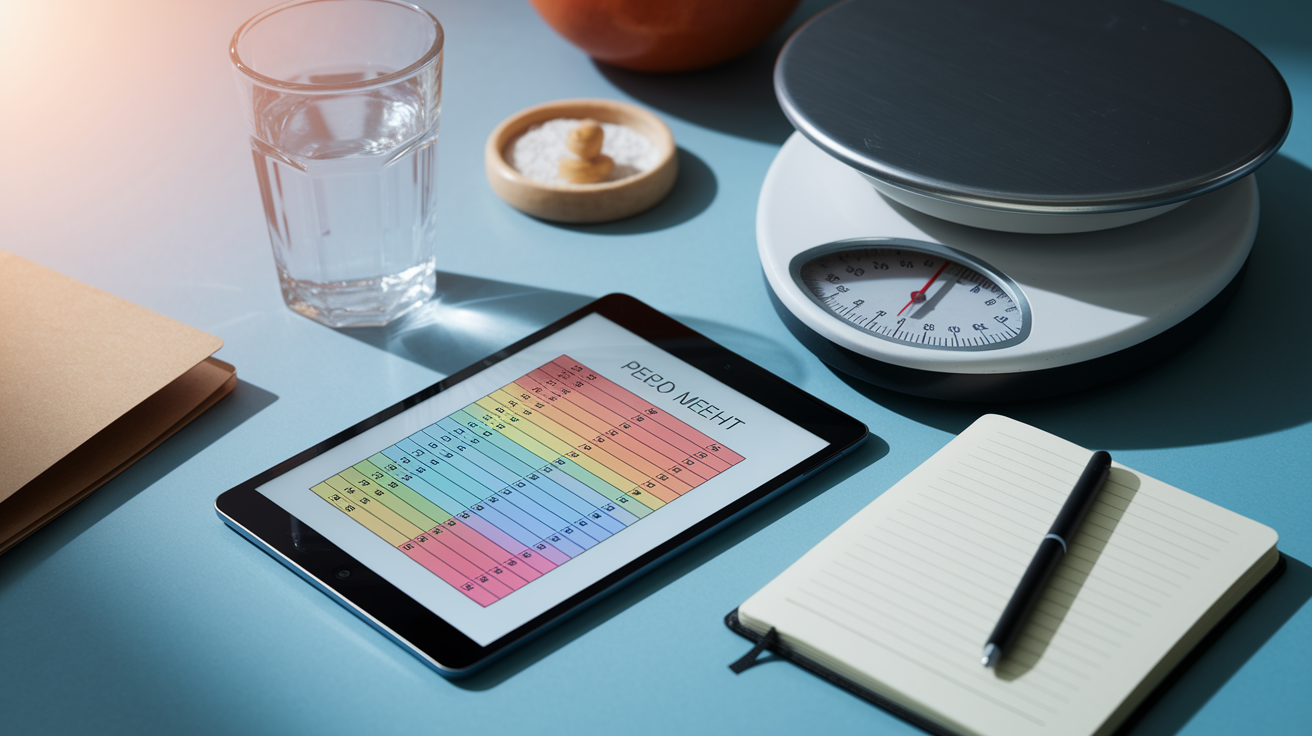
Start with your body weight in pounds. Multiply by 0.36 to get the RDA in grams. A 140-pound person needs about 50 grams of protein per day by that formula (140 × 0.36 = 50.4). Divide that by however many meals you eat, usually three or four, and you’ll know roughly how much protein belongs on your plate each time.
If you eat three meals, you’re looking at about 17 grams per meal. Four times a day? Drop it to around 13 grams per sitting. That RDA keeps most sedentary adults healthy, but it’s often too low if you’re training hard, trying to build muscle, or cutting calories while preserving what you’ve got.
Current research points to per-meal targets in the 20 to 40 gram range, especially when muscle protein synthesis or satiety matters. Spreading protein across meals beats loading it all at dinner. The table below applies the RDA formula to five common body weights and suggests a practical range when you split daily grams across three meals. Use these as starting points. Adjust based on what you’re doing and what you need.
| Body Weight (lbs) | Daily Protein (RDA, grams) | Suggested Protein Per Meal (3 meals, grams) |
|---|---|---|
| 120 | 43 | 14 – 20 |
| 140 | 50 | 17 – 25 |
| 160 | 58 | 19 – 30 |
| 180 | 65 | 22 – 35 |
| 200 | 72 | 24 – 40 |
Protein Portion Examples by Food Type

Every protein source comes with a different nutrient package. Rotate through a few favorites each week and your diet stays more balanced than sticking to one thing.
Three ounces of cooked tuna, salmon, haddock, or trout? Roughly 20 to 25 grams of protein plus omega-3 fats. Three ounces of turkey or chicken gives you similar protein with less fat, especially if you go for breast meat. Six ounces of plain Greek yogurt packs about 15 to 20 grams and works as breakfast or a snack. Half a cup of cottage cheese does the same thing, just savory.
Plant-based portions look different but hit the same targets when you combine them right. Half a cup of cooked beans (black beans, chickpeas, lentils) gives you about 7 to 9 grams of protein plus fiber. One egg? Roughly 6 grams. A cup of milk adds 8 grams. A quarter cup (one ounce) of nuts contributes about 5 to 7 grams depending on type. A cup of cooked pasta made from whole grains or legume flour can add 10 to 15 grams, turning a side into a protein contributor.
Mix and match these to build meals that feel satisfying without eating the same thing every day. Swap chicken for fish twice a week. Add beans to lunch instead of relying only on meat. Use eggs and yogurt to anchor breakfast. Variety improves your micronutrient intake and keeps things from getting stale.
Protein portion examples across common sources:
- 3 ounces cooked tuna, salmon, haddock, or trout
- 3 ounces cooked turkey or chicken breast
- 6 ounces plain Greek yogurt
- ½ cup cottage cheese
- ½ cup cooked beans (black beans, chickpeas, lentils)
- 1 cup milk (dairy or fortified plant-based)
- 1 egg (hard-boiled, scrambled, or poached)
- ¼ cup (1 ounce) nuts (almonds, walnuts, cashews)
Protein Portion Adjustments for Goals (Weight Loss, Muscle Gain, Maintenance)

Your protein portions shift when your goal changes, even if your total calories stay about the same.
Weight loss usually means higher protein per meal. You’re protecting muscle mass and keeping hunger down while cutting calories elsewhere. Muscle gain calls for similar protein amounts but often more total meals or snacks to hit higher daily grams without cramming it all into one sitting. Maintenance sits in the middle. Enough protein to support what you’ve built and what you’re doing, without obsessing over every gram.
For weight loss, aim for the higher end of the 20 to 40 gram per-meal range. Spread it across breakfast, lunch, dinner, and at least one snack. This keeps muscle protein synthesis firing multiple times per day, which matters when your body’s in a deficit and looking for fuel. For muscle gain, stay in that same 20 to 40 gram zone but add an extra meal or post-workout snack to push daily totals toward 1.6 to 2.2 grams per kilogram of body weight. Maintenance gives you flexibility. Stick to the lower end if your activity is light. Scale up on training days when your body needs more repair fuel.
Trade-offs matter when you increase protein. More protein usually means fewer calories from carbs or fat unless you’re actively adding total calories for muscle gain. Swap refined carbs (white bread, sugary snacks) for the extra protein rather than cutting out nutrient-dense whole grains or healthy fats. Your overall diet quality improves when protein replaces low-value calories, not when it crowds out vegetables, fruit, or essential fats.
| Goal | Protein Per Meal Range (grams) | Notes |
|---|---|---|
| Weight Loss | 25 – 40 | Higher protein preserves muscle during calorie deficit; improves satiety; spread across 3–4 meals/snacks. |
| Muscle Gain | 20 – 40 | Add extra meals or snacks to reach 1.6–2.2 g/kg body weight daily; prioritize post-workout timing. |
| Maintenance | 20 – 30 | Stick to RDA baseline or slightly above; adjust portions on training days; focus on nutrient-dense sources. |
Special Population Protein Portion Guidance

Pregnancy changes your protein needs significantly. The recommended range jumps to about 75 to 100 grams per day to support fetal growth, placenta development, and increased maternal blood volume. Spread that across four or five smaller meals instead of three large ones to manage nausea and energy dips. A typical day might look like two eggs at breakfast (12 grams), a palm-sized chicken portion at lunch (25 grams), a Greek yogurt snack (15 grams), and a fish or bean-based dinner (30 grams). You’re at around 82 grams without much effort.
Athletes and people training hard need more protein per meal and per day, usually 1.6 to 2.2 grams per kilogram of body weight. For a 160-pound athlete (about 73 kilograms), that’s roughly 117 to 160 grams daily. Divide that by four meals and you’re aiming for 30 to 40 grams per sitting. Prioritize protein after training sessions when muscle protein synthesis peaks. Don’t skip breakfast or you’ll spend the rest of the day playing catch-up.
Older adults benefit from higher per-meal protein to fight age-related muscle loss. Aim for at least 25 to 30 grams per meal rather than the RDA minimum. Choose high-quality sources like fish, eggs, dairy, and lean poultry. Seniors often eat smaller total volumes, so protein-dense foods (Greek yogurt, cottage cheese, eggs) make it easier to hit targets without feeling stuffed.
Kids need less total protein but still benefit from consistent portions at each meal. A palm-sized portion for a child is smaller than an adult’s, which works perfectly because their hands are smaller. Use the same visual cues (palm for meat, fist for beans, spoon for nut butter) and let their portion sizes scale naturally with their growth.
Protein Portioning for Meal Prep and Batch Cooking

Meal prep removes daily guesswork and keeps your protein portions consistent all week. Batch-cook one or two protein sources on prep day, portion them into individual servings, label each container with the cook date, and store them in the fridge or freezer. Cooked protein stays fresh in the refrigerator for up to four days, so plan accordingly. If you cook on Sunday, you’re covered through Wednesday. Freeze any portions you won’t eat by Thursday to preserve quality. Most cooked proteins hold up well in the freezer for two to three months.
Use a kitchen scale the first few times to dial in what three to four ounces of cooked chicken, salmon, or tofu actually looks like in your containers. After a week or two, you’ll estimate portions accurately by eye. Hard-boil a dozen eggs at the start of the week for grab-and-go protein that travels easily and needs zero reheating. Eggs keep in the fridge for about a week and deliver six grams of protein each, making them a low-effort snack or breakfast add-on.
Step-by-step batch-prep routine for consistent protein portions:
- Choose one or two protein sources for the week (chicken thighs, salmon, hard-boiled eggs, or cooked lentils).
- Cook everything in one session. Bake, grill, or simmer in bulk.
- Weigh and divide cooked proteins into 3 to 4 ounce servings using a kitchen scale.
- Pack each portion into an airtight container.
- Label every container with the cook date using a marker or masking tape.
- Store the next four days’ portions in the fridge; freeze the rest immediately.
- Reheat gently to preserve moisture. Add a splash of water or broth, cover, and warm on medium heat or in the microwave at 50% power.
Protein Portions for Plant-Based Eating

Plant-based proteins work best when you combine multiple sources in one meal rather than relying on a single item to hit your target. Half a cup of cooked lentils gives you about 9 grams of protein. Pair it with a cup of quinoa (8 grams) and you’re at 17 grams before adding any nuts, seeds, or greens. One ounce of almonds (23 whole nuts) adds roughly 6 grams. A tablespoon of hemp seeds sprinkled on top contributes another 3 grams. Stack these portions intentionally and you clear 25 grams per meal without meat, fish, or dairy.
Focus on nutrient-dense plant proteins that bring fiber, vitamins, and minerals along with the protein. Black beans, chickpeas, and lentils offer solid protein-to-calorie ratios and fill you up. Tofu and tempeh are versatile, easy to portion, and absorb whatever flavors you cook them with. Edamame, nutritional yeast, and whole grains like farro or bulgur all contribute smaller amounts of protein that add up when you build a full plate. Greek yogurt and cottage cheese work for vegetarians who include dairy, delivering high protein in compact portions.
Complementary proteins (grains plus legumes, or nuts plus seeds) create a complete amino acid profile over the course of a day, even if one meal skews heavier toward beans and another toward grains. You don’t need to pair them in every single meal. Just rotate through a variety of plant sources across breakfast, lunch, dinner, and snacks, and your body will assemble what it needs.
Plant-based protein portion examples emphasizing variety and pairing:
- ½ cup cooked lentils + 1 cup cooked quinoa = ~17 grams
- ½ cup cooked chickpeas + 1 oz almonds (23 nuts) = ~13 grams
- 4 oz firm tofu (about ½ block) = ~10 grams
- 1 cup cooked black beans + 2 tbsp hemp seeds = ~18 grams
- 6 oz plain Greek yogurt (vegetarian option) = ~15–20 grams
- 1 cup edamame (in pods) = ~17 grams
Common Protein Portioning Mistakes and How to Fix Them

Most people overestimate how much protein is in a portion of meat and underestimate how much is in plant sources. A restaurant steak is often six to eight ounces cooked, double the standard three ounce serving. At home, chicken breasts weigh five or six ounces each, so one breast might deliver 35 to 40 grams of protein. More than you need in one sitting if you’re spreading intake across meals. On the flip side, half a cup of beans seems small but actually provides a solid 7 to 9 grams. People skip it thinking it won’t make a dent.
Serving sizes printed on labels are reference standards, not prescriptive amounts. You can eat more or less depending on your daily target and activity level. The label helps you calculate totals, but it doesn’t mean you’re supposed to eat exactly one serving and stop. If your goal is 30 grams of protein at lunch and Greek yogurt lists one serving as 15 grams, eat two servings. Simple math.
Five common mistakes and quick fixes:
- Eyeballing meat portions without ever weighing them – Weigh portions for one week to learn what three ounces actually looks like, then estimate from there.
- Thinking beans and grains don’t count toward protein goals – Half a cup of lentils or chickpeas adds meaningful grams; include them in your daily tally.
- Loading all protein into one meal (usually dinner) – Spread protein across breakfast, lunch, and at least one snack to improve muscle protein synthesis throughout the day.
- Assuming serving sizes on labels are personalized recommendations – Labels show average intake data; adjust portions to fit your body weight, activity, and goals.
- Forgetting to account for protein in “sides” like pasta, milk, or nuts – Small amounts add up; a cup of whole-grain pasta or milk contributes 8 to 10 grams, which reduces how much you need from the main protein source.
Sample Meal Plans with Correct Protein Portions

Real meals show you how the numbers work when you actually sit down to eat. Breakfast with two scrambled eggs (12 grams) plus a cup of Greek yogurt (15 grams) delivers 27 grams before you pour coffee. Lunch with a palm-sized grilled chicken breast (25 grams) over a bed of greens hits the middle of the 20 to 40 gram per-meal target. Dinner with a three ounce salmon fillet (22 grams) and half a cup of lentils (9 grams) puts you at 31 grams. An afternoon snack of a quarter cup of almonds (6 grams) keeps protein steady between meals. Total for the day: around 91 grams, well above the RDA for most adults and in line with active or muscle-building goals.
| Meal | Protein Source | Portion Size | Approx Protein (g) |
|---|---|---|---|
| Breakfast | 2 scrambled eggs + 1 cup Greek yogurt | 2 eggs, 6 oz yogurt | 27 |
| Lunch | Grilled chicken breast over salad | 3–4 oz cooked chicken | 25 |
| Snack | Almonds | ¼ cup (1 oz) | 6 |
| Dinner | Baked salmon + ½ cup lentils | 3 oz salmon, ½ cup lentils | 31 |
Swap proteins based on what you have in the fridge or what fits your budget and preferences. The portion sizes stay the same, so the framework travels with you whether you’re cooking at home, packing lunch, or ordering out.
Four quick protein-boosting swaps to hit targets without extra prep:
- Swap regular yogurt for Greek yogurt to double protein in the same bowl.
- Add a hard-boiled egg to any salad or grain bowl for an easy 6 gram boost.
- Use whole-grain or legume-based pasta instead of regular pasta to pick up 5 to 10 extra grams per cup.
- Replace one snack per day (chips, crackers) with a quarter cup of nuts or two tablespoons of nut butter on toast for 5 to 7 more grams.
Final Words
Use the hand-size cues and body-weight math from this post to set per-meal protein that fits your day. Start with simple visuals and the quick list so you can portion without a scale.
We covered standard portions, food examples, goal-based tweaks, special populations, batch prep, plant-based swaps, and common mistakes, plus sample meal plans you can copy.
Treat this as your protein portioning guide. Try one change this week, track how it feels, and you’ll build from there. Small wins add up.
FAQ
Q: How do I portion protein using hand-size and visual cues?
A: You can portion protein using hand-size and visual cues: palm or deck-of-cards ≈ 3 oz cooked meat/fish, fist ≈ 1 cup (yogurt/beans), thumb ≈ 1 tbsp (nut butter), bowl ≈ 6 oz yogurt.
Q: What are standard portion sizes for common protein foods?
A: Standard portion sizes are 3 oz cooked meat/fish, 6 oz Greek yogurt, 1/2 cup cottage cheese or cooked beans, 1 egg, 1 cup milk, 2 tbsp nut butter, and 1/4 cup nuts.
Q: How much protein should I eat per meal based on body weight?
A: You calculate per-meal protein from body weight using 0.36 g per lb daily, then divide by meals; for example, a 140-lb person needs about 50 g/day, roughly 17 g per meal across three meals.
Q: How much protein per meal do I need for weight loss, muscle gain, or maintenance?
A: Protein per meal for goals: weight loss — aim 25–40 g/meal to preserve muscle; muscle gain — aim 30–40 g/meal to support growth; maintenance — 20–30 g/meal. Spread intake across the day.
Q: How should vegetarians and vegans portion protein?
A: Vegetarians and vegans portion protein with 1/2 cup cooked beans, 3–4 oz tofu or tempeh, 1 cup soy yogurt/milk, or 1 oz nuts; pair sources in a meal to reach about 20–30 g per meal.
Q: How do I batch-cook and store portioned proteins safely?
A: You batch-cook by dividing cooked protein into 3–4 oz servings, refrigerate up to 4 days, freeze 2–3 months, label dates, and use hard‑boiled eggs or sealed portions for easy grab-and-go meals.
Q: What are common protein portioning mistakes and how do I fix them?
A: Common mistakes are overestimating meat, undercounting beans/nuts, and ignoring labels; fix them by using hand cues, measuring legumes once, tracking nut ounces, and spreading protein across meals.
Q: How do I estimate nuts and seeds without a scale?
A: You can estimate 1 oz of nuts/seeds as roughly 23 almonds, 7 walnut halves, 49 pistachios, or 85 pumpkin seeds — about a small handful that equals one ounce.
Q: How should special groups adjust protein (pregnancy, athletes, seniors, kids)?
A: Special groups adjust protein like this: pregnancy ≈ 75–100 g/day; athletes 1.6–2.2 g/kg; older adults often need higher per-meal protein to keep muscle; kids follow age-based simplified portions.
Q: What simple meal swaps boost protein quickly?
A: You can boost protein with swaps: trade cereal for Greek yogurt, add an egg or canned tuna, stir beans into salads, or top meals with nut butter or a scoop of protein powder.