

Controversial: the scale lies, protein decides whether you gain muscle or just lose water.
If you’re a beginner lifting three times a week, recomposition means losing fat while building muscle.
That takes more protein than the WHO’s 0.8 g/kg survival guideline.
For most beginners the evidence-backed target is 0.8 to 1.0 grams per pound (1.8–2.2 g/kg).
This post gives clear daily numbers, when to pick the low or high end, and simple meal plans to hit your protein while training 3x weekly.
Clear Daily Protein Targets to Support Beginner Recomposition

Body recomposition is about losing fat while you’re building muscle. Not about what the scale says. You’re changing your body’s ratio of fat to muscle, and to pull that off, you need more protein than what’s recommended just to stay healthy. The WHO’s baseline of 0.8 grams per kilogram keeps you alive. It won’t help you build muscle while cutting fat. Recomposition puts your body under two competing demands at once, and protein is what lets both happen.
For beginners lifting three times a week and chasing recomposition, the daily protein target backed by research is 0.8 to 1.0 grams per pound of bodyweight. You can also think of it as 1.8 to 2.2 g/kg if you prefer metric. Use the lower end if you’re eating close to maintenance calories. Go higher if you’re running a modest deficit or if you’re not seeing strength gains after a few weeks. This range has been tested across multiple studies and consistently supports muscle retention during fat loss and muscle gain during early training.
Three full-body sessions per week creates enough stimulus to build muscle. It’s well above the minimum threshold of two strength sessions recommended for muscle retention. That frequency, combined with high daily protein, creates the right conditions for recomposition. Your body repairs and builds muscle on rest days too, so you need consistent protein every single day. Not just on training days.
Quick protein math for three common bodyweights:
- 120 lb beginner: 96 to 120 g protein per day
- 150 lb beginner: 120 to 150 g protein per day
- 180 lb beginner: 144 to 180 g protein per day
How Protein Supports Muscle Gain and Fat Loss During a 3x/Week Routine
Protein does two things during recomposition. First, it provides the amino acids your muscles need to repair and grow after resistance training. Second, it protects existing muscle when you’re eating fewer calories than you burn. When you lift weights, you create micro-damage in muscle fibers. Your body responds by triggering muscle protein synthesis, the process that rebuilds those fibers stronger and sometimes bigger. Without enough protein, that process stalls.
High-protein diets preserve lean body mass even when people are in a calorie deficit. They improve fat loss outcomes compared to lower-protein approaches at the same calorie level.
Research on muscle protein synthesis shows that eating at least 20 grams of protein per meal is enough to stimulate the anabolic response. But more recent studies found that 40 grams of whey protein produced a greater muscle protein synthesis response than 20 grams, and a 70-gram serving of beef increased MPS more than a 35-gram serving. That doesn’t mean you need massive portions at every meal. It does mean beginners don’t need to worry about a strict per-meal cap. Spreading your daily protein across three to five meals keeps muscle protein synthesis elevated throughout the day and makes hitting your total easier.
A three times per week full-body routine fits perfectly with these protein principles. You’re training often enough to signal growth, but you’re not overtraining. The 48-hour recovery period between sessions gives your body time to use dietary protein for repair and adaptation. Keep your daily protein consistent on both training and rest days to support that ongoing work.
Understanding Different Methods for Personalizing Your Protein Intake
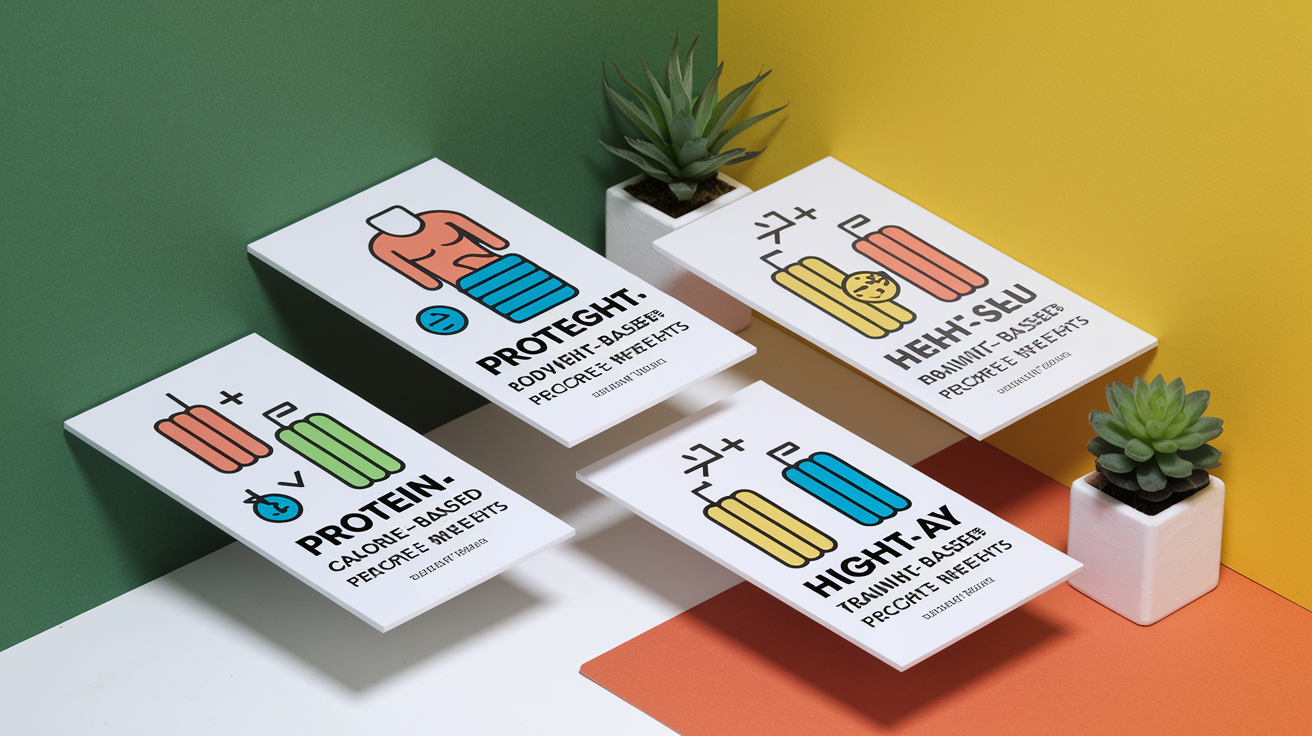
Not everyone calculates protein the same way. Different methods prioritize different factors like simplicity, body composition, calorie context, or training load. Some people like the precision of bodyweight formulas. Others prefer the flexibility of calorie percentages.
Four common methods and when to use each:
-
Bodyweight-based (grams per pound or kilogram): This is the most straightforward and evidence-backed method. It scales with your size and works whether you’re cutting, maintaining, or bulking. Best for most beginners who want a clear daily number to hit.
-
Calorie-percentage method (like 30% of total daily calories from protein): This approach adjusts protein automatically when you change your calorie intake. It’s useful if you’re experimenting with different deficit sizes or refeed days, but it can under-supply protein if calories drop too low.
-
Height-based formula (1 gram per centimeter of height): Designed as a quick estimate for individuals carrying significant body fat. It avoids inflating protein targets based on fat mass. Best if you’re overweight or obese and want a simplified starting point.
-
Training-day contextual adjustments: Some lifters raise protein slightly on workout days and reduce it on rest days, or they pair higher carbs with steady protein on training days. Useful for intermediate trainees who want to fine-tune around performance. Usually unnecessary for beginners.
| Method | What It Prioritizes | When It’s Most Useful |
|---|---|---|
| Bodyweight-based | Lean mass and training stimulus | Most beginners; clear, scalable target |
| Calorie-percentage | Macro flexibility within calorie budget | Variable calorie intake or refeed cycles |
| Height-based | Simplicity for higher body fat levels | Overweight individuals seeking a quick estimate |
Practical Protein Distribution and Timing for Recomposition Results
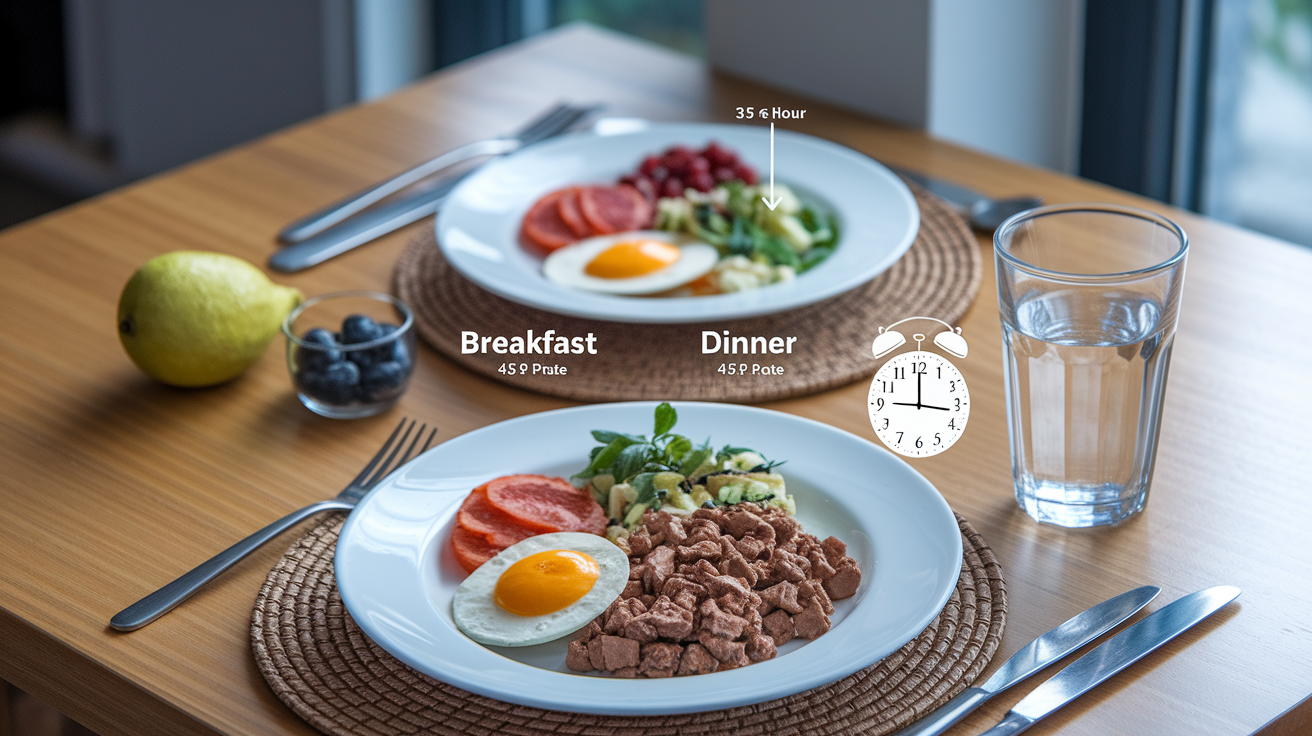
Total daily protein matters more than timing. But spreading your intake across the day keeps muscle protein synthesis active and makes it easier to hit your target without forcing huge meals. Aim for roughly 25 to 40 grams of protein per meal. That range is practical, supports satiety, and delivers enough leucine (the amino acid that triggers muscle protein synthesis) to maximize each feeding opportunity. If you eat three meals a day, you’ll land in that range naturally when targeting 120 to 180 grams total. If you prefer four or five smaller meals, you can drop to the lower end of the per-meal range.
On training days, keep your pre-workout and post-workout meals within about four to six hours of each other. You don’t need to sprint to the kitchen within 30 minutes of finishing your last set. That old “anabolic window” idea has been mostly debunked. What matters is that you’ve eaten protein relatively close to your session, either before or after. If you train fasted in the morning, eat a protein-rich meal as soon as possible afterward to kick-start recovery. A 20 to 40 gram post-workout serving is a reasonable target and aligns with research showing benefits for muscle protein synthesis.
Pre-sleep protein is an optional strategy. Eating around 40 grams of protein before bed can support overnight muscle protein synthesis, but the effect is small if your daily intake is already high. If you’re consistently hitting 0.8 to 1.0 grams per pound, don’t stress about a bedtime shake. If it helps you reach your total or you prefer eating later in the evening, include it.
Sample meal distribution for a 150 g/day protein target:
- Three meals: 50 g breakfast, 50 g lunch, 50 g dinner
- Four meals: 40 g breakfast, 40 g lunch, 40 g dinner, 30 g snack
- Five smaller meals: 30 g each
- Three meals plus pre-sleep: 35 g breakfast, 40 g lunch, 40 g dinner, 35 g before bed
Best Protein Sources for Beginners Aiming for Recomposition
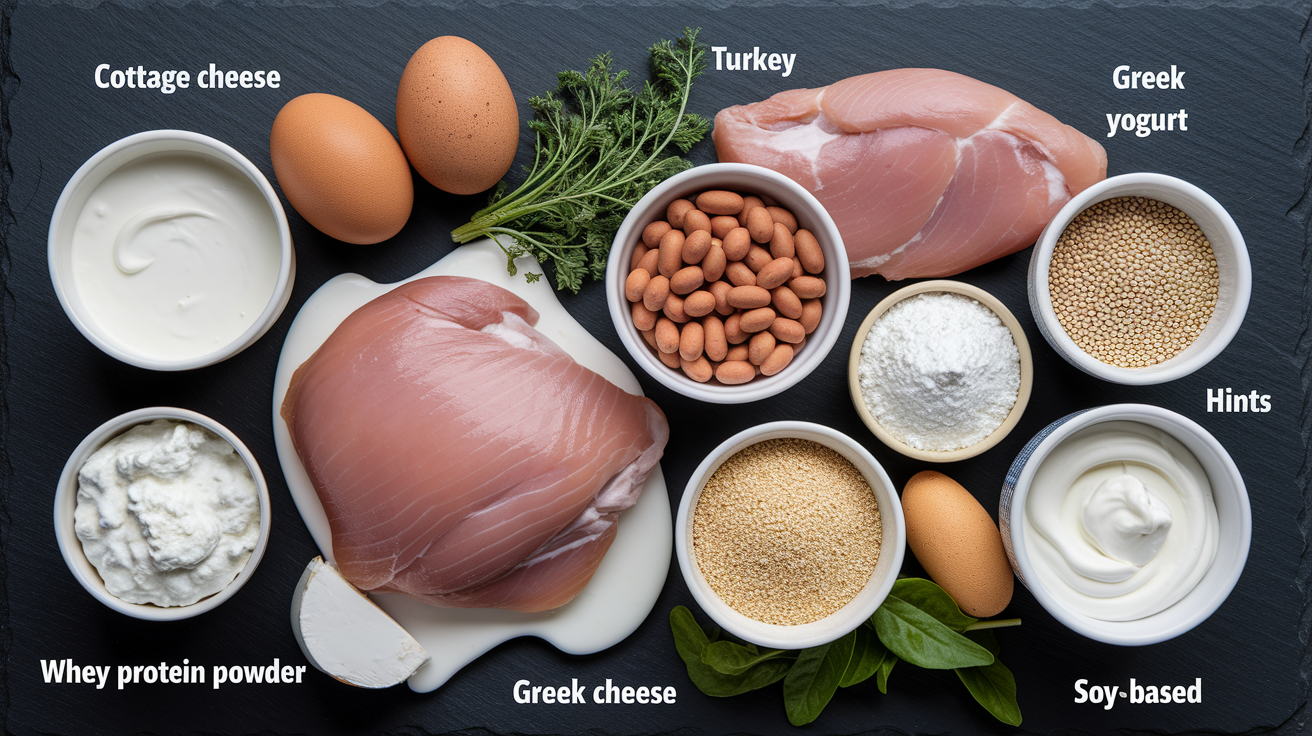
Protein quality matters because not all protein sources deliver the same amino acid profile or the same amount of leucine per serving. Leucine is the key trigger for muscle protein synthesis, and you want about 3 grams of leucine per meal to maximize that response. Animal proteins tend to be leucine-dense and calorie-efficient. One scoop of whey isolate (around 29 grams of protein) gives you roughly 3 grams of leucine for about 145 calories. A serving of chicken breast with 40 grams of protein hits the same leucine target at around 200 calories. Whole wheat bread, by contrast, would require over 2,000 calories’ worth to reach 3 grams of leucine. That shows why protein quality and density matter when you’re also managing a calorie target.
Plant-based lifters can absolutely meet recomposition protein needs, but it usually requires higher total protein intake or the use of high-quality protein powders. Soy protein isolate and blended pea-plus-brown-rice powders can supply 3 grams of leucine for under 200 calories, putting them on par with animal options. Whole-food plant proteins like lentils, beans, and tofu are excellent for overall nutrition, but you’ll need larger portions to match the leucine and total protein density of meat, dairy, or eggs.
Top protein sources for beginner recomposition:
- Chicken breast (lean, versatile, about 30 to 40 g protein per standard serving)
- Turkey breast (similar profile to chicken, slightly leaner)
- Extra-lean ground beef or bison (adds variety, includes some healthy fats)
- White fish like cod or tilapia (very lean, mild flavor)
- Eggs and egg whites (whole eggs add healthy fats; whites are nearly pure protein)
- Cottage cheese and Greek yogurt (high protein, convenient, good for snacks or pre-sleep)
- Soy-based foods and high-quality plant protein powders (best plant options for leucine content and amino acid balance)
How Training 3x/Week Influences Your Protein Needs
Strength training at least two days per week is enough to maintain muscle mass. Three sessions per week is where beginners start seeing consistent muscle growth alongside fat loss. A three times per week full-body routine hits all major muscle groups with compound exercises like squats, bench presses, rows, and overhead presses. That frequency creates a steady training stimulus without overloading recovery capacity, and it pairs well with the daily protein targets we’ve covered.
Training raises your body’s demand for amino acids. On the days you lift, your muscles are actively repairing and adapting. On rest days, the rebuilding process continues in the background. That’s why your protein intake should stay consistent every day. Not just on workout days. Some beginners make the mistake of eating more protein only after training, but muscle protein synthesis stays elevated for 24 to 48 hours post-session. If you skip protein on rest days, you’re missing a big chunk of the recovery window.
Progressive overload is the practice of gradually increasing the weight, reps, or volume you lift over time. It’s the main driver of muscle growth, and it works hand in hand with high protein intake. Research suggests limiting weekly weight increases to around 10 percent to allow your muscles and connective tissues to adapt safely. When you combine progressive overload with 0.8 to 1.0 grams of protein per pound, you’re giving your body everything it needs to respond to training with real muscle gain. Even in a calorie deficit.
| Training Day | Goal | Protein Notes |
|---|---|---|
| Monday (Workout) | Full-body strength session | Hit daily target; include post-workout meal within 4 to 6 hours |
| Wednesday (Workout) | Full-body strength session | Hit daily target; include post-workout meal within 4 to 6 hours |
| Friday (Workout) | Full-body strength session | Hit daily target; include post-workout meal within 4 to 6 hours |
| All Rest Days | Recovery and adaptation | Maintain same daily protein target to support muscle protein synthesis |
Calorie Strategy and How to Adjust Protein for Recomposition
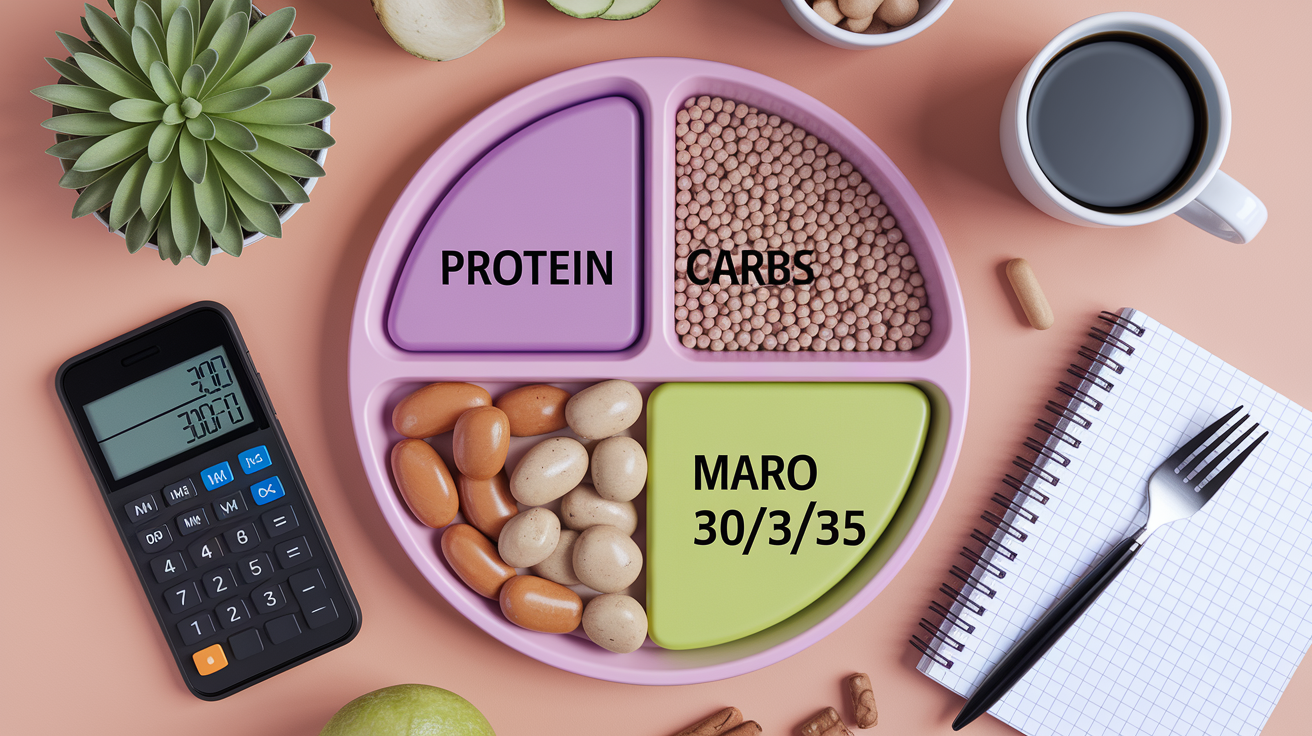
Recomposition doesn’t require extreme calorie restriction. Cutting calories too hard will cost you muscle and stall progress. The standard approach is to find your maintenance intake first. Track what you eat for seven to fourteen days without changing your habits, and then subtract 300 to 500 calories per day to create a modest deficit. That size deficit supports fat loss at a safe rate of roughly one to two pounds per week while leaving enough energy to fuel training and recovery.
Your protein target should stay at 0.8 to 1.0 grams per pound of bodyweight even when you’re in a deficit. Protein is the one macro you don’t reduce when cutting calories. Instead, you adjust carbohydrate and fat intake to hit your calorie goal. A typical beginner recomposition macro split looks like 30 to 35 percent of calories from protein, 30 to 35 percent from carbs, and 30 to 40 percent from fats. On refeed or higher-carb training days, you might shift to around 50 percent carbs, 20 percent fat, and keep protein steady at 30 percent. The key is that protein stays consistent no matter how you cycle calories or carbs.
Five signs you should adjust calories or protein:
- You’re losing strength on your main lifts week after week
- You’re losing weight faster than two pounds per week consistently
- You’re not losing any body fat after four to six weeks
- You feel constantly fatigued or can’t recover between workouts
- Your measurements and progress photos show muscle loss (shrinking arms, legs, or chest while waist stays the same)
Tracking Progress and When to Adjust Your Protein Intake

Recomposition progress is slower and less linear than pure bulking or cutting, so you need reliable tracking methods that go beyond the bathroom scale. Your scale weight might not change much at all during the first few months of recomposition, especially if you’re gaining muscle at roughly the same rate you’re losing fat. That’s normal. Actually a sign things are working. What matters is your body composition, your strength, and how your clothes fit.
Beginners can expect to gain about one to two pounds of muscle per month during the first six to twelve months of consistent training, and they can lose one to two pounds of fat per week depending on the size of their calorie deficit. Those rates aren’t perfectly synchronized, so some weeks you’ll see the scale drop. Other weeks it might go up slightly, and some weeks it won’t move. Track your waist measurement, hip measurement, and upper-arm circumference every two to four weeks. Take progress photos in the same lighting and pose. Log your main lift numbers (squat, bench press, overhead press, row) every session or every week. If those lifts are going up and your waist is going down, you’re on track.
If you start losing strength or your measurements suggest muscle loss, bump your protein intake toward the higher end of the range. Closer to 1.0 gram per pound. Consider reducing your calorie deficit slightly. If you’re not losing any fat after six weeks, tighten your calorie tracking, add a bit more daily movement, or increase your deficit by 100 to 200 calories while keeping protein high. If you’re maintaining weight but not gaining muscle and your lifts have stalled, you might need a small calorie surplus on training days while keeping protein and progressive overload consistent.
Four reliable ways to track recomposition progress:
- Weekly photos in consistent lighting, clothing, and poses
- Waist, hip, and arm measurements taken every two to four weeks
- Strength performance logged for your main compound lifts
- Body fat percentage estimates using calipers, tape measures, or progress comparisons (not daily scale readings)
Final Words
Start by hitting the daily protein range we gave, about 0.8–1.0 g per pound, and spread it across 3–5 meals with a solid post-workout feed.
That amount supports muscle protein synthesis during a 3x/week full-body plan, helps preserve strength in a modest calorie deficit, and gives you clear numbers to track.
Use the beginner’s protein targets for recomposition while lifting 3x per week as your default. Keep it simple, log your strength and body changes, and you’ll keep getting stronger.
FAQ
Q: Is working out 3 times a week enough for body recomp?
A: Working out three times a week can be enough for body recomposition when sessions are full‑body resistance training, use progressive overload, and you support them with higher protein intake (about 0.8–1.0 g/lb daily).
Q: What is the 30 30 3 rule for protein?
A: The 30 30 3 rule for protein means aiming for roughly 30 grams of protein per meal, targeting a protein dose soon after training (about 30 minutes to a few hours), across three solid protein-containing meals.
Q: What is the 3-3-3 rule in gym?
A: The 3-3-3 rule in the gym is a simple beginner template: train three times per week, choose three main lifts each session, and perform about three working sets per lift to build consistency and strength.
Q: How much protein per day for recomposition?
A: Protein per day for recomposition is 0.8–1.0 grams per pound of bodyweight (1.8–2.2 g/kg); for example, a 150 lb person would aim for about 120–150 g/day.