

Think you can’t build real strength on a plant-based diet?
Think again.
Plant proteins need a bit more attention, but with the right amounts and timing you can match results from animal-based plans.
Aim for about 1.8 g protein per kg of bodyweight each day, hit 2–3 g leucine per meal, and spread protein across 3–5 meals with solid pre/post carbs and a post-workout protein dose within an hour.
This post gives the simple numbers and meal examples you can use today.
Practical Plant Protein Portioning Guidelines for Strength Training
You need at least 1.8 grams of protein per kilogram of bodyweight each day if you’re training for strength on a plant-based diet. That number bumps up slightly because plant proteins don’t absorb quite as well as animal sources. The research-backed range for strength athletes sits between 1.6 and 2.2 g/kg, but shooting for 1.8 g/kg gives you room to breathe.
Here’s the math in real life: a 90 kg athlete multiplies 90 × 1.8 and lands at 162 grams of protein daily. If you’re very lean or cutting calories to drop fat while keeping muscle, think about pushing closer to 2.4 g/kg. Use your total bodyweight for these calculations, not some estimate of lean mass. Keeps things simple.
Each meal should clear a leucine threshold of at least 2 to 3 grams. Leucine tells your muscles to start building. Soy products, seitan, and solid plant protein powders are your best bets for hitting that mark. When you’re picking a powder, check the label for at least 2 grams of leucine per serving.
Sample per-meal protein targets based on bodyweight:
- 60 kg athlete (1.8 g/kg = 108 g/day): aim for 25–30 g protein across 4 meals
- 70 kg athlete (1.8 g/kg = 126 g/day): aim for 30–35 g protein across 4 meals
- 80 kg athlete (1.8 g/kg = 144 g/day): aim for 35–40 g protein across 4 meals
- 90 kg athlete (1.8 g/kg = 162 g/day): aim for 40–45 g protein across 4 meals
- 100 kg athlete (1.8 g/kg = 180 g/day): aim for 45–50 g protein across 4 meals
Understanding Plant Protein Quality for Muscle Growth
Plant proteins work fine for building muscle when you eat enough total protein and mix things up throughout the day. We push for 1.8 g/kg instead of the lower 1.6 g/kg because your body doesn’t absorb plant proteins as efficiently as whey or meat. You get a bit less usable protein from a bowl of lentils than from the same weight of chicken.
Soy and pea protein are complete. They contain all nine essential amino acids in amounts your body actually needs. Seitan’s also loaded with leucine, which makes it one of your best whole-food options for triggering muscle protein synthesis. Most other plant foods like rice, beans, or nuts are incomplete on their own but they balance out when you eat them together over the day.
Improving Amino Acid Completeness
Combine legumes (beans, lentils, peas) with grains (rice, oats, bread) throughout the day. You don’t need perfect pairings at every meal, but hitting both categories daily means you won’t miss anything. Boost leucine by prioritizing soy products (tofu, tempeh, edamame), seitan, and pea protein powders.
Textural variety helps too. Mix creamy hummus, chewy tempeh, crispy roasted chickpeas, and smooth protein shakes across your meals so you don’t get bored and start skipping portions.
Ranking High-Protein Plant Foods for Effective Portioning
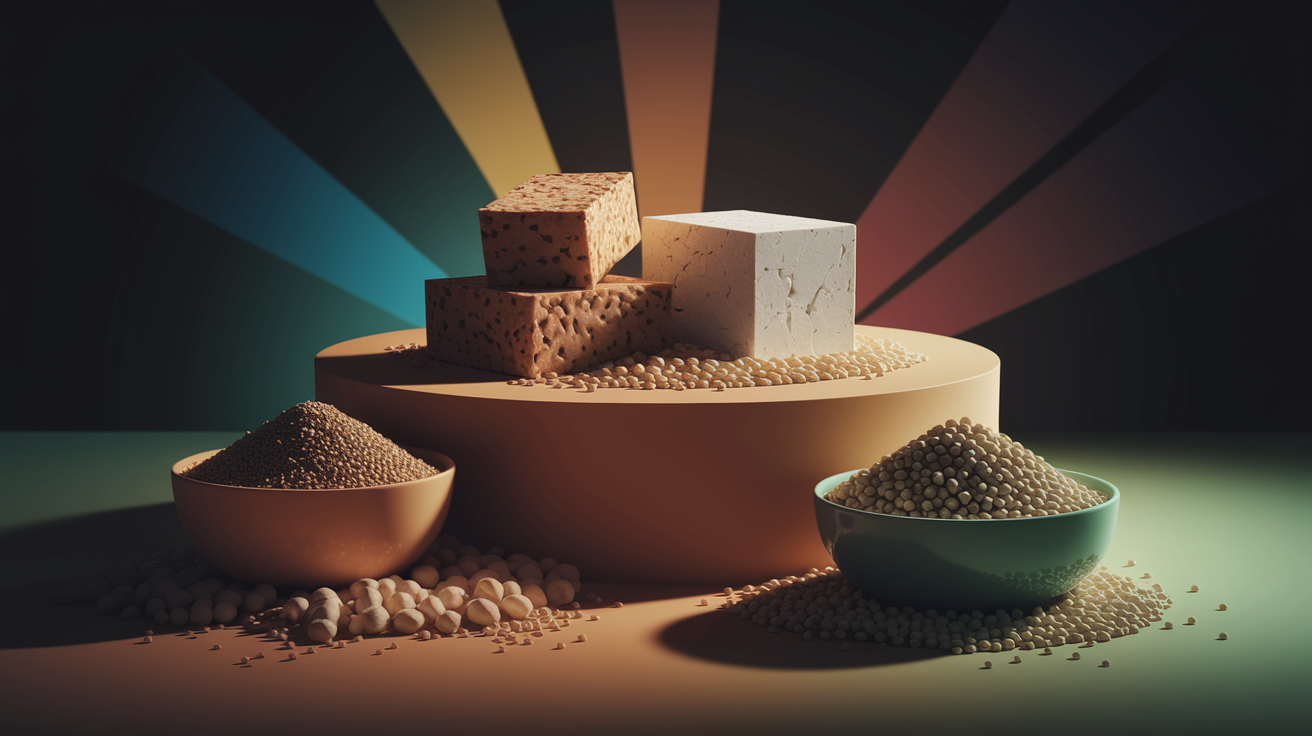
Tofu, tempeh, and seitan deliver protein per ounce that’s nearly on par with meat. They’re your top picks when you need to hit a specific gram target without loading up on extra carbs or fats. Legumes like lentils and chickpeas bring solid protein, but they also pack carbohydrate. If you’re watching total calories or trying to keep carbs lower, lean toward the concentrated soy and wheat proteins first and use legumes as backup.
Nuts and seeds add protein but they come wrapped in fat, so portions need to stay tight. A handful of almonds gives you protein, sure, but it also delivers a pile of calories. Use them as secondary support, not your main anchor.
| Food | Standard Portion | Approx Protein (g) |
|---|---|---|
| Firm tofu | 100 g (about 3.5 oz) | 17 |
| Tempeh | 100 g (about 3.5 oz) | 19 |
| Seitan | 100 g (about 3.5 oz) | 25 |
| Cooked lentils | 200 g (about 1 cup) | 18 |
| Cooked chickpeas | 200 g (about 1 cup) | 15 |
| Hemp seeds (shelled) | 30 g (about 3 tablespoons) | 10 |
Optimal Plant-Based Protein Timing for Strength Training Sessions

Your pre-workout meal should follow a 3:1 carbohydrate to protein ratio so you fuel the session without feeling heavy. If you’re eating a full meal 3 to 4 hours before training, include about 30 grams of carbs and 10 grams of protein. Examples: 1 to 2 cups of cooked oatmeal with a tablespoon of almond butter, or a slice of toast with nut butter and a banana.
Closer to workout time, keep protein minimal and carbs simple. One hour out, try a medium white potato or one cup of white rice with just a tablespoon of nut butter. Less than one hour before you lift, stick to quick-digesting carbs like 2 to 3 medjool dates or 8 to 12 ounces of fruit juice. Save the bigger protein dose for after.
Post-workout, go for a 4:1 or 5:1 carbohydrate to protein ratio and eat within an hour after you finish. This is when you reload glycogen and start repair. Target about 0.75 grams of carbohydrate per pound of bodyweight and include plenty of protein. Total daily intake matters more than the exact timing window, but balanced pre and post meals keep recovery consistent.
Quick pre/post plant-based options:
- Pre-workout (1 hour): 1 apple + 1 tablespoon almond butter
- Pre-workout (2 hours): 1.5 cups cooked oatmeal + handful of berries + 1 tablespoon peanut butter
- Post-workout: smoothie with 1 banana, 1 cup soy milk, 1 scoop pea protein, 1 tablespoon flaxseed
- Post-workout: bowl with 1 cup quinoa, 150 g tofu, steamed vegetables, tahini drizzle
Sample High-Protein Vegan Meal Patterns and Portion Sizes
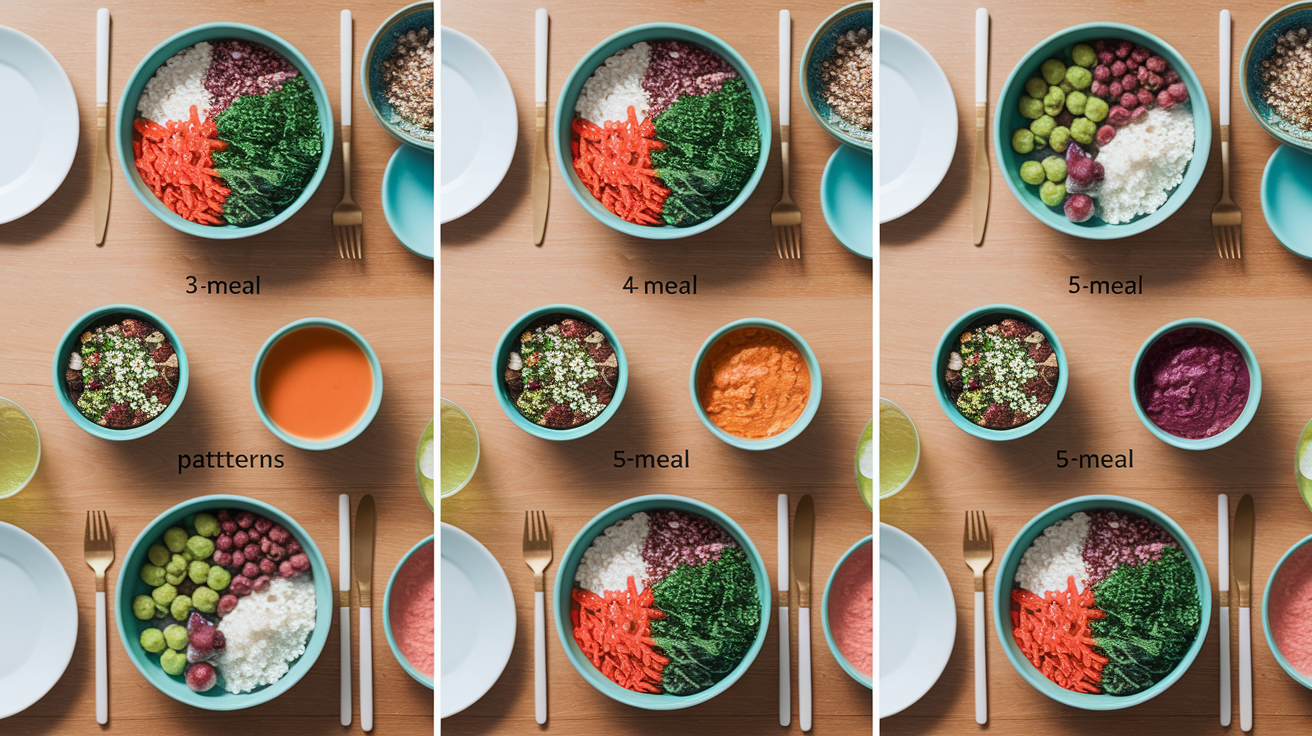
A 3 meal schedule works if you can eat larger portions at each sitting. Breakfast might be a tofu scramble with spinach and whole-grain toast (35 g protein), lunch could be a tempeh bowl with quinoa and roasted vegetables (40 g protein), and dinner a seitan stir-fry over brown rice (45 g protein). That hits about 120 grams, which covers a 65 to 70 kg athlete at 1.8 g/kg.
A 4 meal pattern spreads protein more evenly and keeps leucine triggering muscle protein synthesis throughout the day. Breakfast: oatmeal with hemp seeds and soy milk (25 g protein). Mid-morning snack: protein shake with pea protein isolate (25 g protein). Lunch: lentil and chickpea salad with tahini dressing (30 g protein). Dinner: baked tofu with sweet potato and greens (35 g protein). Total: 115 grams, good for a 60 to 65 kg athlete.
A 5 meal approach helps when total daily targets push above 150 grams or when appetite’s lower and smaller, frequent meals feel easier. Breakfast: smoothie with protein powder, banana, almond butter (30 g protein). Mid-morning: hummus with whole-grain crackers (15 g protein). Lunch: tempeh wrap with avocado and greens (30 g protein). Afternoon snack: edamame and a small handful of almonds (15 g protein). Dinner: seitan and vegetable stir-fry over rice (40 g protein). Total: 130 grams, covering a 70 to 75 kg athlete. For more detailed scheduling and specific recipes, check out the protein protocol for resistance training plant-based athletes.
Sample day formats:
- 3 meal day (120 g total): 35 g breakfast, 40 g lunch, 45 g dinner
- 4 meal day (115 g total): 25 g breakfast, 25 g snack, 30 g lunch, 35 g dinner
- 5 meal day (130 g total): 30 g breakfast, 15 g snack, 30 g lunch, 15 g snack, 40 g dinner
Using Plant Protein Supplements and Powders for Precision Portioning

Protein powders become useful when your daily target climbs above 200 grams or when whole foods alone feel impractical or too filling. Competitive bodybuilders or very large athletes often need supplementation to close the gap. Recreational lifters who train three to five times a week can usually hit 1.8 g/kg from whole plant foods, but a scoop of powder after training simplifies things.
Choose a plant protein powder that lists at least 2 grams of leucine per serving to reliably trigger muscle protein synthesis with each shake. Pea protein isolate’s common, often blended with rice or quinoa protein to balance amino acids. Soy protein isolate’s complete on its own and leucine-rich. Almond-based powders tend to be lower in carbohydrates, which helps if you’re managing total carb intake during a cut.
Comparing common plant protein powder types:
- Pea protein isolate: complete amino acid profile, 2–3 g leucine per scoop, mild flavor, blends well
- Soy protein isolate: complete, high leucine (2.5–3 g per scoop), slightly chalky texture, very cost effective
- Rice and pea blend: complementary amino acids, smooth texture, moderate leucine (1.5–2.5 g per scoop depending on blend)
- Almond-based powder: lower carb (often under 5 g per serving), incomplete alone, best mixed with pea or soy for leucine boost
Adjusting Plant Protein Portions for Cutting, Bulking, and Different Athlete Types

When you’re gaining muscle, add a modest calorie surplus of about 300 to 500 calories per day, which is roughly one extra snack or small meal. Keep your protein at 1.8 g/kg or slightly above, but remember that building muscle requires progressive overload in your training first. No amount of protein tweaking will make up for inconsistent or stagnant workouts.
If you’re cutting to lose fat while preserving muscle, think about increasing protein to around 2.4 g/kg. The extra protein helps protect lean mass when you’re in a calorie deficit and glycogen stores run lower. Keep training volume and intensity as high as recovery allows, and don’t drop calories too fast.
Older adults may benefit from slightly higher per-meal protein doses, closer to 35 to 40 grams, to overcome age-related anabolic resistance. Female athletes generally follow the same 1.8 g/kg guideline as male athletes, but total daily grams will be lower due to lower average bodyweight. Adjust portions based on your actual weight, not population averages.
Practical Tools for Tracking and Portioning Plant Protein

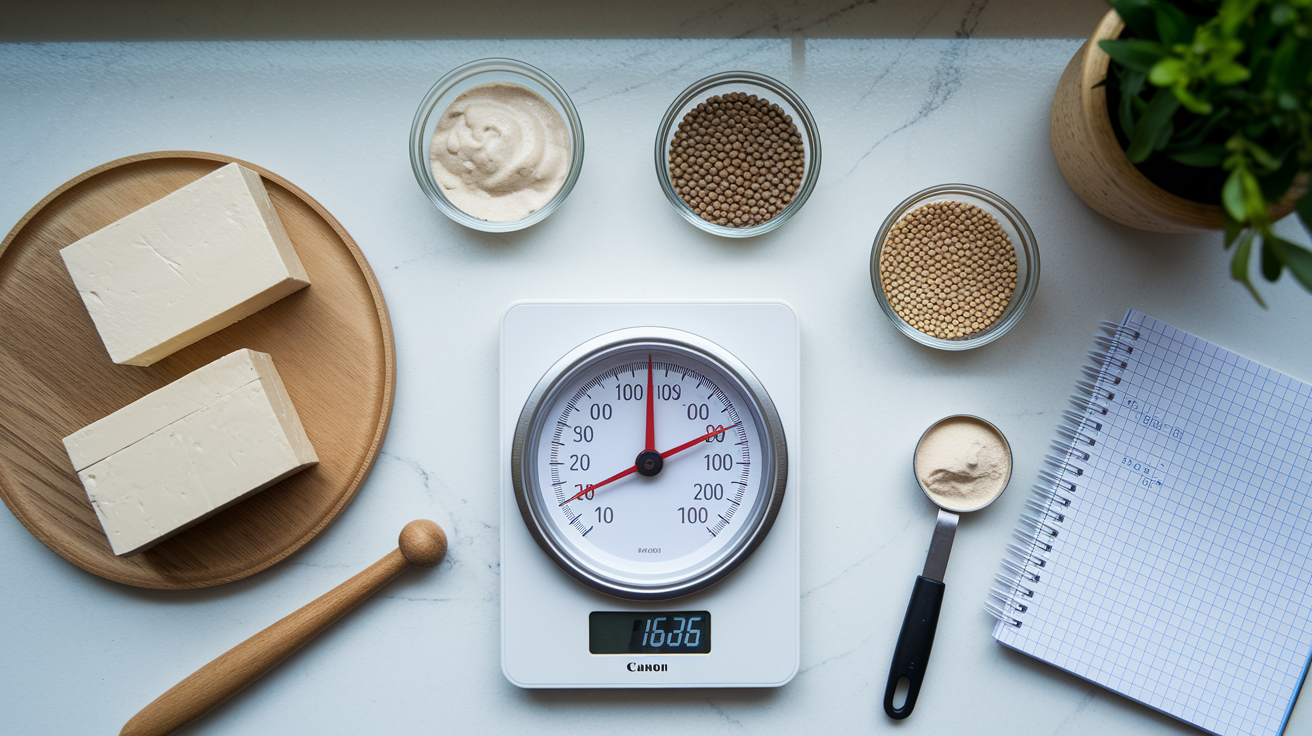
A digital food scale’s the simplest way to measure protein portions accurately, especially when you’re learning what 100 grams of tofu or 200 grams of cooked lentils actually looks like on your plate. Weigh your protein source raw or cooked (just stay consistent), log it, and compare the total to your daily target.
Meal prep containers with portion markings help you batch cook and divide meals evenly for the week. Visual guides are useful once you’ve weighed food a few times. A palm-sized portion of tempeh’s roughly 100 grams, and a closed fist of cooked chickpeas is about one cup. Use your bodyweight in kilograms, multiply by 1.8, and that’s your daily gram target. Simple.
Five practical portioning tools:
- Digital kitchen scale (accurate to 1 gram) for weighing tofu, tempeh, seitan, and cooked legumes
- Nutrition tracking app (Cronometer, MyFitnessPal) to log daily totals and compare to target
- Meal prep containers (BPA free, portion marked) for consistent serving sizes across the week
- Measuring cups and spoons for seeds, nut butters, and protein powder scoops
- Visual hand-portion guide: palm = 100 g protein source, fist = 1 cup cooked grains or legumes, thumb = 1 tablespoon nut butter
Final Words
Start by nailing your daily target and spreading protein across meals. We gave exact numbers (1.6–2.2 g/kg, up to 2.4 g/kg when cutting), per-meal leucine goals, and 20–40 g meal ranges to aim for.
Prioritize tofu, tempeh, seitan, legumes, and powders when you need precision. Follow the timing cues around training and pick a 3-, 4-, or 5-meal pattern that fits your day.
Track with a scale or app, tweak for bulk or cut, and keep progressive overload. Plant-based protein portioning for strength training is doable—small steps, steady gains.
FAQ
Q: What are daily protein targets for plant-based strength athletes?
A: Daily protein targets for plant-based strength athletes are about 1.6–2.2 g/kg, with 1.8 g/kg a practical default (90 kg × 1.8 = 162 g/day). Up to 2.4 g/kg while cutting.
Q: What should per-meal protein and leucine targets be?
A: Per-meal protein and leucine targets are roughly 20–40 g protein per meal with 2–3 g leucine to maximize muscle protein synthesis; adjust toward the higher end for heavier athletes.
Q: How should I split protein across meals and snacks?
A: Split protein so most meals hit 20–40 g: breakfast 20–30 g, lunch/dinner 30–40 g, snacks 10–20 g. Aim for similar doses across meals to support steady recovery.
Q: Which plant foods are best for high protein and portioning?
A: Top plant proteins for portioning are seitan, tofu, tempeh, lentils, chickpeas, and hemp seeds; seitan, tofu, and tempeh offer meat-like protein density per serving.
Q: How do I improve amino acid completeness on a plant diet?
A: You can improve amino acid completeness by combining legumes and grains, choosing soy/pea/seitan for higher leucine, and rotating varied plant proteins across the day for full coverage.
Q: When should I eat protein around workouts?
A: Protein timing around workouts helps recovery: eat a carbohydrate-plus-protein pre-meal about 1–3 hours before (3:1 carb:protein), and a balanced post-meal within one hour (4–5:1).
Q: When should I use plant protein powders and how much per serving?
A: Use plant protein powders when you need convenience or totals exceed ~200 g/day; pick powders with ≥2 g leucine per serving and dose servings to reach your per-meal protein targets.
Q: How do protein needs change for cutting, bulking, older adults, or different athletes?
A: Adjust protein by goal: cutting may need up to 2.4 g/kg to preserve muscle; bulking keeps 1.6–2.2 g/kg while adding +300–500 kcal/day; older athletes may aim slightly higher per kg.
Q: What practical tools help track and portion plant protein?
A: Track and portion protein with a food scale, meal prep containers, an app or spreadsheet, nutrition labels, and a simple calculator using bodyweight × target g/kg.
Q: What sample meal patterns help hit protein targets?
A: Sample meal patterns include 3-meal (50–60 g each), 4-meal (35–45 g each), or 5-meal (25–35 g each) formats; pick one and track consistency for two weeks.