


Want to lose fat without losing muscle?
Most cuts trim calories and, sadly, the protein your muscles need to stay.
The solution is simple and practical: aim for 1.6–2.4 g/kg daily (about 0.7–1.0 g/lb) and split it into roughly 25–40 g servings across three to four meals.
Add a 20–40 g post-workout dose and, if you train late, consider 30–40 g before bed.
Do this and you keep hard-earned muscle, feel fuller, and make fat loss cleaner and steadier.
Optimal Protein Targets Per Meal and Per Day
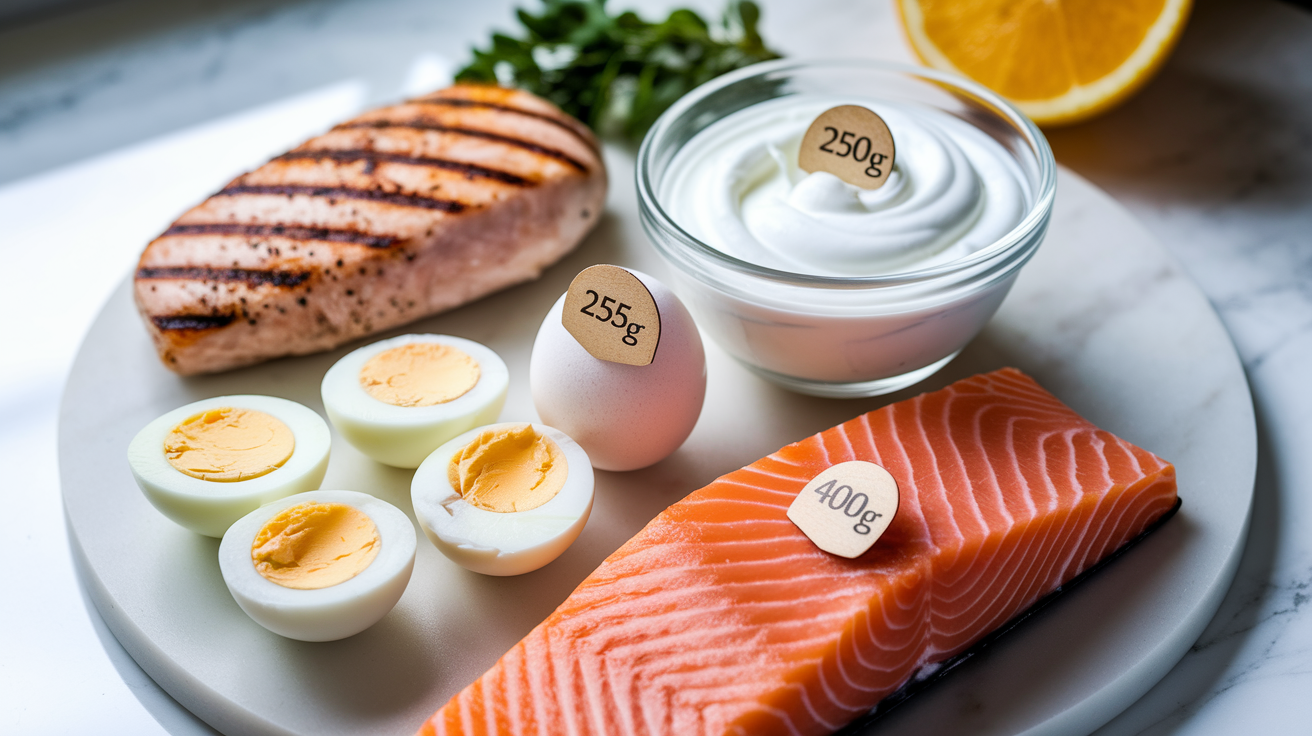
You want to eat between 1.6 and 2.4 g/kg of body weight in protein every day when you’re cutting. That’s about 0.7 to 1.0 g per pound. So if you weigh 80 kg (176 lb), you’re looking at 128 to 192 g daily. This range keeps your muscle intact while you’re in a deficit without making your food intake ridiculous. Train hard and cut deep? Go higher. New to lifting or taking it easy on the deficit? Middle of the range is fine.
How you split that daily number across meals matters just as much as the total. Every time you eat protein, you flip the switch on muscle protein synthesis (MPS), the thing that rebuilds muscle after training and everyday life. Studies show 25 to 40 g of solid protein per meal gets the best response in most people. You can get by on less than 20 g, but you won’t get the full muscle-building signal. Space your protein across three or four meals and you keep MPS running all day, which beats cramming everything into one or two big eating windows.
Here’s what happens when you portion it right:
- MPS fires multiple times throughout the day, which protects lean mass even when calories are low
- Protein burns 20 to 30 percent of its own calories just during digestion, which helps with fat loss
- You stay fuller between meals, cravings drop, and sticking to the plan gets easier
- Amino acids stay available during and after training
| Meal Timing | Recommended Protein Grams |
|---|---|
| Breakfast | 25–40 g |
| Lunch | 25–40 g |
| Dinner | 25–40 g |
| Pre-sleep snack or shake (optional) | 30–40 g |
Hit your daily number first, then chop it into roughly equal chunks. You weigh 70 kg and you’re shooting for 2.0 g/kg? That’s 140 g daily. Four meals means around 35 g each time. Three meals and a snack? Same thing, 30 to 40 g per eating session. You don’t need a scale at every meal, but staying in that 25 to 40 g zone keeps the muscle-preserving process humming.
Structuring Protein Intake Across Breakfast, Lunch, Dinner, and Snacks
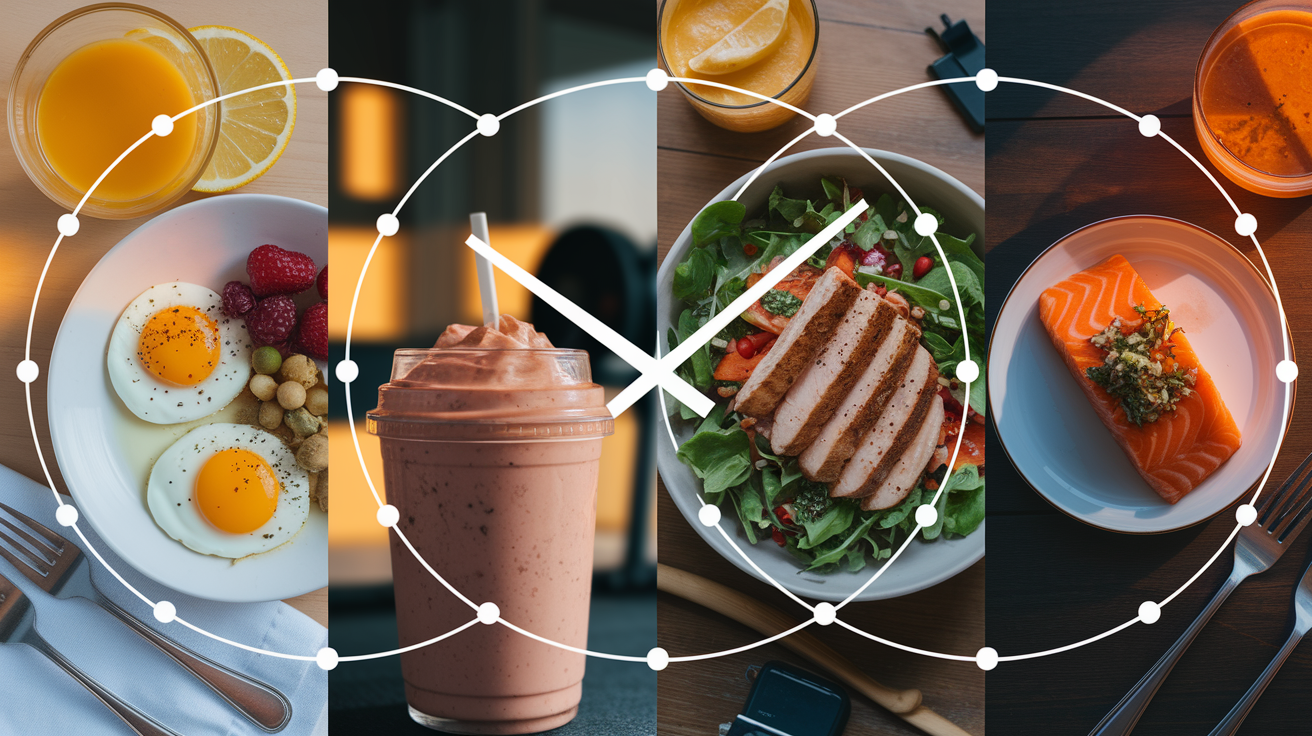
Getting protein in early stabilizes blood sugar and keeps you from being starving by lunch. Eating 25 to 40 g at breakfast sets you up with better hunger control and energy for hours. Skip breakfast protein or shove most of your intake to dinner and you lose MPS spikes, which means less muscle retention over time. Spreading it across three or four times creates a rhythm your body can actually use to repair and hold onto lean tissue.
Here’s how to split it through a normal training day:
- Breakfast: 25–40 g (eggs, Greek yogurt, cottage cheese, protein shake)
- Mid-morning or lunch: 25–40 g (chicken, fish, tofu, beans, lean beef)
- Post-workout snack or early dinner: 25–40 g (shake, turkey, salmon, lentils)
- Dinner: 25–40 g (whatever protein source you actually like)
- Optional pre-sleep snack: 30–40 g if your daily total needs it or you train late (casein shake, cottage cheese, Greek yogurt)
Comparing Even vs Skewed Protein Distribution

Even protein distribution (25 to 40 g each meal) beats the hell out of eating most of your protein in one sitting when it comes to keeping muscle. Studies that matched total daily protein but changed meal patterns found that skewed intake (like 10 g at breakfast and 100 g at dinner) dropped net muscle protein synthesis compared to balanced doses. Your body can only use so much protein at once for rebuilding muscle. The rest gets burned for energy or turned into other stuff, which is fine for meeting calorie needs but does nothing for preserving lean mass.
Skewed patterns can still work for total intake and weight loss if your deficit’s dialed in, but you’re leaving muscle-building potential sitting on the table. Doing intermittent fasting or one big meal? You’ll still lose fat in a deficit. But muscle preservation won’t be as strong as it could be. That’s the trade.
| Pattern | Pros | Cons |
|---|---|---|
| Even distribution (25–40 g per meal, 3–4 meals) | Maximizes daily MPS; better satiety throughout the day; simpler to plan | Requires more meal prep; can be harder with unpredictable schedules |
| Skewed (most protein in one or two meals) | Convenient for intermittent fasting; fewer cooking sessions; can fit some social eating patterns | Lower total MPS stimulus; less satiety between meals; higher risk of muscle loss during a cut |
Even distribution wins for muscle preservation. If your schedule forces skewed eating, at least shoot for two or three protein meals instead of one massive dinner.
Training-Day Protein Timing (Pre and Post Workout)

Getting 20 to 40 g of protein within about two hours after your workout gives your muscles the amino acids they need when MPS is naturally jacked up. Post-training synthesis can stay elevated for several hours, so you don’t need to sprint to the locker room with a shaker bottle. But hitting that window with a solid protein dose makes recovery easier and more effective. A shake, a meal with chicken or fish, even a high-protein snack all work.
Pre-workout protein matters less for the immediate anabolic response. It’s more about keeping amino acids in circulation during the session. If you train fasted, MPS still happens afterward, but having some protein already in your system can reduce muscle breakdown while you’re lifting. A small serving (15 to 30 g an hour or two before) covers that without making you feel heavy or sluggish.
On training days, your protein timing priorities are simple:
- Post-workout (0–2 hours after): 20–40 g to support recovery and MPS
- Pre-workout (1–2 hours before, optional): 15–30 g to reduce breakdown during the session
- Rest of the day: keep spacing protein evenly across remaining meals to hit your daily target
Pre-Sleep Protein for Overnight Muscle Preservation

Overnight is the longest stretch you go without eating, and muscle protein synthesis naturally drops during that fasting window. Taking 30 to 40 g of slow-digesting protein before bed (usually casein or a mixed whole-food source like cottage cheese) gives you a steady release of amino acids through the night. Research shows this bumps up net protein balance and can improve muscle retention when you’re restricting calories.
Casein digests over several hours, which keeps blood amino acid levels elevated longer than whey or most whole foods. You can also use Greek yogurt, a casein-whey blend shake, or even a small serving of lean meat if that’s easier. The key is hitting that 30 to 40 g dose with a protein source that doesn’t spike and crash quickly. This isn’t mandatory if you already hit your daily target and eat protein evenly through the day. But it’s a useful tool when you’re cutting and want every advantage for preserving muscle.
Practical Daily Protein Portioning Examples

Here are four realistic daily protein patterns that hit the 1.6 to 2.4 g/kg range for different body weights. Use these as templates and swap foods based on what you have and what you like.
-
70 kg person (154 lb), targeting 2.0 g/kg = 140 g protein/day, four meals:
Breakfast: 3 eggs + 1 cup Greek yogurt (35 g)
Lunch: 150 g chicken breast + mixed greens (35 g)
Post-workout snack: 1 scoop whey protein shake (25 g)
Dinner: 180 g salmon + steamed broccoli (40 g)
Optional pre-sleep: 1 cup cottage cheese if needed (an extra 25 g, bringing total to 160 g) -
85 kg person (187 lb), targeting 2.2 g/kg = 187 g protein/day, four meals:
Breakfast: 4 eggs scrambled + 1 slice whole-grain toast with peanut butter (30 g)
Lunch: 200 g lean beef + quinoa and vegetables (45 g)
Post-workout: 1.5 scoops whey isolate (35 g)
Dinner: 200 g turkey breast + sweet potato (45 g)
Pre-sleep: casein shake (30 g) -
60 kg person (132 lb), targeting 1.8 g/kg = 108 g protein/day, three meals plus snack:
Breakfast: 2 eggs + ½ cup cottage cheese (25 g)
Lunch: 120 g tofu stir-fry with edamame and brown rice (28 g)
Snack: Greek yogurt with almonds (20 g)
Dinner: 150 g white fish + roasted vegetables (35 g) -
90 kg person (198 lb), targeting 2.4 g/kg = 216 g protein/day, five meals:
Breakfast: protein pancakes made with 1 scoop whey + 3 egg whites (40 g)
Mid-morning: protein bar or shake (25 g)
Lunch: 200 g chicken thighs + lentils (50 g)
Post-workout: 1.5 scoops whey isolate (35 g)
Dinner: 220 g lean steak + side salad (50 g)
Pre-sleep: casein shake (30 g) (total: 230 g, slightly above target but still practical)
Adjust portion sizes based on your exact body weight and daily target. If you’re closer to 1.6 g/kg, trim 5 to 10 g from a couple of meals. If you’re pushing 2.4 g/kg and struggling to hit it with whole foods, add a shake or an extra snack. The goal is hitting your number consistently without overthinking every gram.
Final Words
Hit 25–40 g of protein per meal and aim for about 0.7–1.0 g per pound of body weight per day. Spread that across 3–4 meals, include a post-workout meal, and consider 30–40 g before sleep on training days.
Those simple rules protect muscle while you cut calories. Pick one example plan and follow it for two weeks, then tweak based on energy and performance.
Make protein portioning for fat loss while preserving muscle part of your routine, not a puzzle. Small, steady wins add up – you can do this.
FAQ
Q: How much protein to retain muscle while losing fat?
A: To retain muscle while losing fat, aim for 0.7–1.0 grams of protein per pound of bodyweight daily, spread as 25–40 g per meal across 3–4 meals.
Q: What is the 3-3-3 rule for fat loss?
A: The 3-3-3 rule for fat loss is a simple coaching guideline: three protein-focused meals per day, three strength sessions per week, and three weeks before you reassess progress.
Q: How to burn fat while preserving muscle?
A: To burn fat while preserving muscle, use a moderate calorie deficit, eat 0.7–1.0 g protein per pound, keep regular resistance training, and prioritize sleep and recovery.
Q: What macros should I eat to cut fat and maintain muscle?
A: To cut fat and maintain muscle, target 0.7–1.0 g protein per pound daily, then divide remaining calories between carbs and fats to support training and satiety.