


Think you need protein powders and big meals to hit your target?
You don’t.
Small swaps, like Greek yogurt for regular yogurt, ultra-filtered milk for regular milk, and super-firm tofu for silken, add real grams without extra cooking or time.
Same meals, same flavors, better totals.
In this post you’ll get quick, practical portion swaps that boost daily protein without changing your routine.
Do one or two and your intake climbs quietly, reliably, and without extra plates to wash.
Fast, Practical Protein Portion Swaps You Can Use Today
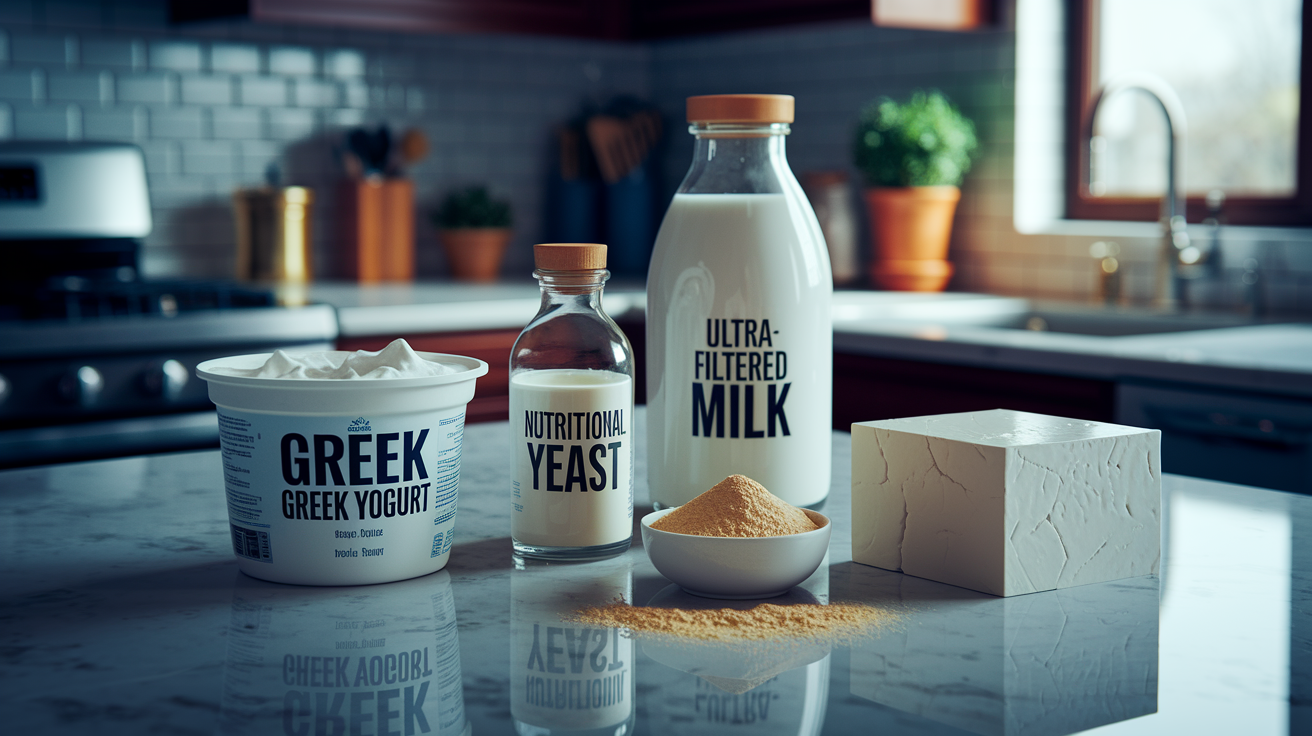
The fastest way to add protein? Just swap the low-protein version for a higher-protein version of the same thing. Same recipes. Same meal formats. Same cooking methods. What changes is what ends up on the plate.
These swaps work because they don’t fight your routine. Swap regular yogurt for Greek yogurt and you instantly add 10 to 15 grams of protein to breakfast. Swap regular milk for ultra-filtered milk and you pick up an extra 5 grams per cup. Nobody else at the table notices a thing, but your daily protein climbs without adding extra food or effort.
- Greek yogurt instead of regular yogurt gets you 15 to 20 grams per serving instead of 5 to 10. Same bowl, same toppings.
- Ultra-filtered milk instead of regular milk gives you 13 grams per cup instead of 8. Same pour, same recipes.
- Nutritional yeast instead of Parmesan delivers 8 grams per 1/4 cup instead of about 4. Sprinkle it the same way.
- Super firm tofu instead of silken tofu packs 70 grams per block instead of 20 to 30. Use it shredded or cubed.
- Cottage cheese instead of cream cheese brings 12 to 14 grams per half cup instead of 5 to 6. Spread or blend it the same way.
| Food | Swap | Protein Difference |
|---|---|---|
| Regular yogurt (1 serving) | Greek yogurt (1 serving) | +10 to 15 grams |
| Regular milk (1 cup) | Ultra-filtered milk (1 cup) | +5 grams |
| Silken tofu (1 block) | Super firm tofu (1 block) | +40 to 50 grams |
Breakfast Protein Swaps That Boost Intake Without Extra Cooking

Breakfast is your first shot to raise your daily protein total, and the simplest swaps happen before you turn on the stove. Swap regular milk for a high-protein version in your oatmeal or coffee, and you add 5 extra grams without changing the flavor. Ultra-filtered milk gives you 13 grams per cup. Regular dairy milk gets you 8 grams per cup. Either one beats water or low-protein plant milks.
Greek yogurt delivers 15 to 20 grams of protein per serving, roughly double what you get from regular yogurt. Use it as a base for fruit and granola. Or stir a spoonful into your smoothie to thicken it without adding protein powder. If you blend smoothies, drop a few cubes of silken tofu into the blender. It disappears into the texture and adds protein with almost no flavor.
Buckwheat is a complete protein and has more protein than oats. Cook buckwheat flakes like you cook oatmeal, or toast whole buckwheat groats and mix them into yogurt for crunch. If you usually put butter on toast, swap it for nut butter to pick up a few extra grams. If you usually top oatmeal with fruit alone, add a tablespoon of hemp seeds or pumpkin seeds for another 3 to 5 grams of protein per serving.
- Swap regular milk for ultra-filtered milk in oatmeal or cereal. 13 grams per cup instead of 8.
- Use Greek yogurt instead of regular yogurt as your breakfast base. 15 to 20 grams instead of 5 to 10.
- Blend silken tofu into smoothies for extra protein with no grittiness.
- Replace oats with buckwheat flakes for a complete-protein porridge.
- Top toast with almond butter or sunflower seed butter instead of butter or jam to add 3 to 4 grams of protein per tablespoon.
Lunch Protein Portion Swaps for Higher Satiety and Better Balance
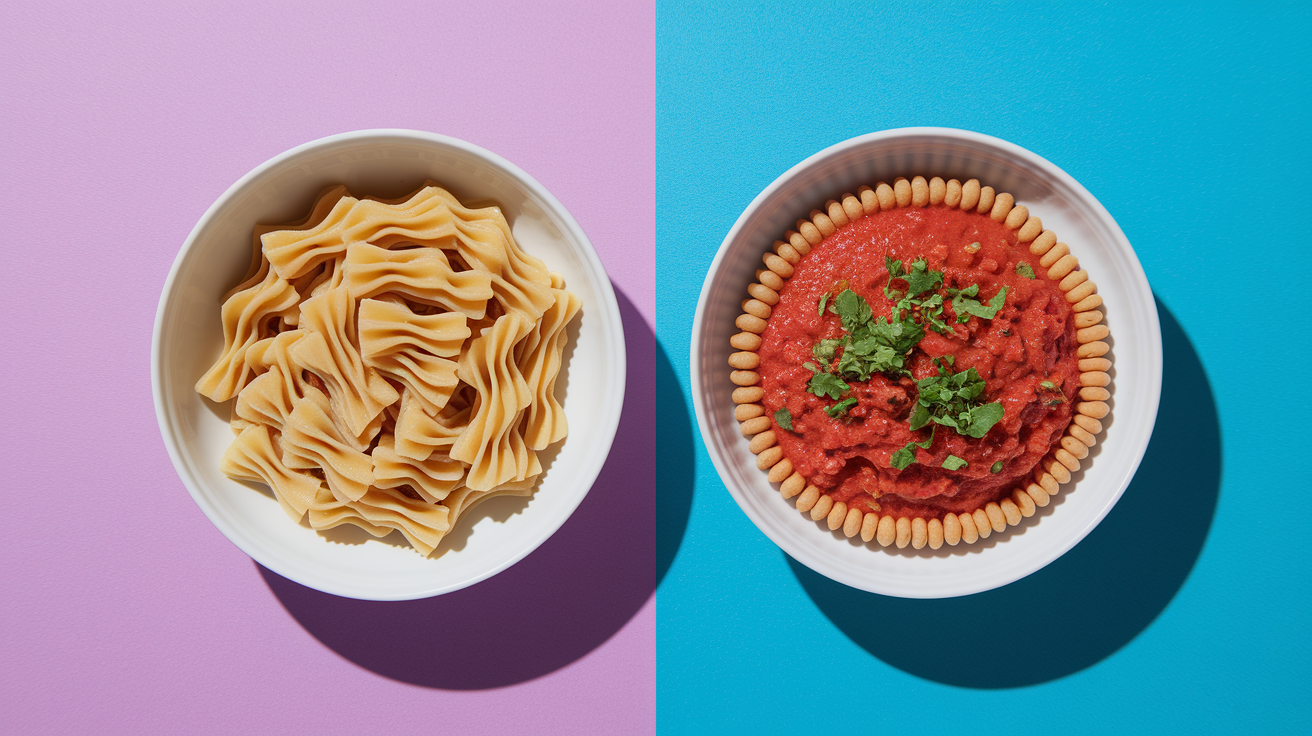
Lunch is where grain and legume swaps make the biggest difference. Swap white rice for quinoa and you more than double the protein in your bowl. One cup of cooked white rice gives you 4 to 6 grams. One cup of cooked quinoa gives you over 8 grams, and quinoa is a complete protein with all nine essential amino acids. Farro is another strong grain swap, delivering more than 12 grams of protein per cooked cup. Both grains work in salads, grain bowls, and as a side for soups or curries.
Beans are low-effort protein. Add a half cup of canned chickpeas to your salad and you pick up 6 to 7 grams of protein plus fiber that keeps you full longer. Swap regular pasta for chickpea pasta or lentil pasta and you can double the protein in a single serving while keeping the same meal format. These pastas also add fiber, so they slow digestion and prevent the energy crash that sometimes follows a carb-heavy lunch.
- Swap white rice for quinoa in grain bowls and salads. 8+ grams per cup instead of 4 to 6.
- Use farro instead of rice as a side dish. More than 12 grams per cooked cup.
- Replace regular wheat pasta with chickpea pasta or lentil pasta. 14 to 20 grams per serving instead of 7 to 8.
- Add a half cup of canned beans to soups, salads, or wraps for an extra 6 to 8 grams.
- Use Greek yogurt as the base for creamy salad dressings instead of mayo or sour cream. 15 to 20 grams per serving instead of 1 to 2.
- Blend white beans into hummus or soup for extra creaminess and protein without changing the flavor.
Dinner Protein Swaps to Upgrade Common Meals

Dinner protein swaps let you raise the total without grilling an extra chicken breast. Greek yogurt works as a one-to-one swap for heavy cream or sour cream in pasta sauces, chili toppings, and mashed potatoes. A half cup of Greek yogurt adds 10 grams of protein. A half cup of heavy cream adds less than 2. The swap cuts saturated fat and raises protein at the same time.
Super firm tofu is the easiest tofu to work with at dinner. It comes vacuum-packed, holds its shape, and contains about 70 grams of protein per block. Shred it with a box grater and bake it at 400°F for 15 minutes to make crunchy toppings for salads, grain bowls, or pasta. Or cube it and toss it into stir-fries.
If you’re making meatballs or veggie burgers, swap breadcrumbs for mashed beans. The beans bind the mixture and add protein and fiber. White beans, black beans, and chickpeas all work.
If you cook with milk in recipes like mashed potatoes or creamy soups, use ultra-filtered milk instead of water or regular milk. You add 5 extra grams of protein per cup without changing the texture or flavor. Small swaps at dinner compound quickly because dinner portions are usually larger than breakfast or lunch portions.
| Common Ingredient | Higher-Protein Swap | Protein Gain |
|---|---|---|
| Heavy cream (1/2 cup) | Greek yogurt (1/2 cup) | +8 to 10 grams |
| Breadcrumbs (1/2 cup) | Mashed beans (1/2 cup) | +6 to 8 grams |
| Silken tofu (1/2 block) | Super firm tofu (1/2 block) | +20 to 25 grams |
| Regular milk in recipes (1 cup) | Ultra-filtered milk (1 cup) | +5 grams |
High-Protein Snack Swaps for Quick, Portable Nutrition
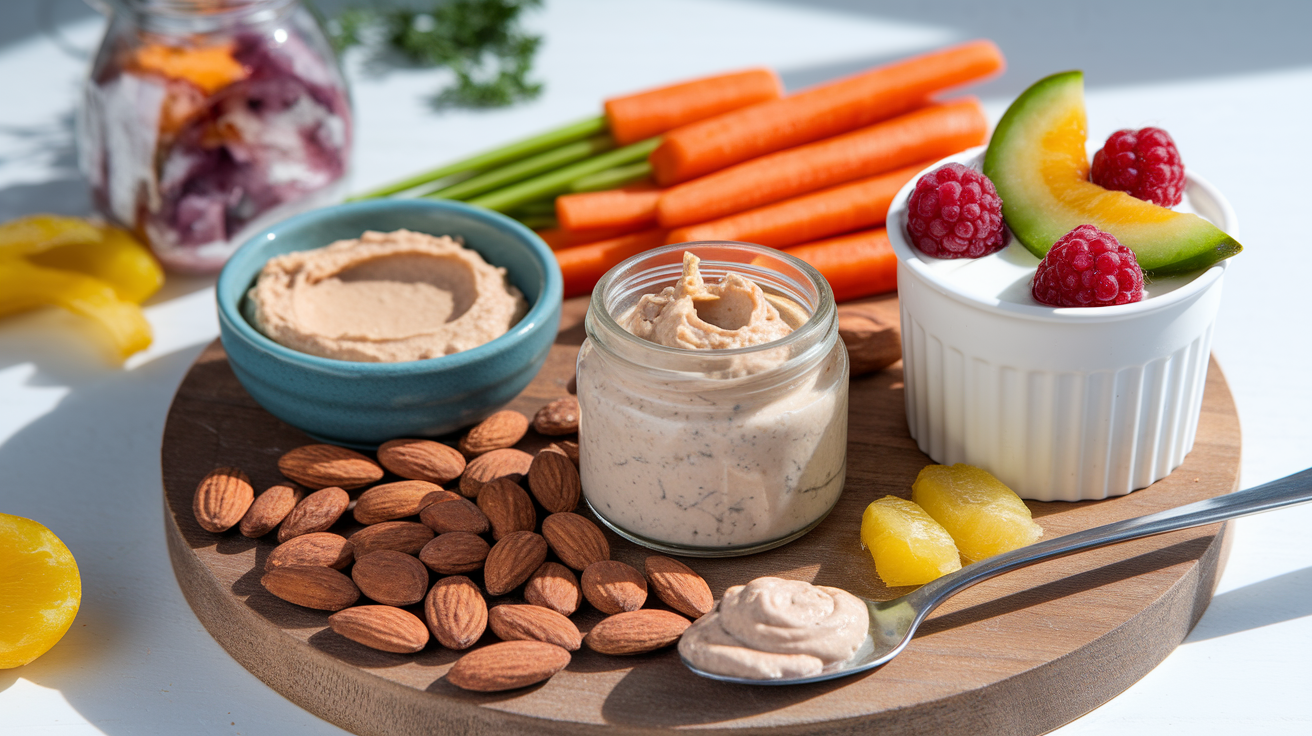
Snacks are where small swaps add up over the week. Ten almonds give you about 3 grams of protein. An equivalent weight of potato chips gives you about 1 gram. Swap chips for almonds a few times per week and you pick up 10 to 15 extra grams without thinking about it. Pumpkin seeds, sunflower seeds, and hemp seeds all deliver similar protein boosts and pack easily into bags or desk drawers.
Hummus is a simple swap for high-fat dips. One tablespoon gives you about 1.5 grams of protein and 1 gram of fiber. Butter gives you almost zero protein. Spread hummus on crackers or toast, or use it as a dip for carrots and bell peppers.
Cottage cheese works the same way. A half cup delivers 12 to 14 grams of protein. A half cup of cheddar cheese gives you about 7 grams and more saturated fat.
- Swap potato chips for 10 almonds or a small handful of roasted chickpeas. 3 grams instead of 1.
- Use hummus instead of butter or cream cheese on crackers or toast. 1.5 grams per tablespoon instead of near zero.
- Replace cheddar slices with a cottage cheese spread on whole-grain crackers. 12 to 14 grams per half cup instead of 7.
- Choose Greek yogurt cups over regular yogurt cups for grab-and-go snacks. 15 to 20 grams instead of 5 to 10.
- Keep single-serve packs of tuna or smoked salmon on hand for quick protein without cooking. 15 to 20 grams per pack.
- Add chia seeds or hemp seeds to fruit or yogurt for an extra 3 to 5 grams per tablespoon.
Plant-Based Protein Swaps to Increase Daily Intake Easily
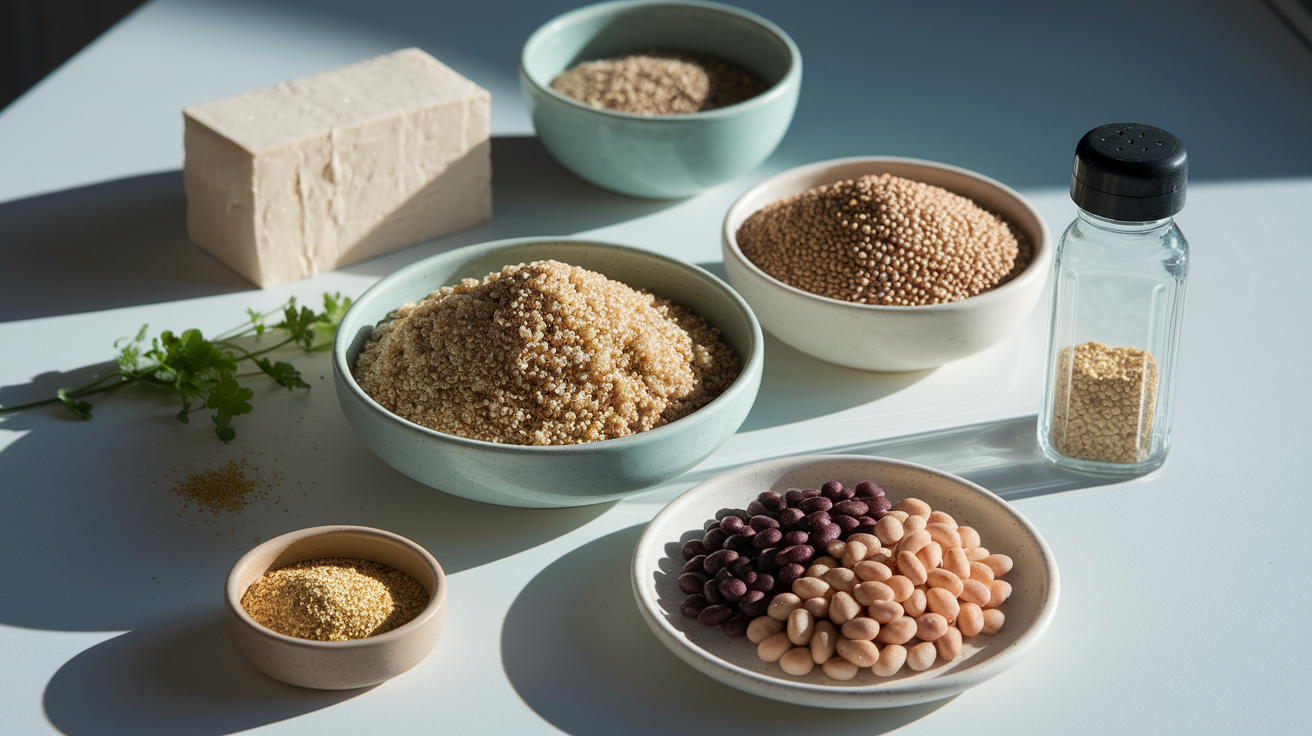
Plant-based eaters can use the same swap strategy with a few ingredient adjustments. Tofu, beans, quinoa, and nutritional yeast are the core high-protein ingredients that work across meals. Nutritional yeast delivers 8 grams of protein per 1/4 cup and tastes like cheese, so you can sprinkle it on popcorn, pasta, soups, or roasted vegetables without changing the meal. It also provides B12, which is hard to get from plants alone.
Beans give you protein and fiber in one ingredient. A half cup of black beans or chickpeas adds 6 to 8 grams of protein to any meal. Blend them into soups, toss them into salads, or mash them into burger patties. Combine beans with grains like quinoa or farro and you create a complete protein with all nine essential amino acids.
Super firm tofu is another complete protein. One block contains about 70 grams, and you can shred it, cube it, or bake it to fit almost any recipe.
Easy Complete-Protein Plant Options
Quinoa is a complete protein and gives you more than double the protein of white or brown rice. Use it in grain bowls, salads, or as a side for stir-fries and curries. Buckwheat is also a complete protein and works as a hot cereal or as whole seeds cooked like quinoa. Tofu is complete. Tempeh is complete.
If you drink soy milk, choose a brand with at least 6 grams of protein per cup and fortified with calcium and B12.
When you combine beans with grains, you also create a complete protein. Lentils with rice. Chickpeas with quinoa. Black beans with farro. All give you the full amino-acid profile your body needs.
- Swap Parmesan or other cheese for nutritional yeast on pasta, popcorn, or soups. 8 grams per 1/4 cup instead of 4.
- Use super firm tofu instead of silken tofu in stir-fries or baked dishes. 70 grams per block instead of 20 to 30.
- Replace white rice with quinoa or farro for a complete-protein grain base. 8+ grams per cup instead of 4 to 6.
- Choose soy milk with at least 6 grams of protein per cup and fortified with calcium and B12 instead of almond or oat milk, which usually provide 1 to 2 grams per cup.
A Quick-Reference Portion Swap Chart for Increasing Protein Daily
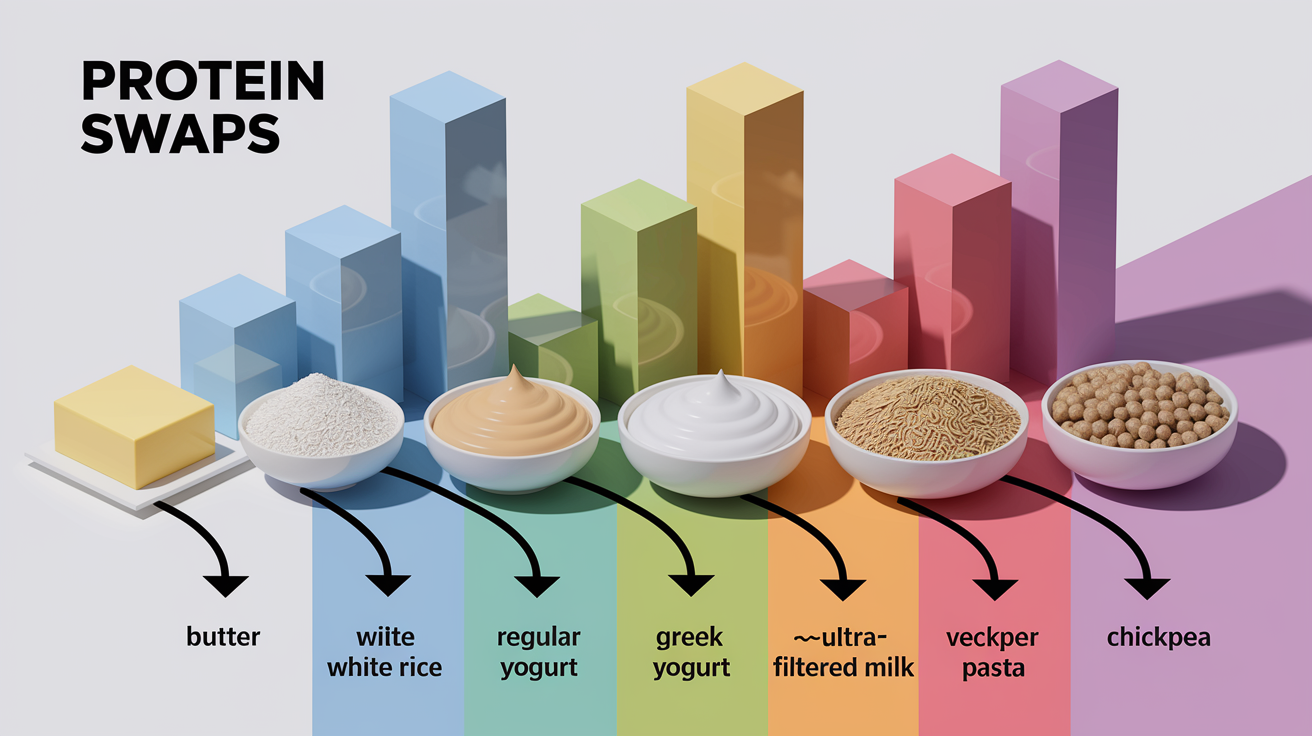
This chart shows the protein difference you gain when you swap a low-protein ingredient for a higher-protein version in the same portion size. Use it to plan meals or to check which swaps give you the most protein per serving.
| Food | Swap | Protein Gain Per Portion |
|---|---|---|
| Regular yogurt (1 serving) | Greek yogurt (1 serving) | +10 to 15 grams |
| Regular milk (1 cup) | Ultra-filtered milk (1 cup) | +5 grams |
| White rice (1 cup cooked) | Quinoa (1 cup cooked) | +2 to 4 grams |
| White rice (1 cup cooked) | Farro (1 cup cooked) | +6 to 8 grams |
| Regular pasta (1 serving) | Chickpea pasta (1 serving) | +7 to 12 grams |
| Potato chips (1 oz) | Almonds (1 oz, about 23 almonds) | +4 grams |
| Parmesan (1/4 cup) | Nutritional yeast (1/4 cup) | +4 grams |
Look at the chart and pick two or three swaps that fit meals you already eat. Make those swaps for a week and track how your energy and hunger change. If you feel steadier between meals, the higher protein is working.
Simple Strategies for Tracking and Maintaining Higher Protein Intake
Tracking protein doesn’t have to mean logging every bite. Start by learning how much protein is in one serving of the foods you eat most often. Greek yogurt is 15 to 20 grams. A cup of cooked quinoa is 8 grams. A half cup of beans is 6 to 8 grams. Once you know those numbers, you can estimate your daily total without an app.
Aim to include protein at every meal. Breakfast, lunch, and dinner should each deliver at least 20 to 30 grams if your goal is to stay full and support muscle. Spread your protein across the day instead of loading it all at dinner. Your body uses protein more efficiently when it arrives in steady amounts, not one large dose.
When you read labels, check for two things. First, a food is considered a good source of protein if it contains at least 10 grams per serving. Second, if a product claims “increased protein,” it must have 25% more protein than the original version. But that doesn’t guarantee it’s actually high in protein overall. A product that goes from 4 grams to 5 grams per serving meets the “increased protein” claim, but it’s still not a strong protein source.
Always check the total grams per serving, not just the claim on the front of the package.
- Learn the protein content of your five most-eaten foods and use those as anchors for quick daily estimates.
- Aim for at least 20 to 30 grams of protein per meal to support muscle and keep hunger steady between meals.
- Check nutrition labels for total grams of protein per serving, not just front-of-package claims like “high protein” or “protein-packed.”
- If you use plant-based milks, choose versions with at least 6 grams of protein per cup and fortified with calcium and vitamin B12 to match the nutrition profile of dairy milk.
Final Words
Use the swaps in this post today—small, high-impact changes you can do now. Start with one swap per meal and keep it simple.
We covered quick universal swaps, breakfast boosts, lunch grain upgrades, dinner protein upgrades, snack swaps, plant-based options, a quick-reference chart, and easy tracking strategies.
Pick one swap per meal this week and track it. These simple protein portion swaps to increase daily intake make adding grams simple and sustainable, with less cooking and more steady energy. You’ve got this.
FAQ
Q: What are easy swaps to get more protein? / How can I increase my daily intake of protein?
A: Easy swaps to get more protein and increase daily intake are: switch regular milk to ultra‑filtered milk (~13 g/cup), use Greek yogurt (15–20 g/serving), add beans or lentils, and use firm tofu or nuts.
Q: What is the 3 3 3 rule for eating?
A: The 3-3-3 rule for eating is a simple spacing and balance guide: eat every three hours, include protein at three main meals, and aim for three balanced components per meal (protein, carb, fat).
Q: Can you drink protein shakes while on Zepbound?
A: You can usually drink protein shakes while on Zepbound, but check with your prescriber first. Choose low‑sugar, high‑protein options, sip slowly if you feel nauseous, and track calories to fit your goals.